Doberman Pinscher vs Rottweiler
A side-by-side comparison to help you find the right breed for your lifestyle.
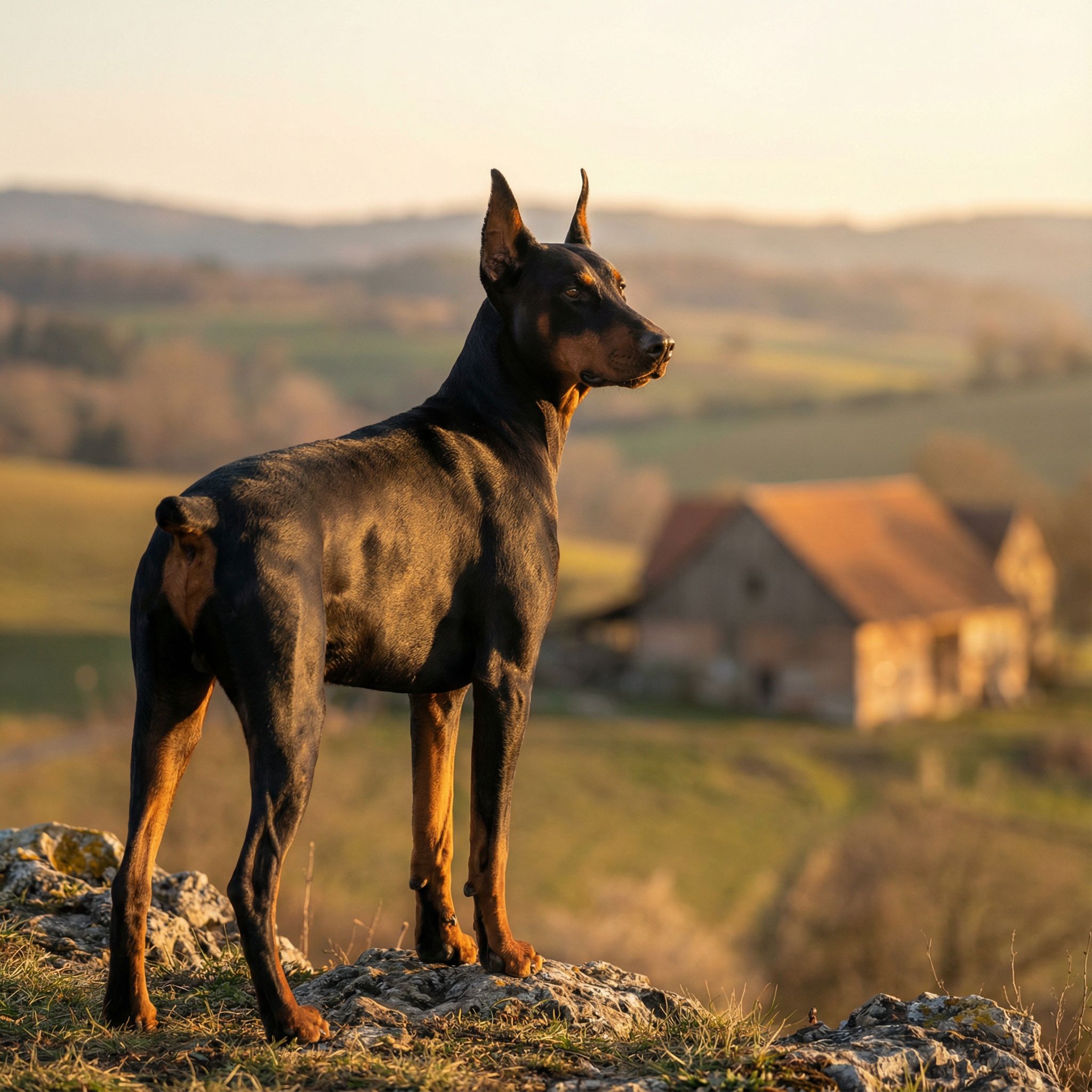
Doberman Pinscher
Also known as: Dobermann, Dobie, Doberman
The Doberman Pinscher is a masterpiece of canine engineering—sleek, powerful, and fiercely intelligent. Originally developed in Germany by tax collector Karl Friedrich Louis Dobermann for personal protection, they are hardwired to stay close to their handler and will physically intervene if they perceive a genuine threat. This is a 'lifestyle breed' requiring significant adjustments to your daily routine, budget, and living situation.
Large
High
10-13 (median 11.2) yrs
66-72 (male), 61-68 (female) cm
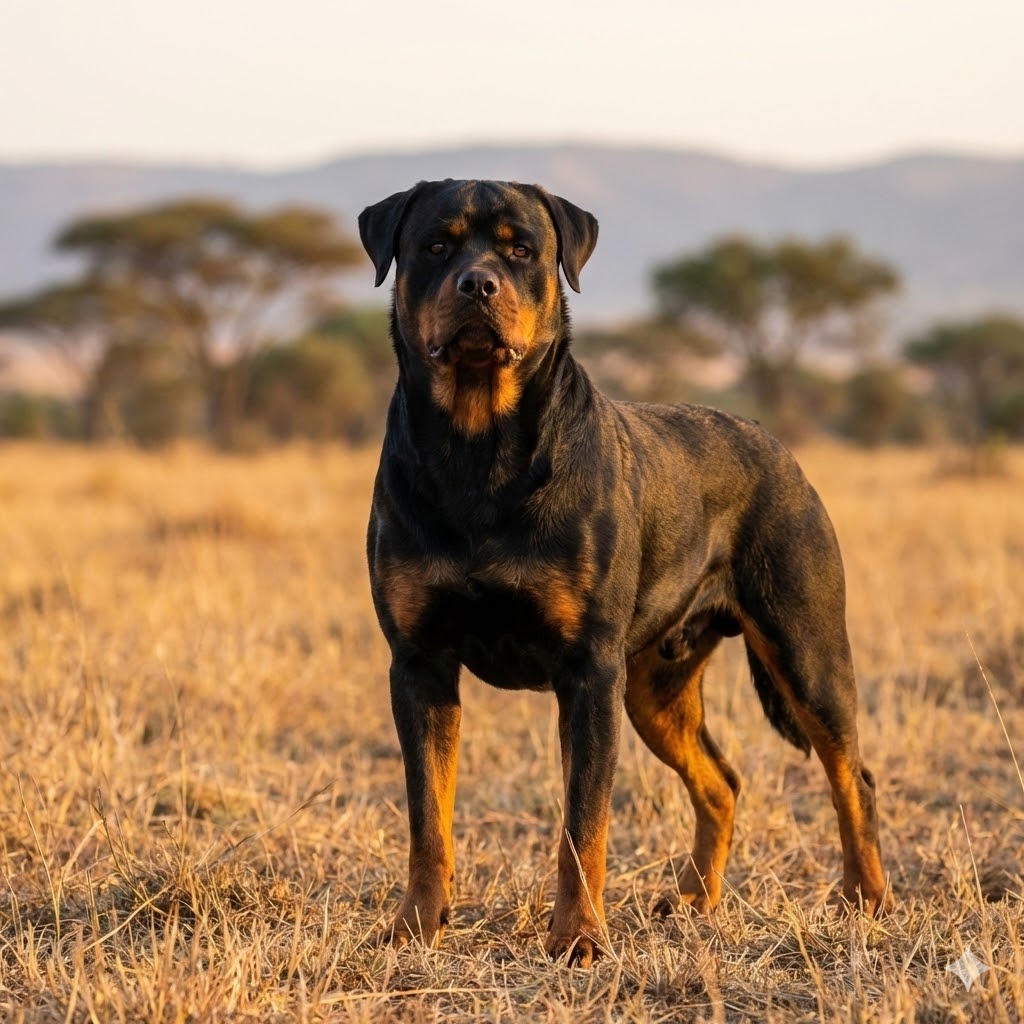
Rottweiler
Also known as: Treibhund, Metzgerhund
The Rottweiler is a robust and powerful dog breed known for its strength, loyalty, and protective nature, often used as a working dog in roles such as guarding and herding. With a confident and calm demeanor, Rottweilers are also affectionate companions, requiring proper training and socialization to thrive in family environments.
Large
High
8 - 10 yrs
56 - 68 cm
Quick Comparison
| Trait | Doberman Pinscher | Rottweiler |
|---|---|---|
| Energy | ||
| Trainability | ||
| Grooming Needs | ||
| Family Friendly | ||
| Independence |
Key Characteristics
| Good with Kids | ||
| Good with Dogs | ||
| Good with Cats | ||
| Hypoallergenic | ||
| Apartment Friendly | ||
| First-Time Owner OK |
| Detail | Doberman Pinscher | Rottweiler |
|---|---|---|
| Size | Large | Large |
| Energy Level | High | High |
| Grooming | Medium | Low |
| Trainability | Easy | Easy |
| Barking Level | Medium | Low |
| Shedding Level | Medium | High |
| Chew strength | Hard | Hard |
| Housing | Yard | Yard |
Owner Fit & Decision Guide
Owner Match
| Trait | Doberman Pinscher | Rottweiler |
|---|---|---|
| Experience Level | Advanced | Experienced |
| First-Time Owner | ||
| Ideal Owner | Experienced handler who understands canine body language, drive thresholds, and leadership. Works from home or can be present most of the day. Active lifestyle with time for 1.5-2 hours daily exercise. Financially prepared for cardiac monitoring and potential health emergencies. | Experienced, physically capable, emotionally stable handler who understands working-dog drives and provides clear, consistent boundary enforcement. |
Doberman Pinscher Dealbreakers
- Sedentary lifestyle
- Fearful of dogs (they will take charge)
- Cannot afford $150/month insurance or $5,000 emergency surgery
- Gone from home 8+ hours daily
- Multiple dogs of same sex in household
Rottweiler Dealbreakers
- Inconsistent or permissive handling
- Intimidation by large physical strength
- Lack of 1.5+ hours of daily engagement
- Rental housing with breed bans
Surrender Risk
| Factor | Doberman Pinscher | Rottweiler |
|---|---|---|
| Risk Level | Medium to High | High |
| Primary Reasons | Too much dog - energy and velcro attachment underestimated, Housing bans and insurance cancellation, Biting/aggression due to lack of socialization or harsh training | Inability of owner to manage 45-55 kg of physical pulling power, Development of unmanaged territorial or same-sex dog aggression around age 2, Landlord breed bans or insurance cancellation upon rental lease checks, High veterinary costs associated with orthopedic or oncological diagnoses |
Temperament & Personality
Behavior Comparison
| Trait | Doberman Pinscher | Rottweiler |
|---|---|---|
| Prey Drive | ||
| Watchdog Ability | ||
| Stranger Friendly | ||
| Drool Level | ||
| Wanderlust |
Vocalization
| Trait | Doberman Pinscher | Rottweiler |
|---|---|---|
| Barking Level | Medium | Low |
| Howling Tendency | ||
| Whining Tendency | Medium | N/A |
| Separation Vocalization |
Safety & Reliability
| Trait | Doberman Pinscher | Rottweiler |
|---|---|---|
| Escape Artist | ||
| Dog Park Suitable | ||
| Off-Leash Reliable | ||
| Small Animal Safe | ||
| Leash Reactivity | ||
| Resource Guarding Risk | Moderate | Moderate-High |
Doberman Pinscher Social Traits
High
Same-sex aggression is genetic - male/male households strongly discouraged
Rottweiler Social Traits
Reserved, polite indifference toward neutral strangers; watchful and aloof
Moderate to High (same-sex intolerance common past maturity)
Training
Doberman Pinscher
- They want to work WITH you - use high biddability
- Clear boundaries are essential - be a leader, not a dictator
- Never use harsh correction - it can ruin their temperament
- Critical socialization window is 8-16 weeks
Rottweiler
- Prioritize neutral socialization between weeks 8 and 16.
- Instill rapid impulse control and an immediate release ('out') command during play.
- Desensitize to mouth, ear, and paw handling during early puppyhood.
Doberman Pinscher Considerations
Dobermans, particularly males, are genetically predisposed to intolerance of other dogs of the same sex. This often manifests at sexual maturity (12-24 months) and is difficult, often impossible, to train out. Male/Male households are strongly discouraged.
Dobermans were bred to stay in close proximity to their handler. They struggle significantly with isolation and can become destructive or vocal if left alone for long periods. Not suitable for homes where everyone is gone 8+ hours a day.
Despite their tough appearance, Dobermans are emotionally 'soft.' They do not respond well to harsh correction and can become neurotic or fearful if treated unfairly.
Widely classified as a 'dangerous breed' by insurance companies and landlords. Many homeowners' insurance policies will cancel coverage or exclude liability. Frequently on rental 'banned breed' lists.
Rottweiler Considerations
Not novice friendly; unsuitable for inconsistent, permissive owners or individuals intimidated by physical strength.
Categorized as restricted/dangerous dog (Listenhund) in parts of Europe and US municipalities, frequently banned by rental landlords and homeowner insurance.
Handlers must manage 45-55 kg of physical pulling power and potential same-sex dog aggression.
Multi-Species Compatibility
| Species | Doberman Pinscher | Rottweiler |
|---|---|---|
| With Cats | Can coexist if raised together, but outdoor cats or squirrels are fair game. Caution advised. | Moderate - manageable if raised alongside them indoors; outdoor neighborhood cats will be chased |
| Small Mammals | Unsafe - high prey drive from Greyhound and Terrier ancestry | High risk - instinctual prey catch response |
| Birds / Reptiles | Unsafe - high prey drive | N/A |
Advanced Behavior
| Trait | Doberman Pinscher | Rottweiler |
|---|---|---|
| Predatory Sequence Risk | Full | High risk toward small animals and neighborhood cats |
| Biddability | High | High |
| Noise Sensitivity | Low | Low |
| Territorial Barking | ||
| Same-Sex Aggression Onset | 12 months | 18-24 |
Doberman Pinscher: Predatory sequence is FULL (Eye -> Stalk -> Chase -> Grab -> Kill) due to Terrier influence. They are problem solvers who will open doors, figure out latches, and manipulate situations. Ranked 5th smartest breed - will exploit weaknesses in leadership.
Rottweiler: High reactivity threshold to initiate response, but explosive physical force when triggered. Stand-and-assess / Fight default.
First Year & Life Stages
First Year Challenges
| Challenge | Doberman Pinscher | Rottweiler |
|---|---|---|
| Puppy Difficulty | ||
| Destructive Phase | 0-12 | N/A |
| House Training | Medium | N/A |
| Crate Training | High | N/A |
| Adolescent Regression |
Doberman Pinscher: Doberman puppies are intense - often called 'land sharks' due to mouthiness. If you choose cropped ears, you're signing up for months of taping and posting (until 6-9 months). Critical socialization window is 8-16 weeks.
Rottweiler: Strict ban on repetitive jumping, forced running, and stairs until growth plates close at 18-24 months. Bite inhibition training is an extreme urgency.
Life Stages Timeline
| Stage | Doberman Pinscher | Rottweiler |
|---|---|---|
| Puppy Phase | 12 months | 12 months |
| Adolescence | 12-24 | 12 - 24 months |
| Adult Years | 2-7 | 2.5 to 6.5 years |
| Senior Onset | ~7 years | ~6.5 years |
| Peak Energy Age | 1-3 years | N/A |
Size & Physical Characteristics
Physical Stats
| Measurement | Doberman Pinscher | Rottweiler |
|---|---|---|
| Height | 66-72 (male), 61-68 (female) cm | 56 - 68 cm |
| Weight | Not enough data yet | Not enough data yet |
| Size Category | Large | Large |
| Lifespan | N/A | 8–10 years |
| Litter Size | 6-10 | 8 |
Doberman Pinscher Coat
Rottweiler Coat
Lineage & Origin
| Detail | Doberman Pinscher | Rottweiler |
|---|---|---|
| Original Purpose | Personal protection of handler during tax collection | Cattle drover (Treibhund), draught/carting dog (Metzgerhund), estate and personal protection guardian |
| Origin | Apolda, Germany, late 19th century | Germany |
Breeding Details
| Detail | Doberman Pinscher | Rottweiler |
|---|---|---|
| C-Section Rate | 20-30% | 12-15% |
| Whelping Difficulty | Medium | Large puppy dystocia |
| Puppy Mortality Rate | Low | N/A |
Physical Risks
| Risk | Doberman Pinscher | Rottweiler |
|---|---|---|
| Bloat / GDV Risk | High | High |
| Slippery Floor Risk | Low | High (aggravates elbow arthrosis, hip dysplasia, and CCL tears) |
| Min Fence Height | 1.8m | 1.83m |
| Dig / Escape Risk | Low | Low |
Health & Common Conditions
Doberman Pinscher Health Issues
Rottweiler Health Issues
Doberman Pinscher Suggested Tests
- Annual Holter Monitor (24-hour ECG) starting at age 2
- Annual Echocardiogram starting at age 2
- Von Willebrand's Disease DNA test
- Hip Dysplasia (OFA)
- Thyroid evaluation
- Gastropexy surgery recommended for bloat prevention
Rottweiler Suggested Tests
- OFA / PennHIP Radiographic Evaluation for Hips (at or after 24 months)
- OFA Radiographic Evaluation for Elbows (at or after 24 months)
- Advanced Cardiac Examination by Board-Certified ACVIM Cardiologist (Echocardiogram with Doppler)
- JLPP DNA mutation marker test (mandatory for ARC / ADRK breeding stock)
- Annual ACVO Ophthalmic Exam
- Thyroid panel (free T4 by dialysis, cTSH, TgAA)
Health Risk Overview
| Risk Factor | Doberman Pinscher | Rottweiler |
|---|---|---|
| Cancer Risk | Medium | Very high |
| Cardiac Risk | High | Medium |
| Neurological Risk | Medium | Medium |
| CCL/ACL Tear Risk | Medium | High |
| Vet Burden Tier | High | Very high |
Sensitivities & Allergies
| Sensitivity | Doberman Pinscher | Rottweiler |
|---|---|---|
| Skin Allergies | ||
| Environmental Allergies | ||
| Stomach Sensitivity | Medium | High |
| Food Allergies | Grain sensitivities in some individuals | Chicken and chicken meal protein allergy, Diet-responsive food intolerance manifesting as loose stools |
Health Maintenance
| Care Item | Doberman Pinscher | Rottweiler |
|---|---|---|
| Nail Growth Rate | Fast | Normal |
| Eye Care Needs | Low | Low |
| Anal Gland Issues | Rare | N/A |
Senior Care & Aging
Doberman Pinscher Senior Care
Common Senior Issues
- Dilated Cardiomyopathy (DCM)
- Cancer
- Joint stiffness
- Wobbler Syndrome progression
Dobermans often age gracefully until they suddenly don't. DCM or cancer onset can lead to very rapid decline. Sudden death is the first symptom in 30% of DCM cases.
Rottweiler Senior Care
Common Senior Issues
- Severe osteoarthritis in elbows and hips
- Limb-sparing or amputation dilemmas due to osteosarcoma
- Cardiovascular decline (congestive heart failure secondary to DCM or SAS progression)
Provide non-slip floor runners, orthopedic memory foam beds, ramp access for vehicles, and joint nutraceuticals.
Grooming & Care
Doberman Pinscher
medium maintenanceRottweiler
low maintenanceLifestyle Compatibility
Doberman Pinscher Daily Life
Rottweiler Daily Life
Housing & Legal Restrictions
| Restriction | Doberman Pinscher | Rottweiler |
|---|---|---|
| BSL Restricted | ||
| Common Rental Ban | ||
| Insurance Blacklist | ||
| Weight Category | Over 50lbs | Large / 35-60 kg |
Climate Tolerance
| Climate | Doberman Pinscher | Rottweiler |
|---|---|---|
| Heat Tolerance | ||
| Cold Tolerance | ||
| Water Affinity | Low | Moderate |
Travel Compatibility
| Activity | Doberman Pinscher | Rottweiler |
|---|---|---|
| Car Travel | Good | High |
| Camping | ||
| Beach Friendly | ||
| Hiking Rating | ||
| Cabin Flight Eligible | ||
| Hotel Friendly Size |
Niche Suitability
| Role | Doberman Pinscher | Rottweiler |
|---|---|---|
| Service Dog | Medium | N/A |
| Therapy Dog | Low | Moderate (exceptional individuals with calm, steady temperaments; poor fit for excitable dogs) |
| Deep Pressure Therapy | ||
| Canicross / Bikejoring | ||
| Apartment Adaptable | ||
| Tactile / Sensory Friendly | ||
| Livestock Guardian | ||
| Medical Alert | Medium | N/A |
Costs & Expenses
Upfront Costs
| Cost | Doberman Pinscher | Rottweiler |
|---|---|---|
| Purchase Price | $2,500-4,000 | 1800 - 3500 |
| Initial Cost Range | $2,500–$4,000 | $1,800–$3,500 |
| Cost Tier |
Ongoing Costs
| Cost | Doberman Pinscher | Rottweiler |
|---|---|---|
| Monthly Range | $200–$320 | $160–$260 |
| Yearly Range | $2,400–$4,500 | $450–$800 |
| Food / Month | $80-120 | N/A |
| Insurance / Month | $100-160 | N/A |
| Grooming / Session | $40-60 | N/A |
| Vet Routine / Year | $800-1,500 | 450 - 800 |
| Monthly Cost Tier |
Doberman Pinscher Lifetime Cost
$25,000-75,000
Rottweiler Lifetime Cost
6000 - 15000 (reserves for TPLO surgery, cancer oncology, or bloat gastropexy)
Quirks & Fun Facts
Daily Quirks
| Quirk | Doberman Pinscher | Rottweiler |
|---|---|---|
| Snoring | ||
| Flatulence | Rare | N/A |
| Slobber Level | None | Copious viscous strings around food/water due to heavy pendulous flews |
| Smell When Wet | Mild | N/A |
| Zoomies Frequency | Daily | N/A |
| Counter Surfing | ||
| Digging Tendency | Low | N/A |
Doberman Pinscher Quirks
The Dobie Lean
Will lean their full body weight against your legs as affection
Nudging
Uses their long snout to nudge your hands for attention
Blanket Sucking
Some Dobermans suck on blankets or pillows (flank sucking) - a self-soothing behavior often linked to OCD or anxiety
Needle Hairs
While short, the hairs are stiff and can weave into fabrics like needles
Rottweiler Quirks
The Rottie Rumble
A low-frequency vibrating chest purr produced when experiencing deep affection, often mistaken for a menacing growl.
The Cattle Bump
Using massive muscular shoulders to physically bump or guide family members and other animals rather than biting.
The Head Drop
Planting their heavy skull squarely on an owner's lap or foot with full deadweight to enforce physical touch.
The Toy Parade
Greeting returning household members with a toy clenched firmly in the jaws while rumbling and swaying the entire hindquarters.
Frequently Asked Questions
Turn your dog into a brand deal.
Pet brands are looking for authentic creators — not celebrities. If you own a Doberman Pinscher or Rottweiler, you can land collabs — product, gear, and exclusive perks — for sharing your dog's life on Instagram.
No followers minimum · Free to join
Compare with Other Breeds
Compare Doberman Pinscher with:
Based on comprehensive breed research data.