German Shepherd Dog vs Weimaraner
A side-by-side comparison to help you find the right breed for your lifestyle.
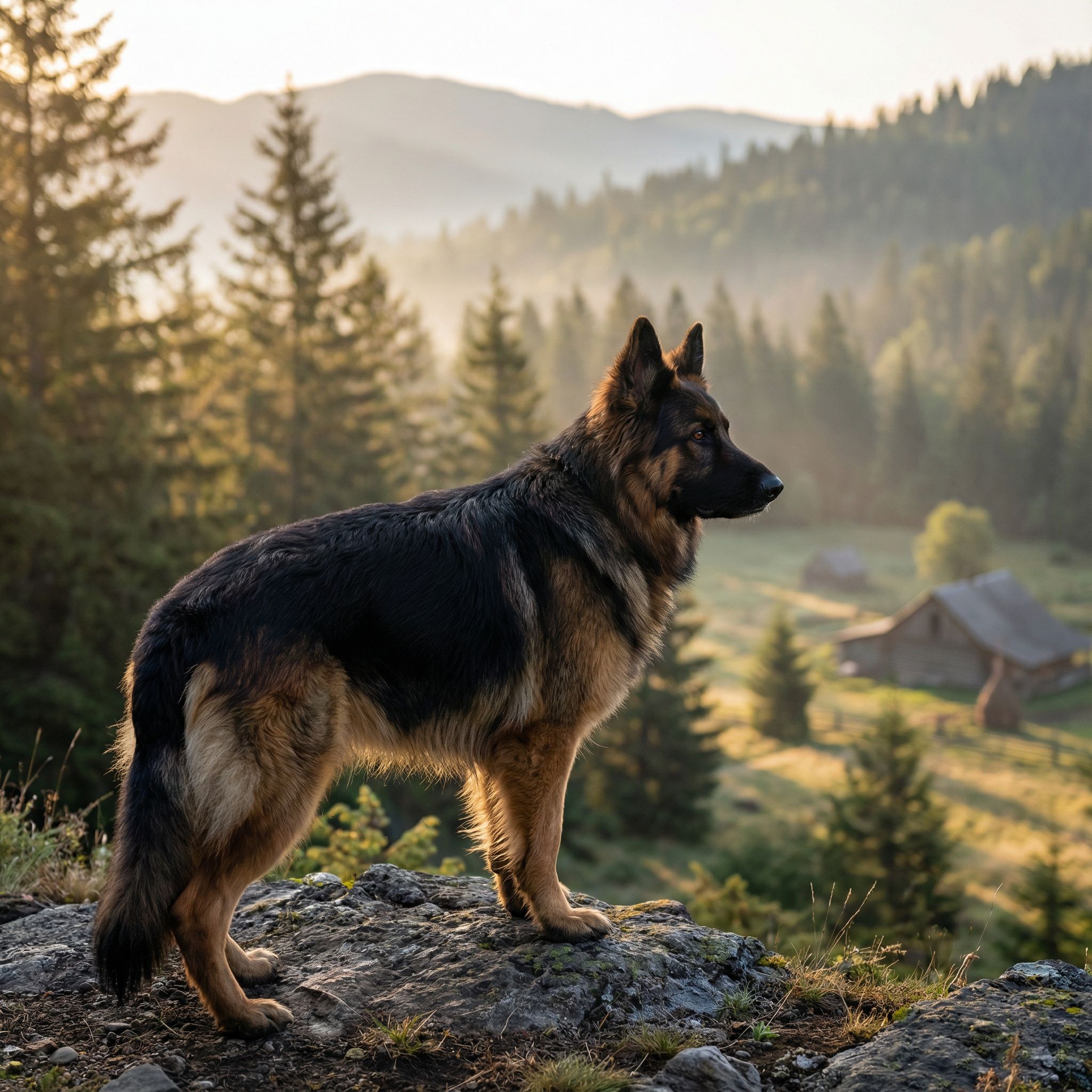
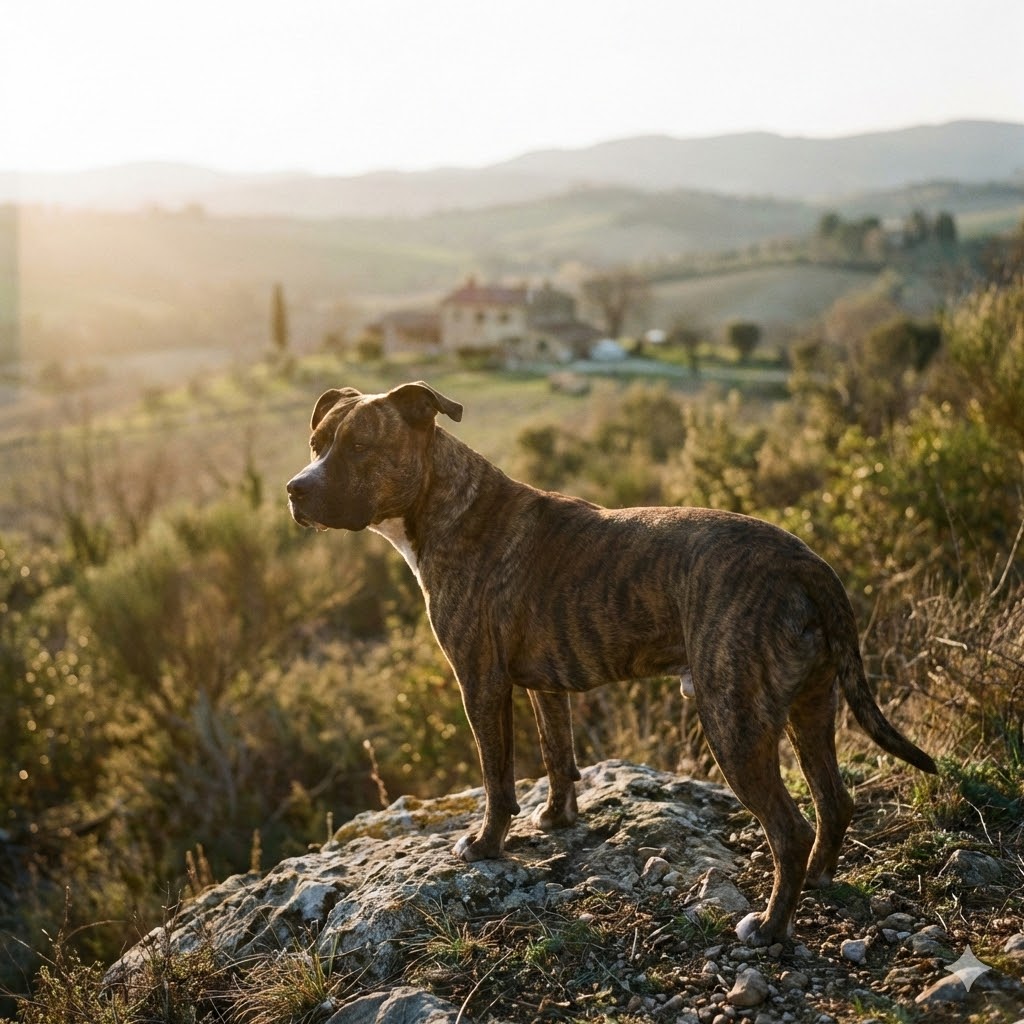
German Shepherd Dog
The German Shepherd Dog is a highly intelligent and versatile breed known for its loyalty, strength, and adaptability, making it an excellent working dog and family companion. Renowned for its protective nature and keen sense of duty, the breed excels in various roles, including police work, search and rescue, and assistance tasks.
Large
High
10-13 years yrs
N/A
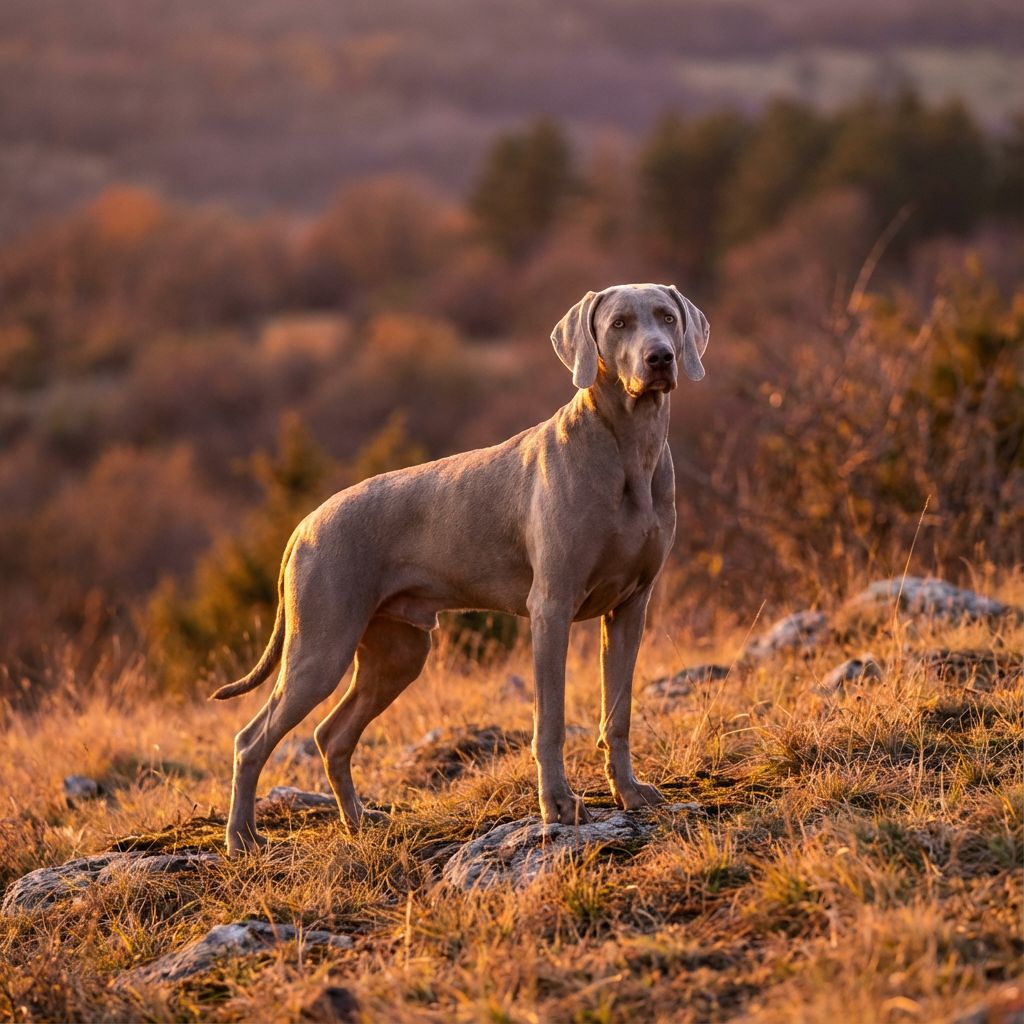
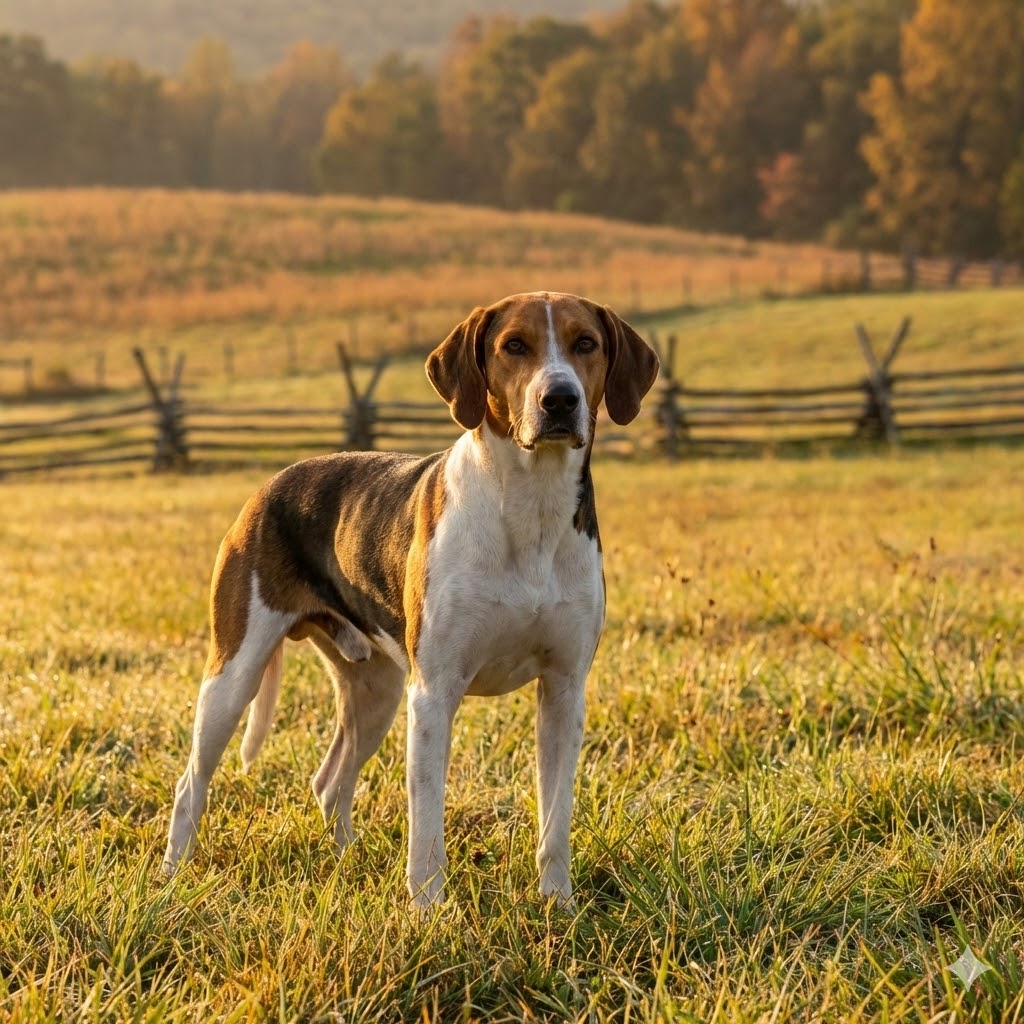
Weimaraner
The Weimaraner is a sleek and athletic dog breed known for its striking silver-gray coat and keen hunting abilities. Originating in Germany, these intelligent and energetic dogs make loyal companions but require ample exercise and mental stimulation to thrive.
Large
High
10-13 yrs
Not specified cm
Quick Comparison
| Trait | German Shepherd Dog | Weimaraner |
|---|---|---|
| Energy | ||
| Trainability | ||
| Grooming Needs | ||
| Family Friendly | ||
| Independence |
Key Characteristics
| Good with Kids | ||
| Good with Dogs | ||
| Good with Cats | ||
| Hypoallergenic | ||
| Apartment Friendly | ||
| First-Time Owner OK |
| Detail | German Shepherd Dog | Weimaraner |
|---|---|---|
| Size | Large | Large |
| Energy Level | High | High |
| Grooming | High | Low |
| Trainability | Easy | Moderate |
| Barking Level | High | High |
| Shedding Level | High | Medium |
| Chew strength | Hard | Moderate |
| Housing | Yard | Yard |
Owner Fit & Decision Guide
Owner Match
| Trait | German Shepherd Dog | Weimaraner |
|---|---|---|
| Experience Level | Beginner | Beginner |
| First-Time Owner | ||
| Ideal Owner | Active individual or family who can provide adequate exercise and training for a German Shepherd Dog. | Active individual or family who can provide adequate exercise and training for a Weimaraner. |
German Shepherd Dog Dealbreakers
- Cannot meet 90-120 min daily exercise
- Cannot tolerate heavy shedding
Weimaraner Dealbreakers
- Cannot meet 90-150 min daily exercise
- Cannot commit to grooming needs
Surrender Risk
| Factor | German Shepherd Dog | Weimaraner |
|---|---|---|
| Risk Level | Medium | Medium |
| Primary Reasons | Underestimated exercise needs, Behavioral challenges, Cost of care | Underestimated exercise needs, Behavioral challenges, Cost of care |
Temperament & Personality
Behavior Comparison
| Trait | German Shepherd Dog | Weimaraner |
|---|---|---|
| Prey Drive | ||
| Watchdog Ability | ||
| Stranger Friendly | ||
| Drool Level | ||
| Wanderlust |
Vocalization
| Trait | German Shepherd Dog | Weimaraner |
|---|---|---|
| Barking Level | High | High |
| Howling Tendency | ||
| Whining Tendency | Low | Low |
| Separation Vocalization |
Safety & Reliability
| Trait | German Shepherd Dog | Weimaraner |
|---|---|---|
| Escape Artist | ||
| Dog Park Suitable | ||
| Off-Leash Reliable | ||
| Small Animal Safe | ||
| Leash Reactivity | ||
| Resource Guarding Risk | Low | Low |
German Shepherd Dog Social Traits
Low
Selective
Weimaraner Social Traits
Low
Generally friendly
Training
German Shepherd Dog
- Keep training sessions short and varied
Weimaraner
- s:** They are sensitive dogs. Harsh punishment often backfires, causing them to shut down or become defensive. Positive reinforcement with clear boundaries works best [cite: 7, 34].
German Shepherd Dog Considerations
The GSD was bred to patrol boundaries and alert to changes in the environment. In a modern suburban context, this often manifests as leash reactivity or barrier frustration. Without confident leadership and extensive socialization, their natural suspicion of strangers can escalate into fear-based aggression.
GSDs are herding dogs with a high need for control. They often struggle in chaotic environments (like children's parties or dog parks) where they may attempt to nip heels or "police" movement to restore order.
This is a "Velcro" breed that bonds intensely with its handler. They are prone to severe separation anxiety, often resulting in destruction of drywall, doors, and furniture if left alone for long periods without conditioning.
While many GSDs live peacefully in packs, same-sex aggression—particularly between females—is a documented issue that often emerges at sexual maturity (12–24 months).
Weimaraner Considerations
This is the single most common reason for Weimaraner surrender. They are nicknamed "Velcro dogs" for a reason—they do not just want to be in the same room as you; they want to be touching you. Left alone, they can become destructive on an industrial scale, chewing through drywall, doors, and crates in a panic. They are generally unsuitable for households where everyone works away from home for 8 hours a day.
Bred to hunt boar, bear, and deer, and later birds, the Weimaraner possesses a sharp, non-negotiable prey drive. They are a significant risk to cats, rabbits, and small dogs. This drive is hardwired and often cannot be trained out, only managed.
Many Weimaraners exhibit a breed-specific behavior called "nooking," where they suckle on soft items like blankets or stuffed toys, often while kneading. While usually harmless self-soothing, it can lead to ingestion of foreign objects (pica), necessitating expensive surgery.
Unlike some breeds that settle down after a walk, a young Weimaraner may pace, whine, or demand attention if their mental and physical batteries aren't fully drained. They often lack a natural metabolic "off switch" indoors until they mature, which can take 2-4 years.
Multi-Species Compatibility
| Species | German Shepherd Dog | Weimaraner |
|---|---|---|
| With Cats | Generally safe with proper introduction | Caution - may chase |
| Small Mammals | Supervision required | Supervision required |
| Birds / Reptiles | Caution advised | Caution advised |
Advanced Behavior
| Trait | German Shepherd Dog | Weimaraner |
|---|---|---|
| Predatory Sequence Risk | Medium | Medium |
| Biddability | High | Low |
| Noise Sensitivity | Low | Low |
| Territorial Barking | ||
| Same-Sex Aggression Onset | 18 months | 18 months |
First Year & Life Stages
First Year Challenges
| Challenge | German Shepherd Dog | Weimaraner |
|---|---|---|
| Puppy Difficulty | ||
| Destructive Phase | 4-18 | 6-18 |
| House Training | Moderate | Moderate |
| Crate Training | Medium | Medium |
| Adolescent Regression |
German Shepherd Dog: German Shepherd Dog puppies require consistent training and patience.
Weimaraner: Weimaraner puppies require consistent training and patience.
Life Stages Timeline
| Stage | German Shepherd Dog | Weimaraner |
|---|---|---|
| Puppy Phase | 12 months | 12 months |
| Adolescence | 6-18 | 6-18 |
| Adult Years | 2-8 | 2-8 |
| Senior Onset | ~8 years | ~8 years |
| Peak Energy Age | 1-3 years | 1-3 years |
Size & Physical Characteristics
Physical Stats
| Measurement | German Shepherd Dog | Weimaraner |
|---|---|---|
| Height | N/A | Not specified cm |
| Weight | Not enough data yet | Not enough data yet |
| Size Category | Large | Large |
| Lifespan | 10–13 years | 10–13 years |
| Litter Size | 4-8 | 4-8 |
German Shepherd Dog Coat
Weimaraner Coat
Lineage & Origin
| Detail | German Shepherd Dog | Weimaraner |
|---|---|---|
| Original Purpose | conformation and milder temperament | big-game hunters for bear, boar, and deer |
| Origin | various German herding dogs | from the introduction of Weimaraner genes (the dilute 'd' gene) into Labrador li |
Breeding Details
| Detail | German Shepherd Dog | Weimaraner |
|---|---|---|
| C-Section Rate | Varies | Varies |
| Whelping Difficulty | Medium | Medium |
| Puppy Mortality Rate | Low | Low |
Physical Risks
| Risk | German Shepherd Dog | Weimaraner |
|---|---|---|
| Bloat / GDV Risk | Low | Low |
| Slippery Floor Risk | Low | Low |
| Min Fence Height | 1.5m | 1.5m |
| Dig / Escape Risk | Low | Low |
Health & Common Conditions
German Shepherd Dog Health Issues
Weimaraner Health Issues
German Shepherd Dog Suggested Tests
- Hip & Elbow scores (OFA/SV)
- DM DNA test
- Cardiac clearance
Weimaraner Suggested Tests
- Hip Dysplasia (OFA/PennHIP)
- Elbow Dysplasia
- Eye Certification (CAER)
- DNA test for SD
- DNA test for HYM
- DNA test for HUU (Hyperuricosuria)
Health Risk Overview
| Risk Factor | German Shepherd Dog | Weimaraner |
|---|---|---|
| Cancer Risk | Medium | Medium |
| Cardiac Risk | Low | Low |
| Neurological Risk | Low | Low |
| CCL/ACL Tear Risk | Low | Low |
| Vet Burden Tier | Medium | Medium |
Sensitivities & Allergies
| Sensitivity | German Shepherd Dog | Weimaraner |
|---|---|---|
| Skin Allergies | ||
| Environmental Allergies | ||
| Stomach Sensitivity | Low | Low |
| Food Allergies |
Health Maintenance
| Care Item | German Shepherd Dog | Weimaraner |
|---|---|---|
| Nail Growth Rate | Normal | Normal |
| Eye Care Needs | Low | Low |
| Anal Gland Issues | Occasional | Occasional |
Senior Care & Aging
German Shepherd Dog Senior Care
Common Senior Issues
- Arthritis
- Vision decline
- Cognitive changes
Senior care varies by individual health.
Weimaraner Senior Care
Common Senior Issues
- Arthritis
- Vision decline
- Cognitive changes
Senior care varies by individual health.
Grooming & Care
German Shepherd Dog
high maintenanceWeimaraner
low maintenanceLifestyle Compatibility
German Shepherd Dog Daily Life
Weimaraner Daily Life
Housing & Legal Restrictions
| Restriction | German Shepherd Dog | Weimaraner |
|---|---|---|
| BSL Restricted | ||
| Common Rental Ban | ||
| Insurance Blacklist | ||
| Weight Category | Under 50lbs | Under 50lbs |
Climate Tolerance
| Climate | German Shepherd Dog | Weimaraner |
|---|---|---|
| Heat Tolerance | ||
| Cold Tolerance | ||
| Water Affinity | Medium | Medium |
Travel Compatibility
| Activity | German Shepherd Dog | Weimaraner |
|---|---|---|
| Car Travel | Good | Good |
| Camping | ||
| Beach Friendly | ||
| Hiking Rating | ||
| Cabin Flight Eligible | ||
| Hotel Friendly Size |
Niche Suitability
| Role | German Shepherd Dog | Weimaraner |
|---|---|---|
| Service Dog | High | Low |
| Therapy Dog | Low | Low |
| Deep Pressure Therapy | ||
| Canicross / Bikejoring | ||
| Apartment Adaptable | ||
| Tactile / Sensory Friendly | ||
| Livestock Guardian | ||
| Medical Alert | Low | Low |
Costs & Expenses
Upfront Costs
| Cost | German Shepherd Dog | Weimaraner |
|---|---|---|
| Purchase Price | N/A | N/A |
| Initial Cost Range | $1,000–$2,500 | $1,000–$2,500 |
| Cost Tier |
Ongoing Costs
| Cost | German Shepherd Dog | Weimaraner |
|---|---|---|
| Monthly Range | $110–$220 | $140–$220 |
| Yearly Range | $1,320–$2,640 | $1,680–$2,640 |
| Food / Month | $60-120 | $80-120 |
| Insurance / Month | $50-100 | $60-100 |
| Grooming / Session | N/A | N/A |
| Vet Routine / Year | N/A | $300-600 |
| Monthly Cost Tier |
German Shepherd Dog Lifetime Cost
N/A
Weimaraner Lifetime Cost
N/A
Quirks & Fun Facts
Daily Quirks
| Quirk | German Shepherd Dog | Weimaraner |
|---|---|---|
| Snoring | ||
| Flatulence | Occasional | Occasional |
| Slobber Level | Low | Low |
| Smell When Wet | Moderate | Moderate |
| Zoomies Frequency | Occasional | Occasional |
| Counter Surfing | ||
| Digging Tendency | Low | Low |
Frequently Asked Questions
Turn your dog into a brand deal.
Pet brands are looking for authentic creators — not celebrities. If you own a German Shepherd Dog or Weimaraner, you can land collabs — product, gear, and exclusive perks — for sharing your dog's life on Instagram.
No followers minimum · Free to join
Compare with Other Breeds
Compare German Shepherd Dog with:
Based on comprehensive breed research data.