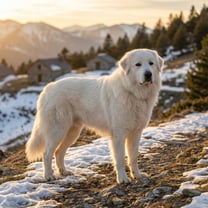
The Honest Truth
Before you fall in love, know what you're getting into.
The #1 complaint from suburban owners. Pyrs are genetically hardwired to patrol and bark at night - they were bred to ward off wolves and bears. This instinct cannot be trained out, only managed. Expect deep, booming barks at 2 AM when a leaf blows across the driveway.
Great Pyrenees do not believe in property lines. Without a secure 5-6 foot physical fence, they will expand their territory to include the entire neighborhood. They are notorious escape artists and will take the shock from invisible fences to pursue threats.
Adult Pyrs often exhibit severe aggression toward dogs of the same sex, particularly females. This usually manifests around social maturity (18-24 months). Opposite-sex pairs are generally recommended.
Pyrs are not dumb - they are independent. When called, they evaluate whether coming is more important than what they are currently doing (usually guarding). If they decide it isn't, they will ignore you completely.
Health Overview
View full health guide →Ownership Costs
View full breakdown →Includes food, insurance, vet visits, grooming, and supplies
Living Situation
With Other Pets
Climate & Seasonal Care
Winter is their happy season - may have to bribe them to come inside at -10F. Summer is danger season - walks early morning or late night only, pavement tests crucial. Blow coat heavily in spring/fall.
Breed Origins
Living With a Great Pyrenees
- Nocturnal barking - owners get a fluffy puppy that starts barking all night at 1 year old
- Roaming/escape - jumping fences to expand territory
- Resource guarding - growling over food scares families who expected Golden Retriever temperament
- Size underestimated - 120lb dog that refuses to move and may growl when asked to get off couch
Exercise Menu
40-60 min/dayLife Stages
Pyr puppies are large, stubborn land sharks. A 6-month-old is the size of a German Shepherd but has the brain of a toddler. Critical socialization window 8-16 weeks - must expose to strangers, other dogs, and strange noises or natural guarding instinct can turn into fear-aggression.
Peak energy age: 1-2 years
Prime years - energy stabilizes but remains active
Mobility slows around 8+ years. Arthritis management becomes primary focus. Ramps for cars and stairs become necessary.
First Year Reality Check
Travel & Adventure
Generally good car passengers - settle and watch out window. Large SUV or minivan necessary. Excellent campsite guardians but barking at woodland noises makes you unpopular with neighbors. Keep on leash for hikes - joints cannot handle repetitive high-impact stress.
Safety & Containment
Physical fence is non-negotiable. Will take shock from invisible fence to pursue threats. Dig massive craters to lie in cool dirt and can dig under fences. Never trust off-leash in unfenced area - instinct to expand territory overrides recall 99% of the time.
Breeding Information
Special Abilities
Training Guide
- Must convince them your request is worth their effort
- Harsh corrections cause shutdown or defensive behavior
- Focus on management over strict obedience
- Accept that recall will never be 100% reliable
- The 'Why' Factor - unlike Border Collies who ask 'What next?', Pyrs ask 'Why should I?'
- Recall - never trust off-leash in unfenced areas
- Stubborn independence - bred to make decisions without human guidance
Health Warning: Bloat Risk
Great Pyreneess are a deep-chested breed at HIGH risk for Gastric Dilatation-Volvulus (GDV/Bloat), a life-threatening emergency.
Community Insights
No Great Pyrenees insights yet
We're gathering data from real Great Pyrenees owners. Be the first to share your experience!
Register your Great PyreneesFeatured Great Pyreneess
Be the first Great Pyrenees creator!
No Great Pyreneess registered yet. Join Dogfluence and showcase your furry friend to brands.
Start creatingReal Great Pyrenees photos
View all Great Pyrenees photosNo published Great Pyrenees photos yet. Be the first to add yours to the free photo library.
Care Tips for Great Pyreneess
Provide a secure 5-6 foot physical fence - invisible fences do not work for this roaming breed.
Expect and manage nocturnal barking - this is an instinctual guarding behavior that cannot be trained out.
Brush several times weekly, daily during bi-annual coat blowing seasons (spring and fall).
Provide 40-60 minutes of moderate exercise daily through patrol-style walks rather than high-intensity activities.
Trim double dewclaws monthly - they have two extra toes on rear legs that don't wear down naturally.
Breed Characteristics
Great Pyrenees comparisons
More Great Pyrenees Resources
Great Pyrenees Costs
Calculate the true cost of ownership
Great Pyrenees Health
Common health issues & prevention
Great Pyrenees Grooming
Coat care & grooming tips
Great Pyrenees Food
Nutrition & diet recommendations
Great Pyrenees Temperament
Personality & behavior traits
Great Pyrenees Name Ideas
Find the perfect name for your Great Pyrenees
Great Pyrenees Hashtags
Top Instagram hashtags for Great Pyrenees posts
Not the Right Fit?


Frequently Asked Questions
Join as a Great Pyrenees Creator
Love your Great Pyrenees? Join thousands of dogfluencers and get sponsored by top pet brands!
Register my channel