Havanese vs Samoyed
A side-by-side comparison to help you find the right breed for your lifestyle.

Havanese
Also known as: Havana Silk Dog, Bichon Havanais, Cuban Bichon
The Havanese is a small, sturdy dog breed known for its friendly and affectionate nature, as well as its distinctive silky coat. Originating from Cuba, this breed is highly sociable and adaptable, making it a popular choice for families and urban dwellers alike.
Extra Small
Medium
14-16 yrs
23-28 cm
3.2-5.9 kg
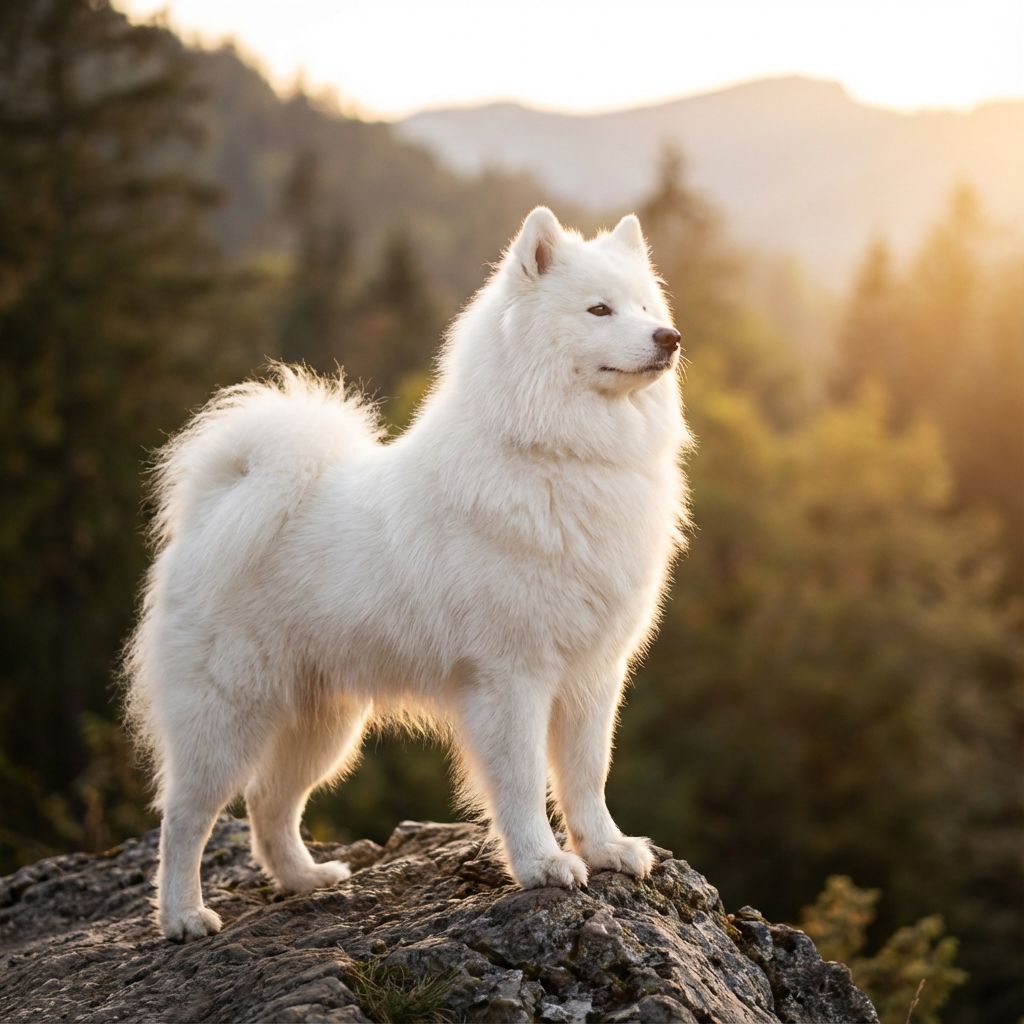
Samoyed
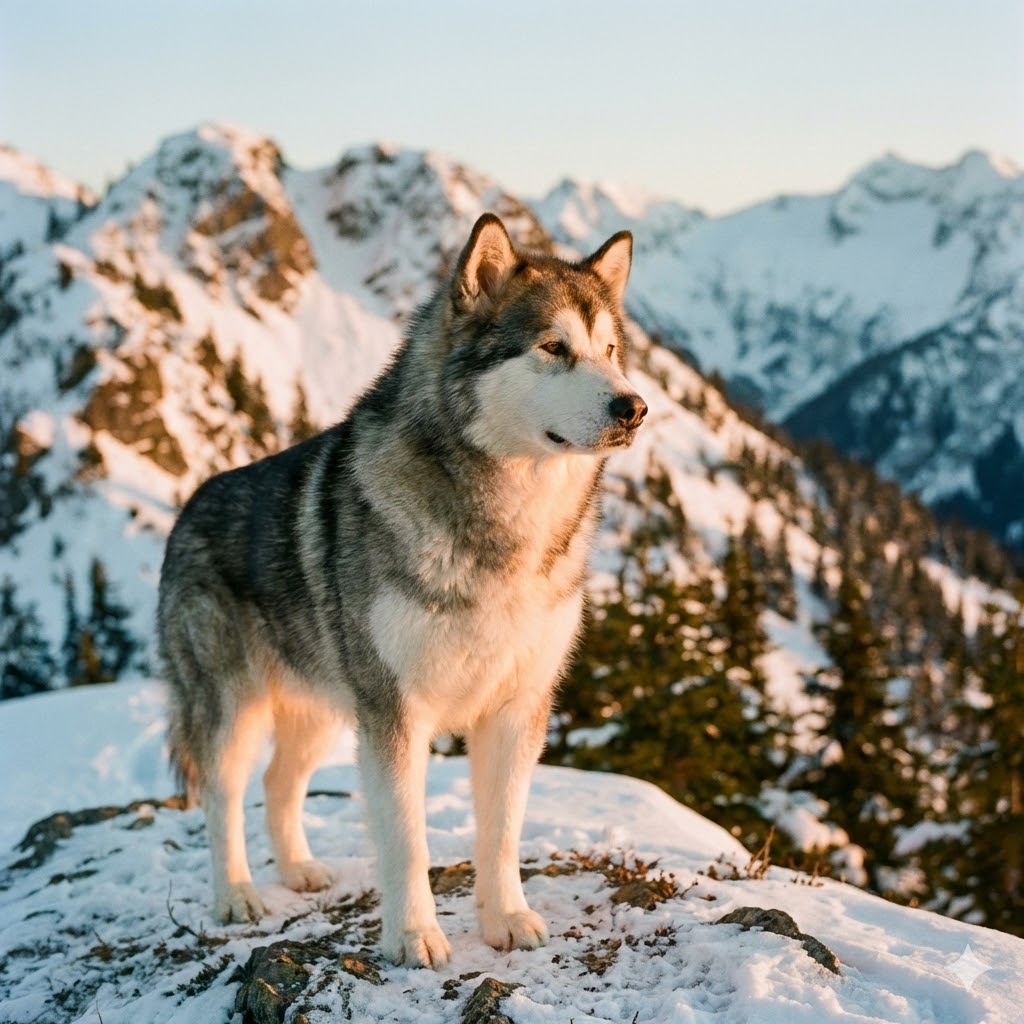
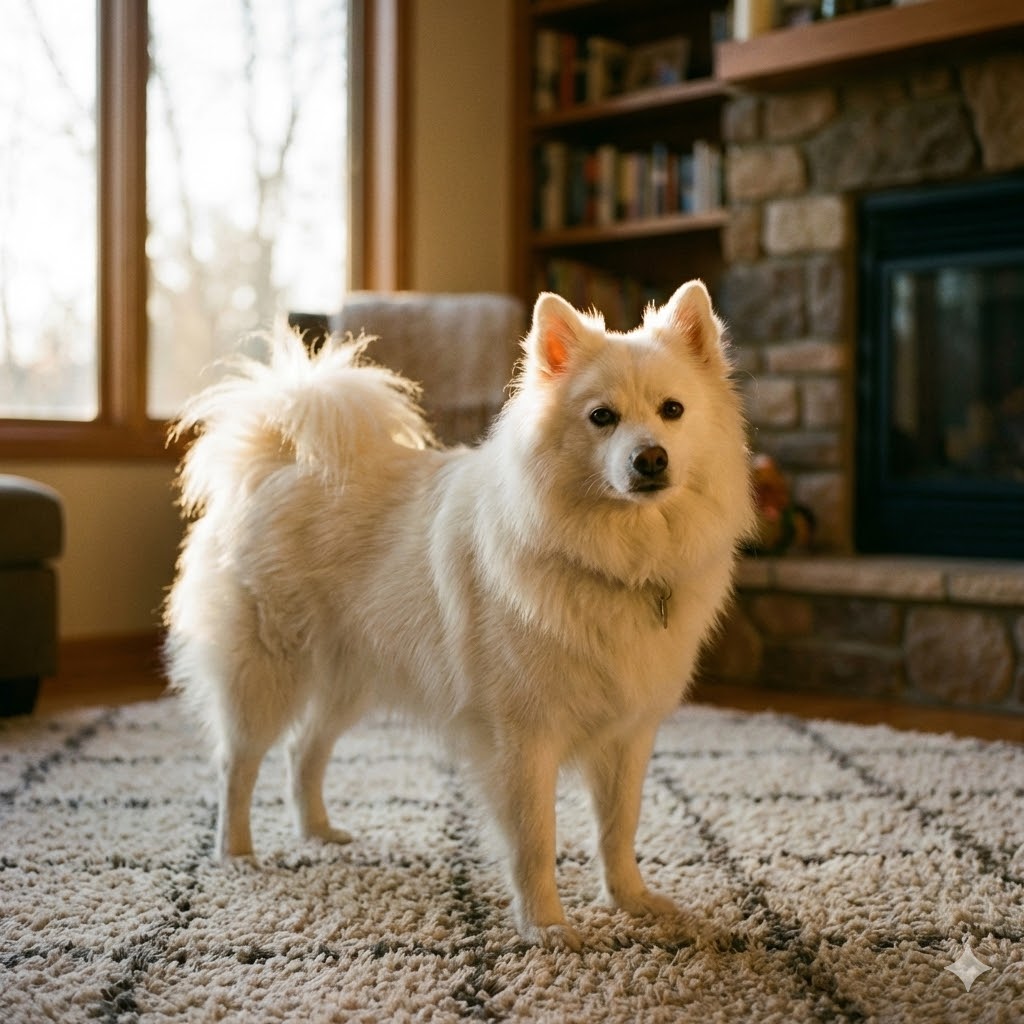
The Samoyed is a friendly and gentle dog breed known for its striking white, fluffy coat and perpetually smiling expression. Originating from Siberia, these intelligent and sociable dogs were traditionally used for herding reindeer and pulling sleds.
Large
High
10-12 yrs
N/A
Quick Comparison
| Trait | Havanese | Samoyed |
|---|---|---|
| Energy | ||
| Trainability | ||
| Grooming Needs | ||
| Family Friendly | ||
| Independence |
Key Characteristics
| Good with Kids | ||
| Good with Dogs | ||
| Good with Cats | ||
| Hypoallergenic | ||
| Apartment Friendly | ||
| First-Time Owner OK |
| Detail | Havanese | Samoyed |
|---|---|---|
| Size | Extra Small | Large |
| Energy Level | Medium | High |
| Grooming | High | High |
| Trainability | Easy | challenging |
| Barking Level | Medium | High |
| Shedding Level | Low | High |
| Chew strength | Light | Moderate |
| Housing | Apartment | Yard |
Owner Fit & Decision Guide
Owner Match
| Trait | Havanese | Samoyed |
|---|---|---|
| Experience Level | Beginner | Experienced |
| First-Time Owner | ||
| Ideal Owner | Someone who works from home or has flexible schedule. Willing to commit to grooming maintenance. Patient with housebreaking challenges. Looking for affectionate companion who wants to be with them 24/7. | Active individual or family who can provide adequate exercise and training for a Samoyed. |
Havanese Dealbreakers
- Work 8+ hours away from home daily
- Want a dog that lives outside
- Cannot afford professional grooming ($800+/year)
- Want a dog that is instantly potty trained
Samoyed Dealbreakers
- Cannot meet 60-90 min daily exercise
- Cannot tolerate heavy shedding
Surrender Risk
| Factor | Havanese | Samoyed |
|---|---|---|
| Risk Level | Low | Medium |
| Primary Reasons | Owner lifestyle change (divorce, moving, death), Housebreaking failure - people underestimate potty training commitment | Underestimated exercise needs, Behavioral challenges, Cost of care |
Temperament & Personality
Behavior Comparison
| Trait | Havanese | Samoyed |
|---|---|---|
| Prey Drive | ||
| Watchdog Ability | ||
| Stranger Friendly | ||
| Drool Level | ||
| Wanderlust |
Vocalization
| Trait | Havanese | Samoyed |
|---|---|---|
| Barking Level | Medium | High |
| Howling Tendency | ||
| Whining Tendency | Medium | Low |
| Separation Vocalization |
Safety & Reliability
| Trait | Havanese | Samoyed |
|---|---|---|
| Escape Artist | ||
| Dog Park Suitable | ||
| Off-Leash Reliable | ||
| Small Animal Safe | ||
| Leash Reactivity | ||
| Resource Guarding Risk | Low | Low |
Havanese Social Traits
Low
Low - generally loves other dogs
Samoyed Social Traits
Moderate
Generally friendly
Training
Havanese
- Use their high food drive and social drive for training
- Sensitivity means harsh corrections cause shutdown or submissive urination
- Consistency is key - don't let them get away with bad behavior just because they're small
Samoyed
- ** Positive reinforcement is mandatory. Harsh methods cause them to shut down or become defensive.
Havanese Considerations
Bred for centuries solely as companions to Cuban aristocracy - genetically wired to be with humans. Leaving them alone 8+ hours results in destructive chewing, excessive barking, and house soiling.
Notoriously slow to potty train. Small bladders and 'sneaky soiling' means they may not be fully reliable until 6-8 months old, sometimes older. Requires consistent positive reinforcement.
Excellent watchdogs who announce every delivery truck, neighbor, and squirrel. In apartments with thin walls, this requires dedicated training to manage.
Unless you learn to groom yourself, expect $60-100 every 4-6 weeks for professional grooming. That's $700-1,200 annually just for haircuts.
Samoyed Considerations
Samoyeds are extremely vocal. They do not just bark; they howl, woo-woo, yodel, and scream. This is not merely alert barking; it is recreational and communicative. They are notoriously poor candidates for apartments with noise restrictions or shared walls.
Bred to sleep in tents with their nomadic owners, Samoyeds have a low tolerance for isolation. They are "Velcro dogs" that can become destructive (digging, chewing drywall) if left alone for long periods. They are not suitable for households where everyone is gone for 8+ hours a day.
The shedding is relentless. "Blowing coat" occurs once or twice a year, where the undercoat comes out in massive clumps, filling trash bags. Between these events, daily shedding is standard. If you require a pristine, hair-free home, this breed is a dealbreaker.
Samoyeds are roamers. They will dig under or climb over fences to explore. They cannot be trusted off-leash in unfenced areas, as their recall is often overridden by curiosity or prey drive.
Multi-Species Compatibility
| Species | Havanese | Samoyed |
|---|---|---|
| With Cats | Excellent - generally great with cats | Caution - may chase |
| Small Mammals | Safe - low prey drive makes them one of safest breeds for rabbits and guinea pigs | Supervision required |
| Birds / Reptiles | Safe - generally lacks drive to harm, though always supervise | Caution advised |
Advanced Behavior
| Trait | Havanese | Samoyed |
|---|---|---|
| Predatory Sequence Risk | Arrested | Medium |
| Biddability | High | Low |
| Noise Sensitivity | Medium | Low |
| Territorial Barking | ||
| Same-Sex Aggression Onset | N/A | 18 months |
Havanese: May 'Eye' and 'Chase' for play but 'Grab-Bite' and 'Kill-Bite' largely absent. Safe with hamsters and birds if supervised. High biddability but can learn bad habits fast (like barking for attention).
First Year & Life Stages
First Year Challenges
| Challenge | Havanese | Samoyed |
|---|---|---|
| Puppy Difficulty | ||
| Destructive Phase | 4-12 | 6-18 |
| House Training | Hard | Challenging |
| Crate Training | Medium | Medium |
| Adolescent Regression |
Havanese: Sweet and generally non-destructive compared to larger breeds. Main challenge is housebreaking frustration - their 'tell' (sign they need to go) is subtle. Adolescent regression at 6-10 months coincides with 'blowing coat' phase where grooming becomes a nightmare.
Samoyed: Samoyed puppies require consistent training and patience.
Life Stages Timeline
| Stage | Havanese | Samoyed |
|---|---|---|
| Puppy Phase | 12 months | 12 months |
| Adolescence | 6-18 | 6-18 |
| Adult Years | 2-9 | 2-8 |
| Senior Onset | ~10 years | ~8 years |
| Peak Energy Age | 1-3 years | 1-3 years |
Size & Physical Characteristics
Physical Stats
| Measurement | Havanese | Samoyed |
|---|---|---|
| Height | 23-28 cm | N/A |
| Weight | Not enough data yet | Not enough data yet |
| Size Category | Extra Small | Large |
| Lifespan | 14–16 years | 10–12 years |
| Litter Size | 4-6 | 4-8 |
Havanese Coat
Samoyed Coat
Lineage & Origin
| Detail | Havanese | Samoyed |
|---|---|---|
| Original Purpose | Companion dog for Cuban aristocracy - bred to sit on laps, act as bed warmers, and entertain | The Samoyed originated with the Samoyede (Nenets) people of Siberia |
| Origin | Cuba, 18th-19th century (descended from Blanquito de la Habana and Bichon Tenerife) | with the Samoyede (Nenets) people of Siberia |
Breeding Details
| Detail | Havanese | Samoyed |
|---|---|---|
| C-Section Rate | Low | Varies |
| Whelping Difficulty | Easy | Medium |
| Puppy Mortality Rate | Low | Low |
Physical Risks
| Risk | Havanese | Samoyed |
|---|---|---|
| Bloat / GDV Risk | Low | Low |
| Slippery Floor Risk | Low | Low |
| Min Fence Height | 1m | 1.5m |
| Dig / Escape Risk | Low | Low |
Health & Common Conditions
Havanese Health Issues
Samoyed Health Issues
Havanese Suggested Tests
- Hip Evaluation (OFA)
- Patella Evaluation
- Ophthalmologist Evaluation (CAER)
- BAER Hearing Test
Samoyed Suggested Tests
- OFA Hips
- OFA Eyes (yearly)
- Cardiac Exam
- DNA test for RD/OSD
- DNA test for SHG
Health Risk Overview
| Risk Factor | Havanese | Samoyed |
|---|---|---|
| Cancer Risk | Low | Medium |
| Cardiac Risk | Medium | Low |
| Neurological Risk | Low | Low |
| CCL/ACL Tear Risk | Low | Low |
| Vet Burden Tier | Medium | Medium |
Sensitivities & Allergies
| Sensitivity | Havanese | Samoyed |
|---|---|---|
| Skin Allergies | ||
| Environmental Allergies | ||
| Stomach Sensitivity | Low | Low |
| Food Allergies |
Health Maintenance
| Care Item | Havanese | Samoyed |
|---|---|---|
| Nail Growth Rate | Normal | Normal |
| Eye Care Needs | High | Low |
| Anal Gland Issues | Occasional | Occasional |
Senior Care & Aging
Havanese Senior Care
Common Senior Issues
- Cataracts
- Heart murmurs (Mitral Valve Disease)
- Hearing loss
- Arthritis
Generally stay sharp mentally. Ramps for furniture recommended to protect backs and joints in senior years.
Samoyed Senior Care
Common Senior Issues
- Arthritis
- Vision decline
- Cognitive changes
Senior care varies by individual health.
Grooming & Care
Havanese
high maintenanceSamoyed
high maintenanceLifestyle Compatibility
Havanese Daily Life
Samoyed Daily Life
Housing & Legal Restrictions
| Restriction | Havanese | Samoyed |
|---|---|---|
| BSL Restricted | ||
| Common Rental Ban | ||
| Insurance Blacklist | ||
| Weight Category | Under 25lbs | Under 50lbs |
Climate Tolerance
| Climate | Havanese | Samoyed |
|---|---|---|
| Heat Tolerance | ||
| Cold Tolerance | ||
| Water Affinity | Medium | Medium |
Travel Compatibility
| Activity | Havanese | Samoyed |
|---|---|---|
| Car Travel | Excellent | Good |
| Camping | ||
| Beach Friendly | ||
| Hiking Rating | ||
| Cabin Flight Eligible | ||
| Hotel Friendly Size |
Niche Suitability
| Role | Havanese | Samoyed |
|---|---|---|
| Service Dog | Medium | Low |
| Therapy Dog | High | Low |
| Deep Pressure Therapy | ||
| Canicross / Bikejoring | ||
| Apartment Adaptable | ||
| Tactile / Sensory Friendly | ||
| Livestock Guardian | ||
| Medical Alert | Low | Low |
Costs & Expenses
Upfront Costs
| Cost | Havanese | Samoyed |
|---|---|---|
| Purchase Price | $1,500-3,500+ | N/A |
| Initial Cost Range | $1,500–$3,500 | $1,000–$2,500 |
| Cost Tier |
Ongoing Costs
| Cost | Havanese | Samoyed |
|---|---|---|
| Monthly Range | $100–$200 | $120–$200 |
| Yearly Range | $1,500–$2,500 | $1,440–$2,400 |
| Food / Month | $20-40 | $70-120 |
| Insurance / Month | $30-50 | $50-80 |
| Grooming / Session | $60-100 | $100-150 |
| Vet Routine / Year | $300-500 | $500-800 |
| Monthly Cost Tier |
Havanese Lifetime Cost
$20,000-35,000
Samoyed Lifetime Cost
N/A
Quirks & Fun Facts
Daily Quirks
| Quirk | Havanese | Samoyed |
|---|---|---|
| Snoring | ||
| Flatulence | Rare | Occasional |
| Slobber Level | None | Low |
| Smell When Wet | Mild | Moderate |
| Zoomies Frequency | Daily | Occasional |
| Counter Surfing | ||
| Digging Tendency | None | Low |
Havanese Quirks
Paper Shredding
Many Havanese love to shred tissues, toilet paper, and napkins - it's a common breed quirk
Perching Like a Cat
Often sit on backs of sofas or look out windows from high vantage points
Run Like Hell (RLH)
The Havanese version of zoomies - they tuck their butts and sprint in circles at high speed
Shadow Dog
Will follow you to the bathroom - they are true velcro dogs
Frequently Asked Questions
Turn your dog into a brand deal.
Pet brands are looking for authentic creators — not celebrities. If you own a Havanese or Samoyed, you can get free products, gear, and exclusive perks just for sharing your dog's life on Instagram.
No followers minimum · Free to join
Compare with Other Breeds
Based on comprehensive breed research data.