Jack Russell Terrier vs Labrador Retriever
A side-by-side comparison to help you find the right breed for your lifestyle.

Jack Russell Terrier
Also known as: JRT, Jack, Parson Russell Terrier (show variant), Russell Terrier (shorty)
The Jack Russell Terrier is a compact, athletic terrier originally developed for fox hunting in 19th-century England. Behind the cute appearance lies a high-octane hunting machine with relentless energy, intense prey drive, and an independent streak that challenges even experienced owners. This breed requires dedicated daily exercise and stimulation to thrive.
Small
High
12.7-16 yrs
25-38 cm

Labrador Retriever
The Labrador Retriever is a friendly and outgoing breed known for its intelligence, versatility, and strong retrieving instincts, making it a popular choice for families, service work, and as a loyal companion. Renowned for their gentle nature and eagerness to please, Labradors are highly trainable and thrive on human interaction and regular exercise.
Large
High
10-12 yrs
N/A
Quick Comparison
| Trait | Jack Russell Terrier | Labrador Retriever |
|---|---|---|
| Energy | ||
| Trainability | ||
| Grooming Needs | ||
| Family Friendly | ||
| Independence |
Key Characteristics
| Good with Kids | ||
| Good with Dogs | ||
| Good with Cats | ||
| Hypoallergenic | ||
| Apartment Friendly | ||
| First-Time Owner OK |
| Detail | Jack Russell Terrier | Labrador Retriever |
|---|---|---|
| Size | Small | Large |
| Energy Level | High | High |
| Grooming | High | Low |
| Trainability | challenging | Easy |
| Barking Level | High | Medium |
| Shedding Level | High | High |
| Chew strength | Moderate | Hard |
| Housing | Yard | Yard |
Owner Fit & Decision Guide
Owner Match
| Trait | Jack Russell Terrier | Labrador Retriever |
|---|---|---|
| Experience Level | Advanced | Beginner |
| First-Time Owner | ||
| Ideal Owner | Active individual or couple with secure fenced yard, experience with terrier temperaments, no small pets, willing to provide intense daily exercise and mental stimulation. Rural setting or large property ideal. | Active individual or family who can provide adequate exercise and training for a Labrador Retriever. |
Jack Russell Terrier Dealbreakers
- Sedentary lifestyle
- Apartment living without athletic dedication
- Own small pets (rabbits, hamsters, birds)
- Want a calm lapdog
- Cannot commit to 90+ minutes daily exercise
Labrador Retriever Dealbreakers
- Cannot meet 60-90 min daily exercise
- Cannot tolerate heavy shedding
Surrender Risk
| Factor | Jack Russell Terrier | Labrador Retriever |
|---|---|---|
| Risk Level | High | Medium |
| Primary Reasons | Behavioral issues (biting, aggression toward other animals), Energy level incompatibility - too much for most households, Cute puppy → high energy adolescent → destructive behavior → surrender at 1-2 years | Underestimated exercise needs, Behavioral challenges, Cost of care |
Temperament & Personality
Behavior Comparison
| Trait | Jack Russell Terrier | Labrador Retriever |
|---|---|---|
| Prey Drive | ||
| Watchdog Ability | ||
| Stranger Friendly | ||
| Drool Level | ||
| Wanderlust |
Vocalization
| Trait | Jack Russell Terrier | Labrador Retriever |
|---|---|---|
| Barking Level | High | Medium |
| Howling Tendency | ||
| Whining Tendency | High | Low |
| Separation Vocalization |
Safety & Reliability
| Trait | Jack Russell Terrier | Labrador Retriever |
|---|---|---|
| Escape Artist | ||
| Dog Park Suitable | ||
| Off-Leash Reliable | ||
| Small Animal Safe | ||
| Leash Reactivity | ||
| Resource Guarding Risk | Moderate to High | Low |
Jack Russell Terrier Social Traits
Low
High - same-sex aggression is major management issue; often exhibits Napoleon Syndrome challenging dogs ten times their size
Labrador Retriever Social Traits
Low
Generally friendly
Training
Jack Russell Terrier
- Keep sessions short, varied, and fun - they check out with repetition
- Use high-value food rewards - this is your primary training lever
- Off-leash activities only in securely fenced areas
- Channel prey drive into structured games like flirt pole
Labrador Retriever
- ** Positive reinforcement is highly effective. Labs are "foodies" (especially those with the POMC mutation) and will work tirelessly for kibble.
Jack Russell Terrier Considerations
Hardwired to hunt vermin and bolt foxes. Poses a lethal threat to hamsters, guinea pigs, rabbits, and birds. Most cannot be trusted with cats unless raised together from puppyhood.
Notorious for intolerance toward dogs of the same sex. Can coexist peacefully for years, then a sudden vicious fight requiring permanent separation. Typically manifests at 18-24 months.
When under-stimulated, will dismantle gardens or bark incessantly at falling leaves. This is the breed's work ethic manifesting without a job to do.
Can climb chain-link fences, dig under walls, and squeeze through impossibly small gaps. Standard backyard fencing is often insufficient containment.
Labrador Retriever Considerations
Labrador puppies are notoriously mouthy. Unlike the gentle nip of some breeds, Labs explore the world with their mouths and have a prolonged biting/mouthing phase that can last well into adolescence (6–18 months). This can be terrifying for young children and frustrating for owners.
A bored Labrador is a demolition machine. Their powerful jaws, bred to carry game birds, can easily destroy drywall, sofas, and solid wood furniture if their mental and physical needs are not met. This is not "bad behavior"; it is a displacement activity for an under-stimulated working dog.
Labradors mature slowly. They often retain a boisterous, puppy-like energy and lack of impulse control until they are 3 or 4 years old. Owners expecting a calm "Old Yeller" type dog at age one are often shocked by the reality of a 70lb dog with the brain of a toddler.
This is not a breed for people who want personal space. Labs are prone to separation anxiety if left alone for long periods. They are cooperative workers who need to be with their "pack."
Multi-Species Compatibility
| Species | Jack Russell Terrier | Labrador Retriever |
|---|---|---|
| With Cats | Generally unsafe - prey drive makes them a risk; some raised with cats from puppyhood may tolerate them, but a running cat triggers chase-to-kill sequence | Generally safe with proper introduction |
| Small Mammals | Unsafe - bred to kill rodents; a hamster in a cage is torment to a JRT | Supervision required |
| Birds / Reptiles | Unsafe - movement triggers predatory reflex instantly | Caution advised |
Advanced Behavior
| Trait | Jack Russell Terrier | Labrador Retriever |
|---|---|---|
| Predatory Sequence Risk | Full | Medium |
| Biddability | Low | High |
| Noise Sensitivity | Low | Low |
| Territorial Barking | ||
| Same-Sex Aggression Onset | 20 months | 18 months |
Jack Russell Terrier: Complete predatory sequence: Orient -> Eye -> Stalk -> Chase -> Grab-Bite -> Kill-Bite. Unlike Border Collie (arrested at Chase), JRT completes the sequence - dangerous to small animals. High intelligence but low biddability - asks 'what's in it for me?' rather than eager to please.
First Year & Life Stages
First Year Challenges
| Challenge | Jack Russell Terrier | Labrador Retriever |
|---|---|---|
| Puppy Difficulty | ||
| Destructive Phase | 6-24 | 6-10 |
| House Training | Medium | Moderate |
| Crate Training | High | Medium |
| Adolescent Regression |
Jack Russell Terrier: Unlike a Golden who might chew a shoe, a JRT puppy is a relentless motion machine that bites, chases, and digs. Requires constant supervision. Crate training essential to save baseboards and furniture.
Labrador Retriever: Labrador Retriever puppies require consistent training and patience.
Life Stages Timeline
| Stage | Jack Russell Terrier | Labrador Retriever |
|---|---|---|
| Puppy Phase | 12 months | 12 months |
| Adolescence | 12-24 | 6-18 |
| Adult Years | 2-9 | 2-8 |
| Senior Onset | ~10 years | ~8 years |
| Peak Energy Age | 1-3 years | 1-3 years |
Size & Physical Characteristics
Physical Stats
| Measurement | Jack Russell Terrier | Labrador Retriever |
|---|---|---|
| Height | 25-38 cm | N/A |
| Weight | Not enough data yet | Not enough data yet |
| Size Category | Small | Large |
| Lifespan | 13–16 years | 10–12 years |
| Litter Size | 5-6 | 4-8 |
Jack Russell Terrier Coat
Labrador Retriever Coat
Lineage & Origin
| Detail | Jack Russell Terrier | Labrador Retriever |
|---|---|---|
| Original Purpose | Bolting foxes from dens and hunting vermin; bred for tenacity and voice (barking at quarry) | Originating not in Labrador, but Newfoundland, Canada, these dogs were the fisherman's mate |
| Origin | Devon, England, mid-1800s by Reverend John 'Jack' Russell | not in Labrador |
Breeding Details
| Detail | Jack Russell Terrier | Labrador Retriever |
|---|---|---|
| C-Section Rate | Low | Varies |
| Whelping Difficulty | Easy | Medium |
| Puppy Mortality Rate | Low | Low |
Physical Risks
| Risk | Jack Russell Terrier | Labrador Retriever |
|---|---|---|
| Bloat / GDV Risk | Low | Low |
| Slippery Floor Risk | Low | Low |
| Min Fence Height | 1.8m | 1.5m |
| Dig / Escape Risk | High | Low |
Health & Common Conditions
Jack Russell Terrier Health Issues
Labrador Retriever Health Issues
Jack Russell Terrier Suggested Tests
- PLL (ADAMTS17) DNA test
- SCA (Spinocerebellar Ataxia) DNA test
- LOA (Late Onset Ataxia) DNA test
- BAER hearing test
- Patellar evaluation
- Ophthalmologist evaluation
Labrador Retriever Suggested Tests
- OFA Hip & Elbow evaluations
- Genetic testing for EIC
- Genetic testing for CNM
- Genetic testing for PRA
Health Risk Overview
| Risk Factor | Jack Russell Terrier | Labrador Retriever |
|---|---|---|
| Cancer Risk | Low | Medium |
| Cardiac Risk | Low | Low |
| Neurological Risk | Medium | Low |
| CCL/ACL Tear Risk | Low | Low |
| Vet Burden Tier | Medium | Medium |
Sensitivities & Allergies
| Sensitivity | Jack Russell Terrier | Labrador Retriever |
|---|---|---|
| Skin Allergies | ||
| Environmental Allergies | ||
| Stomach Sensitivity | Low | Low |
| Food Allergies | Grains |
Health Maintenance
| Care Item | Jack Russell Terrier | Labrador Retriever |
|---|---|---|
| Nail Growth Rate | Fast | Normal |
| Eye Care Needs | High | Low |
| Anal Gland Issues | Rare | Occasional |
Senior Care & Aging
Jack Russell Terrier Senior Care
Common Senior Issues
- Deafness (especially linked to white pigmentation)
- Vision loss (cataracts, PLL complications)
- Arthritis from lifetime of high-impact activity
Slowing down at 10+ but mental sharpness often remains. One of the longest-lived breeds - 12.7 year average with many reaching 16+.
Labrador Retriever Senior Care
Common Senior Issues
- Arthritis
- Vision decline
- Cognitive changes
Senior care varies by individual health.
Grooming & Care
Jack Russell Terrier
high maintenanceLabrador Retriever
low maintenanceLifestyle Compatibility
Jack Russell Terrier Daily Life
Labrador Retriever Daily Life
Housing & Legal Restrictions
| Restriction | Jack Russell Terrier | Labrador Retriever |
|---|---|---|
| BSL Restricted | ||
| Common Rental Ban | ||
| Insurance Blacklist | ||
| Weight Category | Under 25lbs | Under 50lbs |
Climate Tolerance
| Climate | Jack Russell Terrier | Labrador Retriever |
|---|---|---|
| Heat Tolerance | ||
| Cold Tolerance | ||
| Water Affinity | Medium | Medium |
Travel Compatibility
| Activity | Jack Russell Terrier | Labrador Retriever |
|---|---|---|
| Car Travel | Good | Good |
| Camping | ||
| Beach Friendly | ||
| Hiking Rating | ||
| Cabin Flight Eligible | ||
| Hotel Friendly Size |
Niche Suitability
| Role | Jack Russell Terrier | Labrador Retriever |
|---|---|---|
| Service Dog | Low | High |
| Therapy Dog | Low | Low |
| Deep Pressure Therapy | ||
| Canicross / Bikejoring | ||
| Apartment Adaptable | ||
| Tactile / Sensory Friendly | ||
| Livestock Guardian | ||
| Medical Alert | Low | Low |
Costs & Expenses
Upfront Costs
| Cost | Jack Russell Terrier | Labrador Retriever |
|---|---|---|
| Purchase Price | $800-2,500 | N/A |
| Initial Cost Range | $800–$2,500 | $1,000–$2,500 |
| Cost Tier |
Ongoing Costs
| Cost | Jack Russell Terrier | Labrador Retriever |
|---|---|---|
| Monthly Range | $80–$150 | $110–$190 |
| Yearly Range | $960–$1,800 | $1,320–$2,280 |
| Food / Month | $30-50 | $60-100 |
| Insurance / Month | $30-50 | $50-90 |
| Grooming / Session | $40-60 | N/A |
| Vet Routine / Year | $500-800 | $300-600 |
| Monthly Cost Tier |
Jack Russell Terrier Lifetime Cost
$15,000-25,000
Labrador Retriever Lifetime Cost
N/A
Quirks & Fun Facts
Daily Quirks
| Quirk | Jack Russell Terrier | Labrador Retriever |
|---|---|---|
| Snoring | ||
| Flatulence | Rare | Occasional |
| Slobber Level | None | Low |
| Smell When Wet | Mild | Moderate |
| Zoomies Frequency | Daily | Occasional |
| Counter Surfing | ||
| Digging Tendency | High | Low |
Jack Russell Terrier Quirks
Excavation Expert
Will excavate gardens hunting for moles - provide a designated dig pit to save roses
Furniture Parkour
Daily zoomies often involve parkour off furniture, walls, and people
Excitement Trembling
Often trembles when excited or anticipating a hunt - not cold, just intense
Frequently Asked Questions
Turn your dog into a brand deal.
Pet brands are looking for authentic creators — not celebrities. If you own a Jack Russell Terrier or Labrador Retriever, you can land collabs — product, gear, and exclusive perks — for sharing your dog's life on Instagram.
No followers minimum · Free to join
Compare with Other Breeds
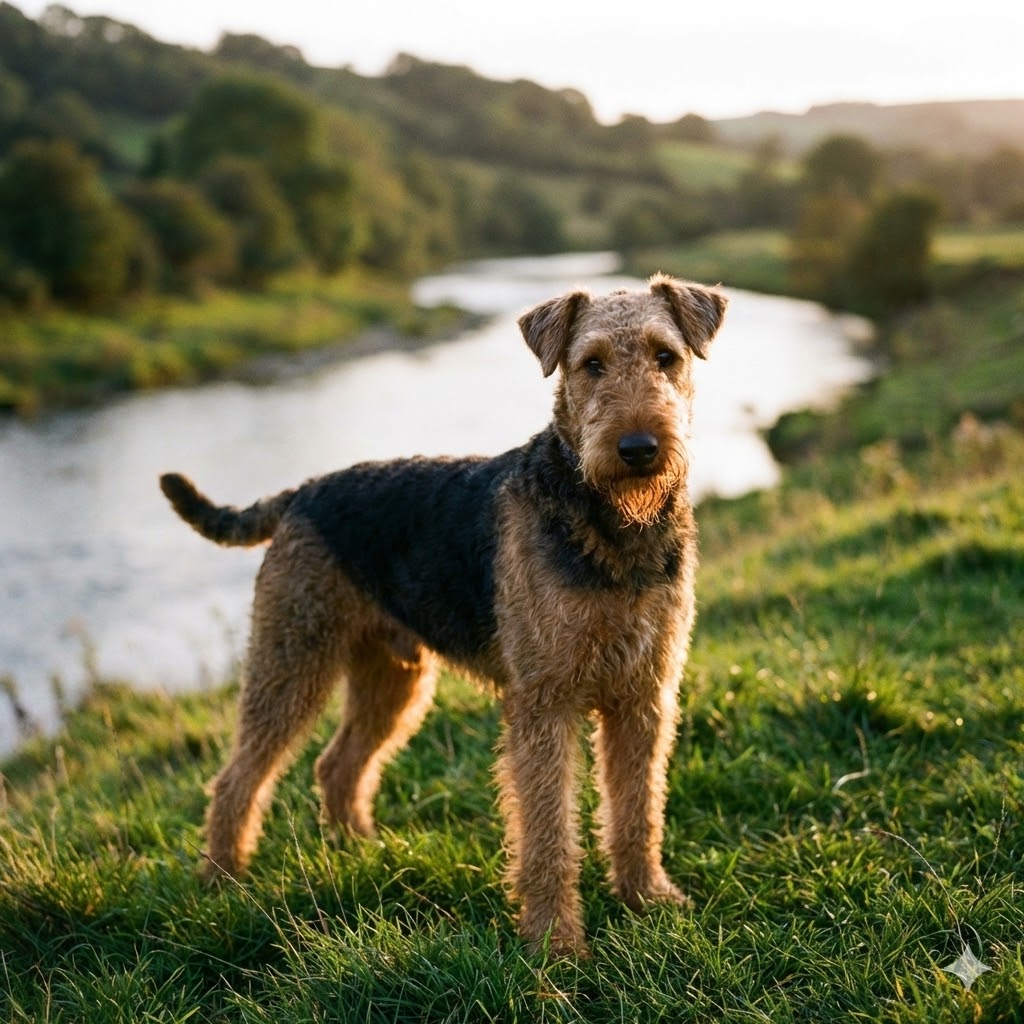
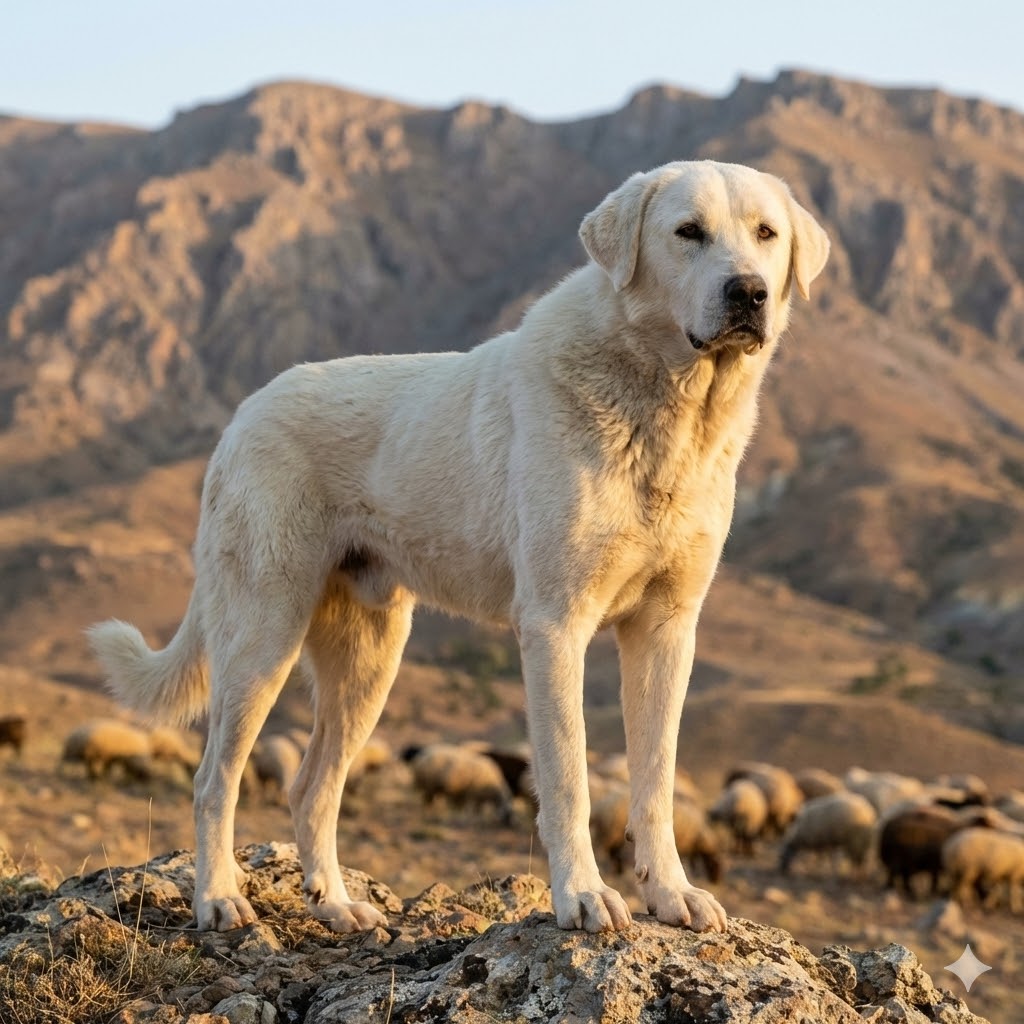
Compare Jack Russell Terrier with:
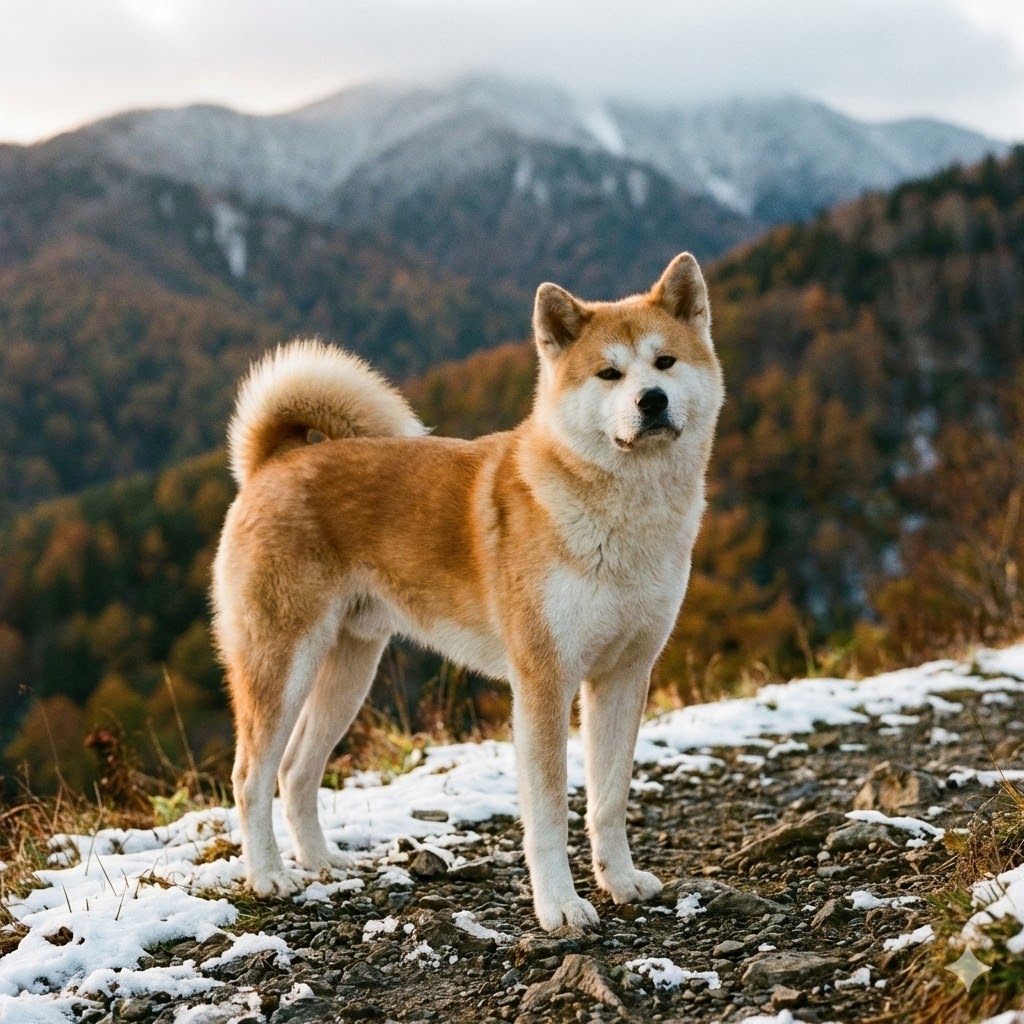
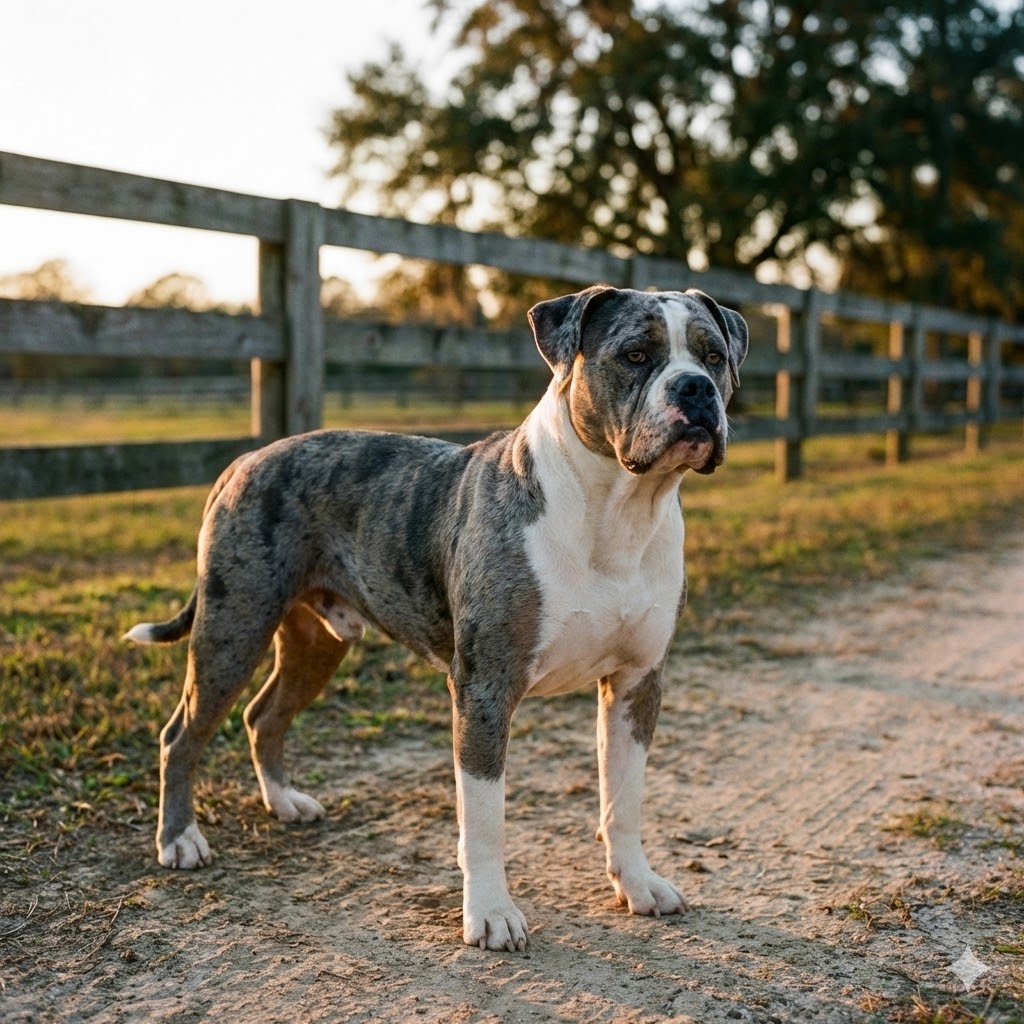
Compare Labrador Retriever with:
Based on comprehensive breed research data.
View Jack Russell Terrier profile·View Labrador Retriever profile