Labrador Retriever vs Pembroke Welsh Corgi
A side-by-side comparison to help you find the right breed for your lifestyle.

Labrador Retriever
The Labrador Retriever is a friendly and outgoing breed known for its intelligence, versatility, and strong retrieving instincts, making it a popular choice for families, service work, and as a loyal companion. Renowned for their gentle nature and eagerness to please, Labradors are highly trainable and thrive on human interaction and regular exercise.
Large
High
10-12 yrs
N/A

Pembroke Welsh Corgi
Also known as: Corgi, PWC, Pembroke, Welsh Corgi
The Pembroke Welsh Corgi is a sturdy herding breed with distinctive short legs and a fox-like face. Don't let the cute loaf shape fool you - beneath the fluff lies a tough, bossy cattle herder with high energy and a powerful bark. Originally bred to move cattle by nipping at heels, Corgis retain strong herding instincts and require dedicated training to channel their intelligence and energy.
Medium
High
12-15 yrs
25-30 cm
10-14 kg
Quick Comparison
| Trait | Labrador Retriever | Pembroke Welsh Corgi |
|---|---|---|
| Energy | ||
| Trainability | ||
| Grooming Needs | ||
| Family Friendly | ||
| Independence |
Key Characteristics
| Good with Kids | ||
| Good with Dogs | ||
| Good with Cats | ||
| Hypoallergenic | ||
| Apartment Friendly | ||
| First-Time Owner OK |
| Detail | Labrador Retriever | Pembroke Welsh Corgi |
|---|---|---|
| Size | Large | Medium |
| Energy Level | High | High |
| Grooming | Low | Medium |
| Trainability | Easy | Moderate |
| Barking Level | Medium | High |
| Shedding Level | High | High |
| Chew strength | Hard | Moderate |
| Housing | Yard | Apartment |
Owner Fit & Decision Guide
Owner Match
| Trait | Labrador Retriever | Pembroke Welsh Corgi |
|---|---|---|
| Experience Level | Beginner | Beginner (active and firm) |
| First-Time Owner | ||
| Ideal Owner | Active individual or family who can provide adequate exercise and training for a Labrador Retriever. | Active owner who wants a big dog personality in a small package. Firm but fair trainer who won't let cuteness excuse bad behavior. Prepared for shedding, barking, and vet bills. |
Labrador Retriever Dealbreakers
- Cannot meet 60-90 min daily exercise
- Cannot tolerate heavy shedding
Pembroke Welsh Corgi Dealbreakers
- Sedentary lifestyle
- Noise sensitivity (you or neighbors)
- Living in 3+ floor walk-up (bad for backs long-term)
- Cannot afford $3,000+ emergency fund for IVDD
Surrender Risk
| Factor | Labrador Retriever | Pembroke Welsh Corgi |
|---|---|---|
| Risk Level | Medium | Medium |
| Primary Reasons | Underestimated exercise needs, Behavioral challenges, Cost of care | Nipping children - parents underestimate herding instinct, Neighbor complaints about barking, Inability to afford IVDD surgery ($3,000-8,000) |
Temperament & Personality
Behavior Comparison
| Trait | Labrador Retriever | Pembroke Welsh Corgi |
|---|---|---|
| Prey Drive | ||
| Watchdog Ability | ||
| Stranger Friendly | ||
| Drool Level | ||
| Wanderlust |
Vocalization
| Trait | Labrador Retriever | Pembroke Welsh Corgi |
|---|---|---|
| Barking Level | Medium | High |
| Howling Tendency | ||
| Whining Tendency | Low | Medium |
| Separation Vocalization |
Safety & Reliability
| Trait | Labrador Retriever | Pembroke Welsh Corgi |
|---|---|---|
| Escape Artist | ||
| Dog Park Suitable | ||
| Off-Leash Reliable | ||
| Small Animal Safe | ||
| Leash Reactivity | ||
| Resource Guarding Risk | Low | Moderate |
Labrador Retriever Social Traits
Low
Generally friendly
Pembroke Welsh Corgi Social Traits
Moderate
Bossy with other dogs, same-sex aggression possible at maturity (12-24 months)
Training
Labrador Retriever
- ** Positive reinforcement is highly effective. Labs are "foodies" (especially those with the POMC mutation) and will work tirelessly for kibble.
Pembroke Welsh Corgi
- Keep sessions short and fun - they bore quickly
- Use their extreme food motivation to your advantage
- Address nipping immediately - redirect to toys, not hands
- Socialize extensively to prevent bossiness and reactivity
Labrador Retriever Considerations
Labrador puppies are notoriously mouthy. Unlike the gentle nip of some breeds, Labs explore the world with their mouths and have a prolonged biting/mouthing phase that can last well into adolescence (6–18 months). This can be terrifying for young children and frustrating for owners.
A bored Labrador is a demolition machine. Their powerful jaws, bred to carry game birds, can easily destroy drywall, sofas, and solid wood furniture if their mental and physical needs are not met. This is not "bad behavior"; it is a displacement activity for an under-stimulated working dog.
Labradors mature slowly. They often retain a boisterous, puppy-like energy and lack of impulse control until they are 3 or 4 years old. Owners expecting a calm "Old Yeller" type dog at age one are often shocked by the reality of a 70lb dog with the brain of a toddler.
This is not a breed for people who want personal space. Labs are prone to separation anxiety if left alone for long periods. They are cooperative workers who need to be with their "pack."
Pembroke Welsh Corgi Considerations
Bred to control cattle with barks and nips, Corgis will announce every delivery truck, passerby, and leaf. High-pitched, persistent barking can lead to neighbor complaints and eviction in apartments.
Genetically hardwired to control movement by nipping heels. In homes, this means chasing and nipping running children or other pets. Not aggressive, but frightening for toddlers.
Intelligent but independent thinkers who ask 'What's in it for me?' They can be manipulative and will run the household if owners are passive.
Velcro dogs that bond intensely. Left alone without training, they become destructive and vocal. Tolerate 4-6 hours max if exercised.
Multi-Species Compatibility
| Species | Labrador Retriever | Pembroke Welsh Corgi |
|---|---|---|
| With Cats | Generally safe with proper introduction | Good with confident cats who stand their ground - may try to herd rather than harm |
| Small Mammals | Supervision required | Moderate - high prey drive for moving objects, supervision required |
| Birds / Reptiles | Caution advised | Low/Moderate - curious and may harass |
Advanced Behavior
| Trait | Labrador Retriever | Pembroke Welsh Corgi |
|---|---|---|
| Predatory Sequence Risk | Medium | Arrested at Nip |
| Biddability | High | Medium |
| Noise Sensitivity | Low | Low |
| Territorial Barking | ||
| Same-Sex Aggression Onset | 18 months | 18 months |
Pembroke Welsh Corgi: Predatory sequence: Eye → Stalk → Chase → Nip. The 'kill' bite is inhibited but the nip is prominent - this is why they nip heels. High intelligence but medium biddability - they learn fast but ask 'What's in it for me?'
First Year & Life Stages
First Year Challenges
| Challenge | Labrador Retriever | Pembroke Welsh Corgi |
|---|---|---|
| Puppy Difficulty | ||
| Destructive Phase | 6-10 | 6-12 |
| House Training | Moderate | Moderate |
| Crate Training | Medium | High |
| Adolescent Regression |
Labrador Retriever: Labrador Retriever puppies require consistent training and patience.
Pembroke Welsh Corgi: Known as 'land sharks' - the nipping phase is intense and prolonged due to herding genetics. Will chase pant legs and nip ankles. Socialization critical to prevent bossiness and reactivity.
Life Stages Timeline
| Stage | Labrador Retriever | Pembroke Welsh Corgi |
|---|---|---|
| Puppy Phase | 12 months | 12 months |
| Adolescence | 6-18 | 6-18 |
| Adult Years | 2-8 | 2-8 |
| Senior Onset | ~8 years | ~9 years |
| Peak Energy Age | 1-3 years | 1-4 years |
Size & Physical Characteristics
Physical Stats
| Measurement | Labrador Retriever | Pembroke Welsh Corgi |
|---|---|---|
| Height | N/A | 25-30 cm |
| Weight | Not enough data yet | Not enough data yet |
| Size Category | Large | Medium |
| Lifespan | 10–12 years | 12–15 years |
| Litter Size | 4-8 | 6-7 |
Labrador Retriever Coat
Pembroke Welsh Corgi Coat
Lineage & Origin
| Detail | Labrador Retriever | Pembroke Welsh Corgi |
|---|---|---|
| Original Purpose | Originating not in Labrador, but Newfoundland, Canada, these dogs were the fisherman's mate | Cattle herding (heeler) - ducking under kicks and nipping heels to drive herds |
| Origin | not in Labrador | Pembrokeshire, Wales - bred as farm dogs for centuries |
Breeding Details
| Detail | Labrador Retriever | Pembroke Welsh Corgi |
|---|---|---|
| C-Section Rate | Varies | Low-Moderate |
| Whelping Difficulty | Medium | Easy |
| Puppy Mortality Rate | Low | Low |
Physical Risks
| Risk | Labrador Retriever | Pembroke Welsh Corgi |
|---|---|---|
| Bloat / GDV Risk | Low | Low |
| Slippery Floor Risk | Low | High |
| Min Fence Height | 1.5m | 1.2m |
| Dig / Escape Risk | Low | Low |
Health & Common Conditions
Labrador Retriever Health Issues
Pembroke Welsh Corgi Health Issues
Labrador Retriever Suggested Tests
- OFA Hip & Elbow evaluations
- Genetic testing for EIC
- Genetic testing for CNM
- Genetic testing for PRA
Pembroke Welsh Corgi Suggested Tests
- DM genetic test
- vWD genetic test
- EIC genetic test
- Hip evaluation
- Eye exam (CERF)
Health Risk Overview
| Risk Factor | Labrador Retriever | Pembroke Welsh Corgi |
|---|---|---|
| Cancer Risk | Medium | Low |
| Cardiac Risk | Low | Low |
| Neurological Risk | Low | High |
| CCL/ACL Tear Risk | Low | Low |
| Vet Burden Tier | Medium | Medium-High |
Sensitivities & Allergies
| Sensitivity | Labrador Retriever | Pembroke Welsh Corgi |
|---|---|---|
| Skin Allergies | ||
| Environmental Allergies | ||
| Stomach Sensitivity | Low | Low |
| Food Allergies | Chicken, Grains |
Health Maintenance
| Care Item | Labrador Retriever | Pembroke Welsh Corgi |
|---|---|---|
| Nail Growth Rate | Normal | Fast |
| Eye Care Needs | Low | Low |
| Anal Gland Issues | Occasional | Occasional |
Senior Care & Aging
Labrador Retriever Senior Care
Common Senior Issues
- Arthritis
- Vision decline
- Cognitive changes
Senior care varies by individual health.
Pembroke Welsh Corgi Senior Care
Common Senior Issues
- Hind-end weakness (DM or IVDD)
- Arthritis
- Spinal degeneration
- Obesity-related complications
Many senior Corgis need wheelchairs to maintain quality of life if DM or IVDD progresses. Ramps become essential. Keeping them lean their whole life is the best prevention.
Grooming & Care
Labrador Retriever
low maintenancePembroke Welsh Corgi
medium maintenanceLifestyle Compatibility
Labrador Retriever Daily Life
Pembroke Welsh Corgi Daily Life
Housing & Legal Restrictions
| Restriction | Labrador Retriever | Pembroke Welsh Corgi |
|---|---|---|
| BSL Restricted | ||
| Common Rental Ban | ||
| Insurance Blacklist | ||
| Weight Category | Under 50lbs | 25-50lbs |
Climate Tolerance
| Climate | Labrador Retriever | Pembroke Welsh Corgi |
|---|---|---|
| Heat Tolerance | ||
| Cold Tolerance | ||
| Water Affinity | Medium | Moderate |
Travel Compatibility
| Activity | Labrador Retriever | Pembroke Welsh Corgi |
|---|---|---|
| Car Travel | Good | Good |
| Camping | ||
| Beach Friendly | ||
| Hiking Rating | ||
| Cabin Flight Eligible | ||
| Hotel Friendly Size |
Niche Suitability
| Role | Labrador Retriever | Pembroke Welsh Corgi |
|---|---|---|
| Service Dog | High | Medium |
| Therapy Dog | Low | Medium |
| Deep Pressure Therapy | ||
| Canicross / Bikejoring | ||
| Apartment Adaptable | ||
| Tactile / Sensory Friendly | ||
| Livestock Guardian | ||
| Medical Alert | Low | Medium |
Costs & Expenses
Upfront Costs
| Cost | Labrador Retriever | Pembroke Welsh Corgi |
|---|---|---|
| Purchase Price | N/A | $1,000-3,000 |
| Initial Cost Range | $1,000–$2,500 | $1,000–$3,000 |
| Cost Tier |
Ongoing Costs
| Cost | Labrador Retriever | Pembroke Welsh Corgi |
|---|---|---|
| Monthly Range | $110–$190 | $100–$180 |
| Yearly Range | $1,320–$2,280 | $1,500–$2,500 |
| Food / Month | $60-100 | $30-50 |
| Insurance / Month | $50-90 | $40-70 |
| Grooming / Session | N/A | $50-80 |
| Vet Routine / Year | $300-600 | $200-500 |
| Monthly Cost Tier |
Labrador Retriever Lifetime Cost
N/A
Pembroke Welsh Corgi Lifetime Cost
$20,000-50,000
Quirks & Fun Facts
Daily Quirks
| Quirk | Labrador Retriever | Pembroke Welsh Corgi |
|---|---|---|
| Snoring | ||
| Flatulence | Occasional | Occasional |
| Slobber Level | Low | None |
| Smell When Wet | Moderate | Moderate |
| Zoomies Frequency | Occasional | Daily |
| Counter Surfing | ||
| Digging Tendency | Low | Low |
Pembroke Welsh Corgi Quirks
Splooting
Lying flat on belly with legs stretched out behind - signature Corgi pose
Frapping/Zoomies
Frenetic Random Activity Periods - tucking butts and running in circles at high speed
Fun Police
Will bark at and try to break up rough play between other pets or humans - herding instinct to control chaos
Corgi Glitter
Shed fur gets everywhere - you will eat hair, wear hair, and sleep in hair. Year-round shedding with two massive 'coat blows'
Frequently Asked Questions
Turn your dog into a brand deal.
Pet brands are looking for authentic creators — not celebrities. If you own a Labrador Retriever or Pembroke Welsh Corgi, you can land collabs — product, gear, and exclusive perks — for sharing your dog's life on Instagram.
No followers minimum · Free to join
Compare with Other Breeds
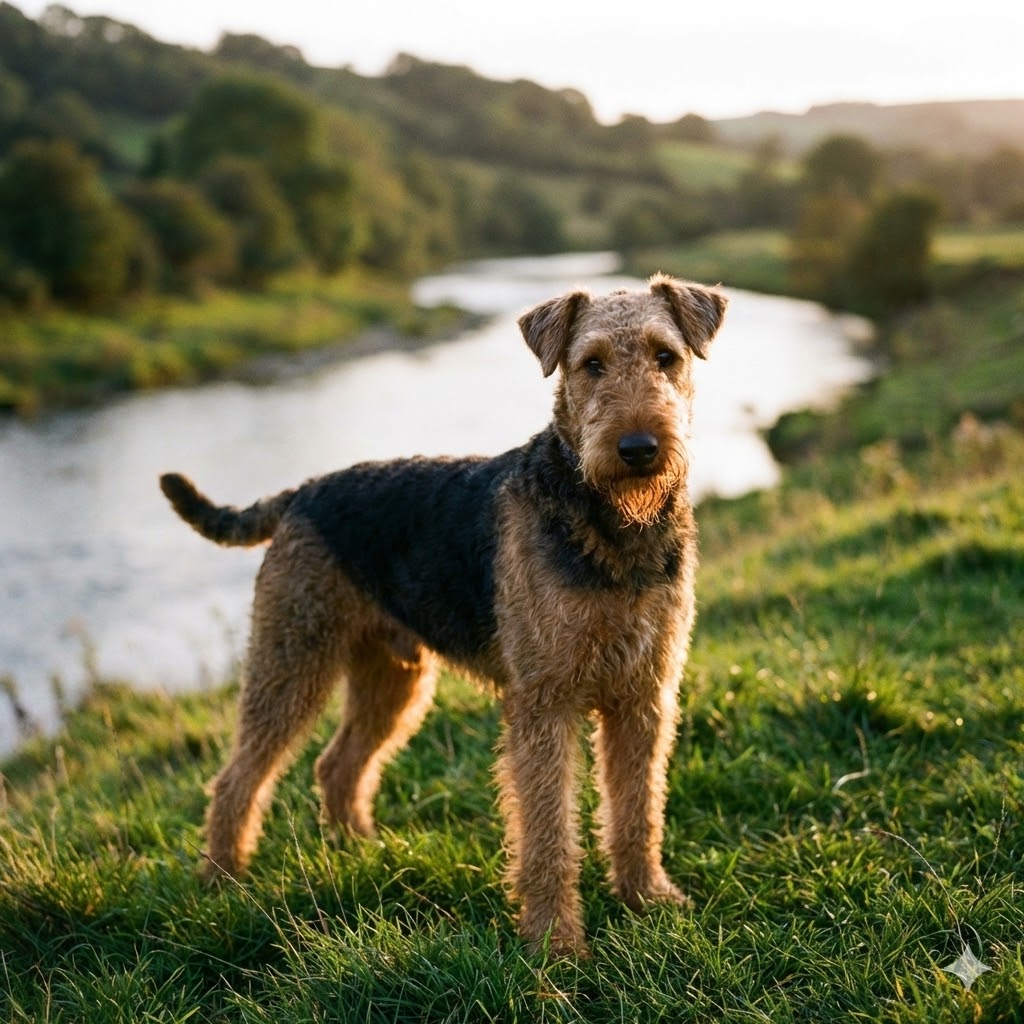
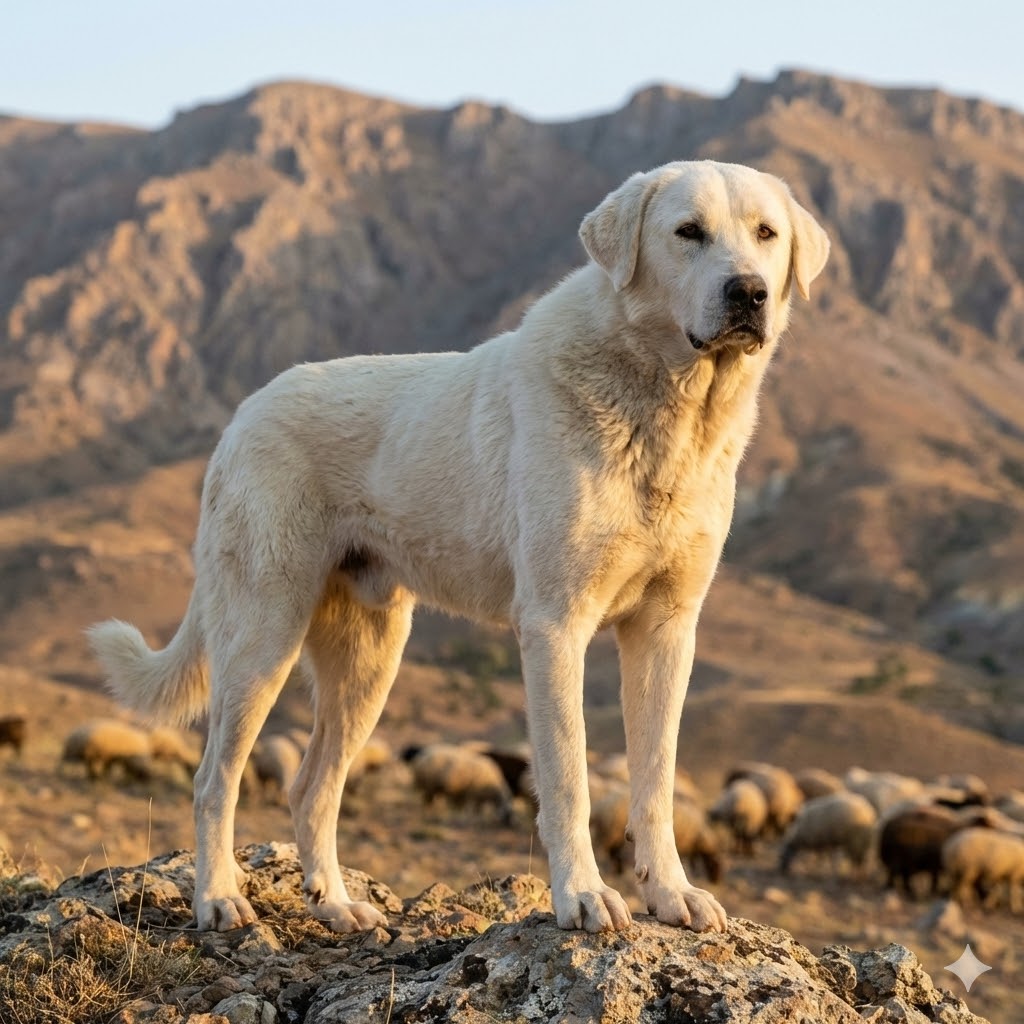
Compare Labrador Retriever with:
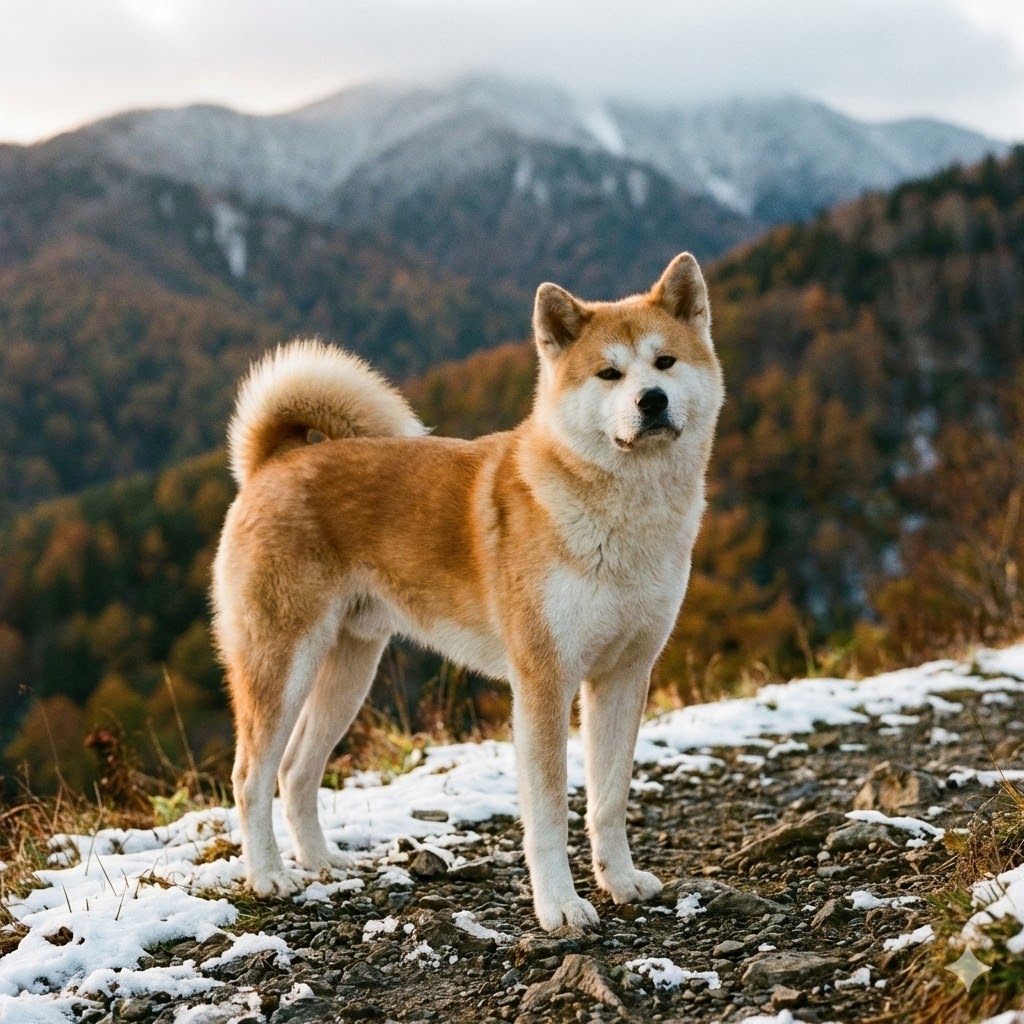
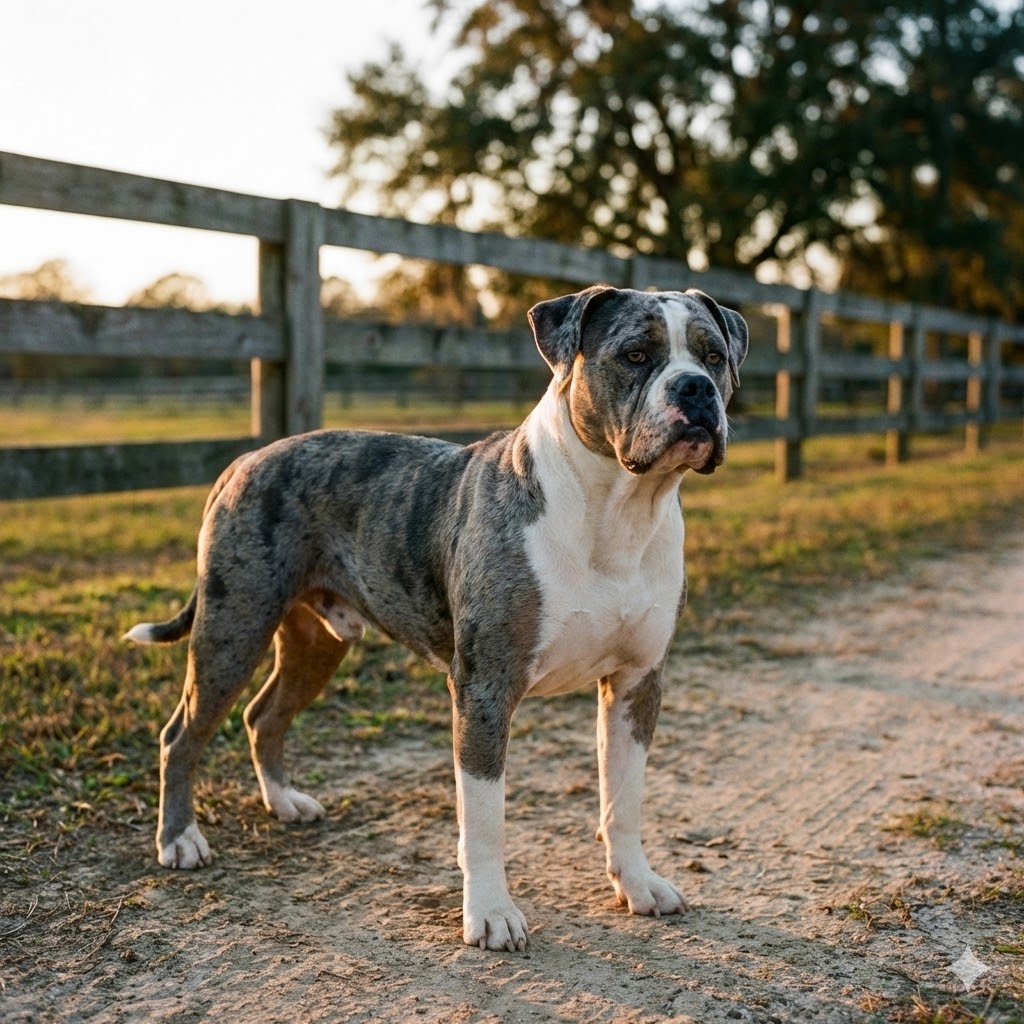
Compare Pembroke Welsh Corgi with:

Based on comprehensive breed research data.
View Labrador Retriever profile·View Pembroke Welsh Corgi profile