Pug vs Siberian Husky
A side-by-side comparison to help you find the right breed for your lifestyle.
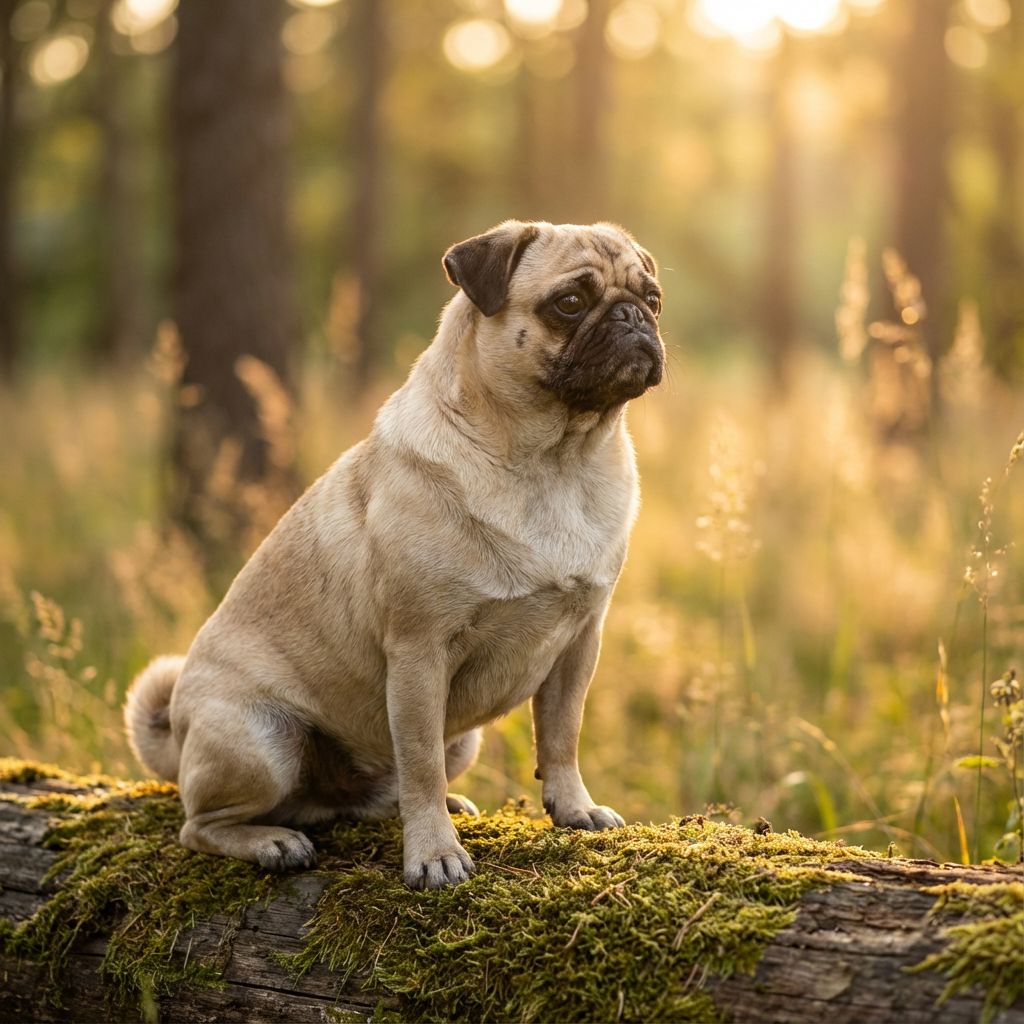
Pug
Also known as: Chinese Pug, Dutch Bulldog, Dutch Mastiff, Mini Mastiff, Mops, Carlin
The Pug is a small, charming dog breed known for its wrinkled face, curly tail, and affectionate personality. With origins dating back to ancient China, Pugs are beloved for their playful and sociable nature, making them excellent companions. However, their flat faces come with serious health implications that every potential owner must understand.
Small
Low
7.7-15 yrs
25-33 cm
6-8 kg
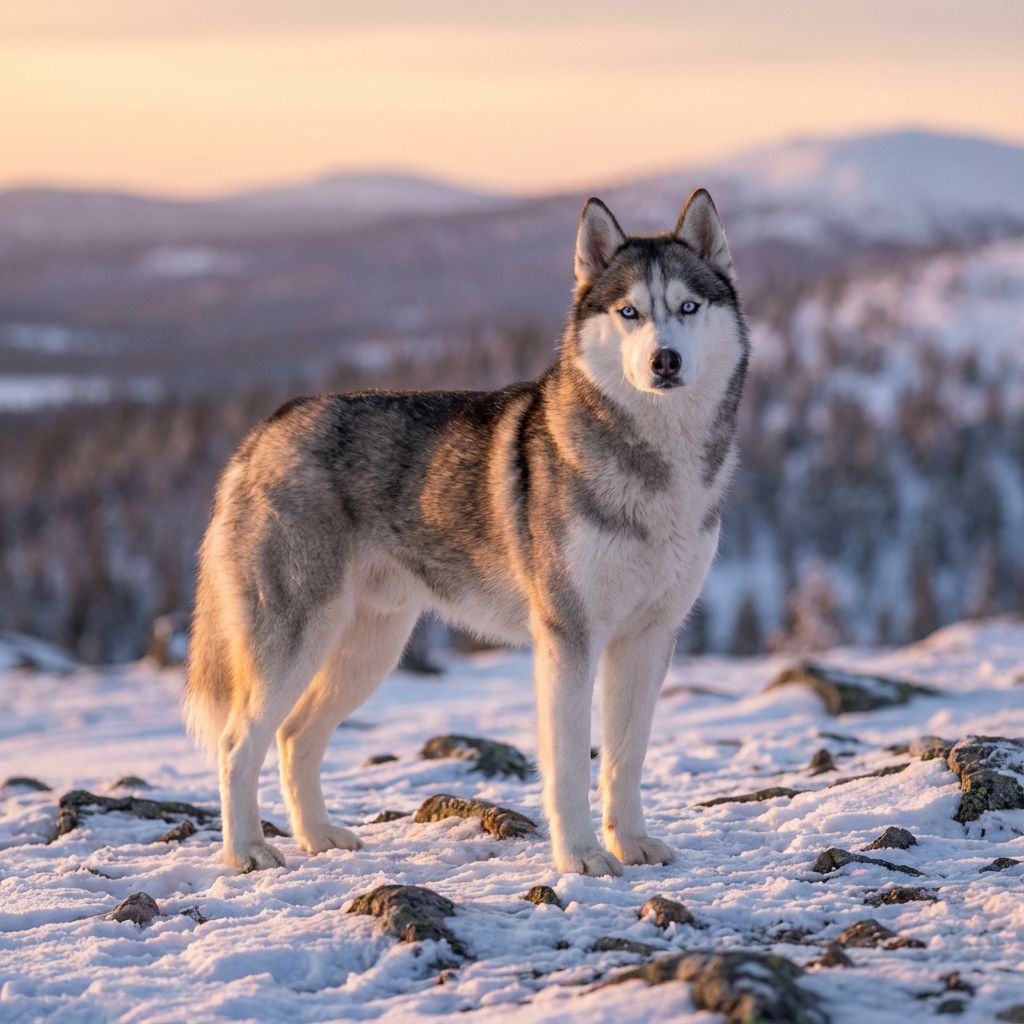
Siberian Husky
Also known as: Husky, Sibe, Chukcha
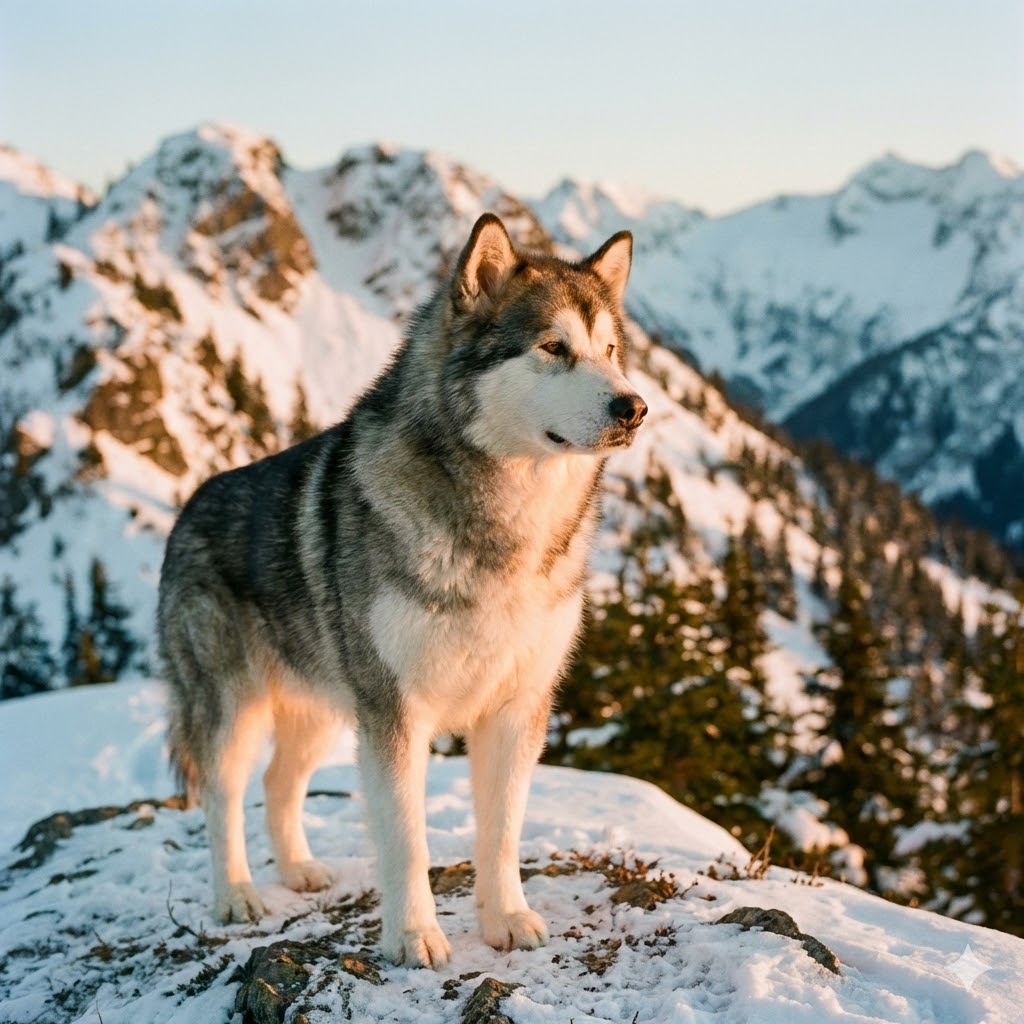
The Siberian Husky is a stunning working dog bred by the Chukchi people of Siberia for endurance sled-pulling. While their wolf-like appearance and piercing blue eyes attract many owners, there is a catastrophic gap between public perception and daily reality. This is an escape artist with extreme prey drive, requiring 90+ minutes of exercise daily and secure containment - they are NOT beginner dogs.
Medium
High
12-14 yrs
51-60 cm
Quick Comparison
| Trait | Pug | Siberian Husky |
|---|---|---|
| Energy | ||
| Trainability | ||
| Grooming Needs | ||
| Family Friendly | ||
| Independence |
Key Characteristics
| Good with Kids | ||
| Good with Dogs | ||
| Good with Cats | ||
| Hypoallergenic | ||
| Apartment Friendly | ||
| First-Time Owner OK |
| Detail | Pug | Siberian Husky |
|---|---|---|
| Size | Small | Medium |
| Energy Level | Low | High |
| Grooming | High | High |
| Trainability | challenging | challenging |
| Barking Level | Medium | Low |
| Shedding Level | High | High |
| Chew strength | Light | Hard |
| Housing | Apartment | Acreage |
Owner Fit & Decision Guide
Owner Match
| Trait | Pug | Siberian Husky |
|---|---|---|
| Experience Level | Beginner (temperament) / Advanced (medical) | Advanced |
| First-Time Owner | ||
| Ideal Owner | Work-from-home individual or homebody who wants a constant companion. Financially prepared for medical costs. Lives in climate-controlled environment. Tolerant of shedding and snoring. | Active individual or couple who runs/bikes daily, has secure fenced property with dig barriers, understands primitive dog psychology, accepts that recall will never be reliable. |
Pug Dealbreakers
- Want a hiking/running partner
- Away from home for long hours
- Cannot afford pet insurance ($50-100/month) plus deductibles
- Light sleeper (snoring)
- Live in tropical climate without AC
Siberian Husky Dealbreakers
- Sedentary lifestyle (prefer Netflix to hiking)
- Apartment living without extreme dedication
- Need for instant obedience
- Cannot invest in secure containment
- Work long hours away from home
Surrender Risk
| Factor | Pug | Siberian Husky |
|---|---|---|
| Risk Level | Medium | High |
| Primary Reasons | Health costs - cannot afford BOAS surgery or corneal ulcer treatments, Housing - shedding or velcro behavior too much for landlords, Underestimated medical needs | 'Game of Thrones' Syndrome - bought as 'direwolf' puppy, surrendered as 1-year-old destroyer, Escape/roaming - owners tire of retrieving dog from pound or neighbors, Destruction from unmet exercise needs |
Temperament & Personality
Behavior Comparison
| Trait | Pug | Siberian Husky |
|---|---|---|
| Prey Drive | ||
| Watchdog Ability | ||
| Stranger Friendly | ||
| Drool Level | ||
| Wanderlust |
Vocalization
| Trait | Pug | Siberian Husky |
|---|---|---|
| Barking Level | Medium | Low |
| Howling Tendency | ||
| Whining Tendency | Medium | High |
| Separation Vocalization |
Safety & Reliability
| Trait | Pug | Siberian Husky |
|---|---|---|
| Escape Artist | ||
| Dog Park Suitable | ||
| Off-Leash Reliable | ||
| Small Animal Safe | ||
| Leash Reactivity | ||
| Resource Guarding Risk | Low to Moderate | Moderate |
Pug Social Traits
None
Generally dog neutral or social, may be bullied by larger dogs due to stiff body language
Siberian Husky Social Traits
None
Generally good but rough play style can offend sensitive breeds
Training
Pug
- High-value treats are non-negotiable
- Keep sessions short (5 minutes)
- Don't give up when they look 'sad' - avoid learned helplessness
- Use food puzzles for mental stimulation
Siberian Husky
- Use VERY high-value rewards (liver, cheese) - they don't work for kibble
- No force methods - causes shutdown or defensiveness
- Accept that reliable recall is a lifelong management need, not achievable
- Keep sessions short - they bore easily
Pug Considerations
Pugs were bred for centuries solely as companions to Chinese emperors. They have almost zero tolerance for isolation and will follow you everywhere. If left alone for standard workdays (8+ hours), they often develop severe separation anxiety manifesting as destruction or vocalization.
Pugs cannot pant efficiently to cool down. Heatstroke can kill a Pug in minutes at temperatures that are safe for other dogs. Air conditioning is mandatory, and outdoor activity must be severely restricted in warm weather.
Pugs score low on traditional obedience intelligence. They are independent thinkers who often refuse commands if there is no immediate food reward. House training can take months, and some Pugs never become 100% reliable.
Due to their flat-faced anatomy, Pugs have guaranteed health issues. BOAS surgery can cost $2,000-$5,000, and insurance premiums are 40% higher than average breeds. This is not a low-cost dog.
Siberian Husky Considerations
This is NOT marketing exaggeration. Huskies are biologically engineered to roam hundreds of miles. They dig under fences, jump 6-foot walls, and manipulate latches. Standard suburban fencing is often insufficient.
The Husky retains a nearly FULL predatory sequence. They are notoriously unsafe with cats, rabbits, birds, and small dogs. This drive is instinctual - it cannot be 'loved' or 'trained' out of them reliably.
Huskies are obligate pack animals. Isolation causes howling audible for blocks and severe destruction (chewing through drywall, doors, sofas). Unsuitable if left alone 8+ hours without a canine companion.
Unlike a Golden Retriever working for praise, a Husky works for PURPOSE. If they don't see value in a command, they ignore it. This isn't stupidity - it's high adaptive intelligence. They are not biddable dogs.
Multi-Species Compatibility
| Species | Pug | Siberian Husky |
|---|---|---|
| With Cats | Excellent - often bullied by cats rather than vice versa | HIGH RISK - predatory drift can occur even with 'friends', never fully trustworthy |
| Small Mammals | Safe - one of few breeds safe with free-roaming rabbits or guinea pigs (supervised) | UNSAFE - view as food |
| Birds / Reptiles | Safe - lacks prey drive instincts | UNSAFE - high predation risk |
Advanced Behavior
| Trait | Pug | Siberian Husky |
|---|---|---|
| Predatory Sequence Risk | None/Arrested | Full |
| Biddability | Medium | Low |
| Noise Sensitivity | Medium | Low |
| Territorial Barking | ||
| Same-Sex Aggression Onset | N/A | 18 months |
Pug: Predatory sequence is largely bred out. They want to please you, but want a cookie more. 'Learned helplessness' - owners often give up training because the Pug looks sad.
Siberian Husky: Predatory sequence is FULL (Orient->Eye->Stalk->Chase->Grab->Kill). Unlike herding dogs (arrested at chase) or retrievers (arrested at grab), Huskies often complete to kill/dissect. This is hardwired genetics, not 'aggression'.
First Year & Life Stages
First Year Challenges
| Challenge | Pug | Siberian Husky |
|---|---|---|
| Puppy Difficulty | ||
| Destructive Phase | 6-12 | 6-18 |
| House Training | Hard | Medium |
| Crate Training | Medium | Low |
| Adolescent Regression |
Pug: Not destructive or high-energy, but notoriously difficult to house train. Small bladders and stubbornness mean accidents may happen for up to a year.
Siberian Husky: Unlike a Golden (difficulty 6) that wants to please, a Husky puppy combines high energy, extreme mouthiness, screaming during crate training, and total lack of focus. They are essentially wild animals in a cute suit for the first 12 months.
Life Stages Timeline
| Stage | Pug | Siberian Husky |
|---|---|---|
| Puppy Phase | 12 months | 12 months |
| Adolescence | 6-12 | 12-36 |
| Adult Years | 1-7 | 3-8 |
| Senior Onset | ~8 years | ~8 years |
| Peak Energy Age | 1-3 years | 1-3 years |
Size & Physical Characteristics
Physical Stats
| Measurement | Pug | Siberian Husky |
|---|---|---|
| Height | 25-33 cm | 51-60 cm |
| Weight | Not enough data yet | Not enough data yet |
| Size Category | Small | Medium |
| Lifespan | 8–15 years | 12–14 years |
| Litter Size | 4-6 | 4-6 |
Pug Coat
Siberian Husky Coat
Lineage & Origin
| Detail | Pug | Siberian Husky |
|---|---|---|
| Original Purpose | Lap dog and companion to Chinese emperors | Endurance sled-pulling over vast distances (bred by Chukchi people of Siberia) |
| Origin | China, 400 B.C. | Northeastern Siberia, thousands of years old |
Breeding Details
| Detail | Pug | Siberian Husky |
|---|---|---|
| C-Section Rate | 20-30% | ~5% |
| Whelping Difficulty | Hard | Easy |
| Puppy Mortality Rate | Medium | Low |
Physical Risks
| Risk | Pug | Siberian Husky |
|---|---|---|
| Bloat / GDV Risk | Low | Low |
| Slippery Floor Risk | Low | Low |
| Min Fence Height | 0.9m | 1.8m |
| Dig / Escape Risk | None | High |
Health & Common Conditions
Pug Health Issues
Siberian Husky Health Issues
Pug Suggested Tests
- BOAS grading assessment
- PDE genetic test
- Eye examination
- Spinal evaluation
- Patella evaluation
Siberian Husky Suggested Tests
- Ophthalmologist Evaluation (annual - CRITICAL)
- Hip Evaluation (OFA)
- DNA test for PRA
Health Risk Overview
| Risk Factor | Pug | Siberian Husky |
|---|---|---|
| Cancer Risk | Low | Low |
| Cardiac Risk | Low | Low |
| Neurological Risk | High | Low |
| CCL/ACL Tear Risk | Low | Low |
| Vet Burden Tier | Very High | Low |
Sensitivities & Allergies
| Sensitivity | Pug | Siberian Husky |
|---|---|---|
| Skin Allergies | ||
| Environmental Allergies | ||
| Stomach Sensitivity | Medium | Low |
| Food Allergies | Chicken, Beef | Zinc deficiency (breed-specific) |
Health Maintenance
| Care Item | Pug | Siberian Husky |
|---|---|---|
| Nail Growth Rate | Normal | Normal |
| Eye Care Needs | High | High |
| Anal Gland Issues | Occasional | Rare |
Senior Care & Aging
Pug Senior Care
Common Senior Issues
- Pug Myelopathy (rear leg paralysis)
- Incontinence due to spinal issues
- Worsening breathing problems
- Cognitive decline
Many senior Pugs require wheelchairs or strollers while their minds remain active. Rear leg paralysis is common.
Siberian Husky Senior Care
Common Senior Issues
- Cataracts/vision loss
- Arthritis/stiffness
- Hypothyroidism
Activity slows around 8+ but they remain spry. Watch for clouding eyes (cataracts) and stiffness.
Grooming & Care
Pug
high maintenanceSiberian Husky
high maintenanceLifestyle Compatibility
Pug Daily Life
Siberian Husky Daily Life
Housing & Legal Restrictions
| Restriction | Pug | Siberian Husky |
|---|---|---|
| BSL Restricted | ||
| Common Rental Ban | ||
| Insurance Blacklist | ||
| Weight Category | Under 25lbs | 25-50lbs |
Climate Tolerance
| Climate | Pug | Siberian Husky |
|---|---|---|
| Heat Tolerance | ||
| Cold Tolerance | ||
| Water Affinity | Low | Low |
Travel Compatibility
| Activity | Pug | Siberian Husky |
|---|---|---|
| Car Travel | Good | Good |
| Camping | ||
| Beach Friendly | ||
| Hiking Rating | ||
| Cabin Flight Eligible | ||
| Hotel Friendly Size |
Niche Suitability
| Role | Pug | Siberian Husky |
|---|---|---|
| Service Dog | None | Low |
| Therapy Dog | Medium | Medium |
| Deep Pressure Therapy | ||
| Canicross / Bikejoring | ||
| Apartment Adaptable | ||
| Tactile / Sensory Friendly | ||
| Livestock Guardian | ||
| Medical Alert | None | Low |
Costs & Expenses
Upfront Costs
| Cost | Pug | Siberian Husky |
|---|---|---|
| Purchase Price | $1,000-3,000 | $800-2,500 |
| Initial Cost Range | $1,000–$3,000 | $800–$2,500 |
| Cost Tier |
Ongoing Costs
| Cost | Pug | Siberian Husky |
|---|---|---|
| Monthly Range | $150–$250 | $100–$180 |
| Yearly Range | $2,200–$3,000 | $1,500–$2,500 |
| Food / Month | $40-60 | $60-100 |
| Insurance / Month | $50-100 | $32-95 |
| Grooming / Session | $40-60 | $50-80 |
| Vet Routine / Year | $500-1,500 | $400-800 |
| Monthly Cost Tier |
Pug Lifetime Cost
$20,000-40,000
Siberian Husky Lifetime Cost
$18,000-35,000
Quirks & Fun Facts
Daily Quirks
| Quirk | Pug | Siberian Husky |
|---|---|---|
| Snoring | ||
| Flatulence | Frequent | Rare |
| Slobber Level | None | None |
| Smell When Wet | Strong | Mild |
| Zoomies Frequency | Weekly | Daily |
| Counter Surfing | ||
| Digging Tendency | None | High |
Pug Quirks
The Pug Swirl
When excited or after a bath, they tuck their butts and run in frantic circles - normal zoomie behavior
Reverse Sneezing
A terrifying honking/gasping sound that sounds like they're dying, but is usually a harmless spasm of the soft palate. Massage the throat to stop it.
Shadow Dog
Will follow you to the bathroom, sit on your feet while you cook, and sleep in your bed - zero concept of personal space
The Pug Stare
Will stare at you intently, especially around mealtimes, using their expressive eyes to manipulate you
Siberian Husky Quirks
The Husky Swirl
Sleep in a tight ball with tail over nose to conserve heat - an ancient survival adaptation.
Cat-Like Self-Grooming
Fastidious and clean themselves like cats. Very little 'doggy odor' despite the thick coat.
Drama Queen Screaming
When frustrated or restrained (e.g., at the vet), they emit a blood-curdling scream that sounds like human torture.
The 'Woo-Woo' Talk
They communicate through distinctive vocalizations - they 'talk' rather than bark.
Frequently Asked Questions
Turn your dog into a brand deal.
Pet brands are looking for authentic creators — not celebrities. If you own a Pug or Siberian Husky, you can get free products, gear, and exclusive perks just for sharing your dog's life on Instagram.
No followers minimum · Free to join
Compare with Other Breeds
Compare Pug with:
Based on comprehensive breed research data.