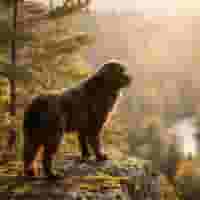

¿Un Terranova es adecuado para ti?
Rasgos de personalidad, compatibilidad familiar y ajuste de estilo de vida: todo para decidir.
¿Un Terranova es adecuado para ti?
Haz nuestro test de compatibilidad de 1 minuto basado en datos reales de propietarios
Infórmate antes de decidirte
Important behavioral traits that potential owners should understand:
Newfoundlands were bred to work closely with fishermen and do not tolerate isolation well. A 150lb dog with separation anxiety can destroy drywall, doors, and furniture in minutes. They need someone home most of the time.
This is non-negotiable. Loose jowls trap saliva - when they shake their heads, 'slobber strings' reach ceilings, walls, and guests. If you're house-proud or easily grossed out, this breed is incompatible with your lifestyle.
Between 6-18 months, they're large, clumsy, and energetic with no body awareness. They accidentally injure children or elderly owners simply by bumping into them. A puppy growing 10lbs/month is logistically immense.
Everything costs 2-3x more: $100-150/month food, $100-250/month insurance, medications priced by weight. If a $3,000 vet bill is a disaster, do not get this breed.
Compatibilidad familiar
How Terranovas typically interact with different family members and pets:
Children (0-5 years)
Terranovas are typically patient and gentle with young children - always supervise interactions
Tip: Teach children to be gentle, never disturb during eating or sleeping
Children (5-12 years)
Excellent playmates! Terranovas often bond strongly with school-age children
Tip: Great age to involve kids in feeding, grooming, and training
Teenagers
Terranovas typically do well with teenagers who can help with exercise and care
Tip: Teens can take on walking and training responsibilities
Other Dogs
Most Terranovas can live harmoniously with other dogs when properly introduced
Tip: Gradual introductions on neutral territory work best
Cats
Can learn to live with cats, especially if raised together
Tip: Early socialization with cats increases success
Small Pets (rabbits, hamsters)
Caution advised - most dogs have some prey instinct toward small animals
Tip: Always keep small pets securely housed when dog is present
Compatibilidad con tu situación de vida
Apartment
Terranovas may find apartment living challenging
- Daily walks are essential
- Generally quiet indoors
- Mental stimulation important
House with Yard
Ideal setup for most Terranovas - space to play and explore
- Secure fencing required
- Supervised outdoor time recommended
- Still needs walks for enrichment
Rural/Farm
Terranovas enjoy rural settings
- Good recall training essential
- Watch for wildlife
- Plenty of room to exercise
First-Time Owner
Terranovas may be better suited for experienced owners
- Consider professional training
- Research breed thoroughly
- Be prepared for challenges
Work From Home
Terranovas love having their people around all day
- Set boundaries for work time
- Schedule regular breaks for play
- Create a comfortable space for them
Away 8+ Hours
Terranovas can handle being alone with proper setup
- Gradual training to be alone
- Enrichment toys
- Morning exercise before leaving
Entrenar a tu Terranova
Moderately Trainable
Responds well to consistent training with patience
Consejos de entrenamiento
- Be patient and consistent
- Use high-value treats
- Keep training sessions varied
- Consider professional classes
Desafíos comunes
- May need more repetition
- Can be occasionally stubborn
Pro tip: Consider professional training classes, especially for first-time Terranova owners. Group classes also provide valuable socialization.
Necesidades de ejercicio
Necesita 30-60 minutos de ejercicio diario
Actividades recomendadas:
- Daily walks (vary routes for mental stimulation)
- Fetch and interactive play
- Puzzle toys and training sessions
Estimulación mental
Terranovas are intelligent dogs that need mental challenges to stay happy and prevent boredom-related behaviors.
Ideas:
- Puzzle feeders and treat-dispensing toys
- Short training sessions (10-15 min)
- Nose work and scent games
- New environments and experiences