SeriousDigestive
Gastric Dilatation-Volvulus in Dogs
Gastric Dilatation-Volvulus (GDV) is a life-threatening emergency where the stomach fills with gas and may twist, cutting off blood supply. Requires immediate veterinary care.
Affected Breeds20
Also known as: Bloat, Bloat (GDV)
Dog Breeds Affected by Gastric Dilatation-Volvulus
Data from 20 breed health profiles

Afghan Hound
Bloat prevalence
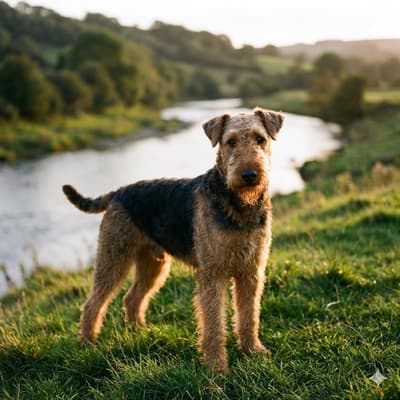
Airedale Terrier
Bloat prevalence
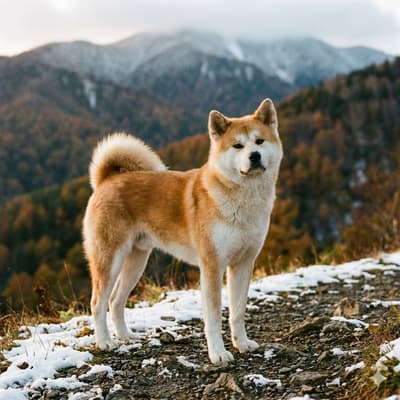
Akita
Bloat prevalence
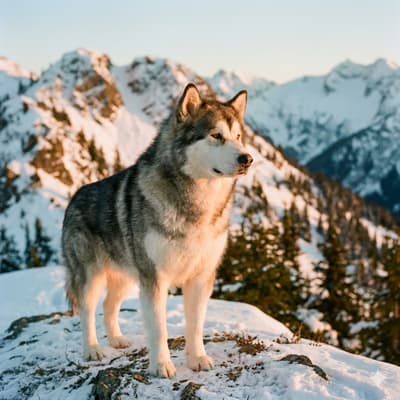
Alaskan Malamute
Gastric Dilatation-Volvulus prevalence
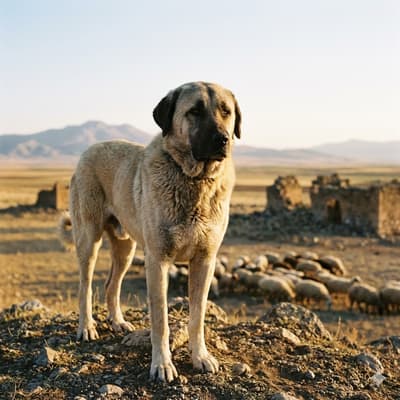
Anatolian Shepherd Dog
Bloat prevalence

Anglo-Français de Petite Vénerie
Bloat prevalence

Azawakh
Bloat prevalence

Beauceron
Bloat prevalence

Bernedoodle
Bloat prevalence

Boxador
Bloat prevalence
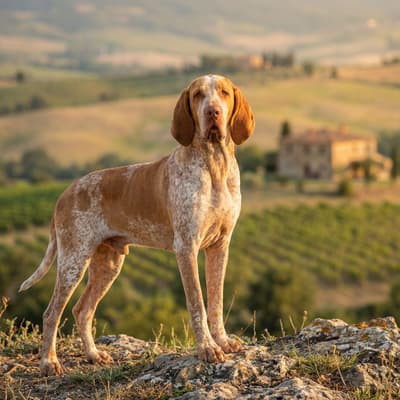
Bracco Italiano
Bloat prevalence
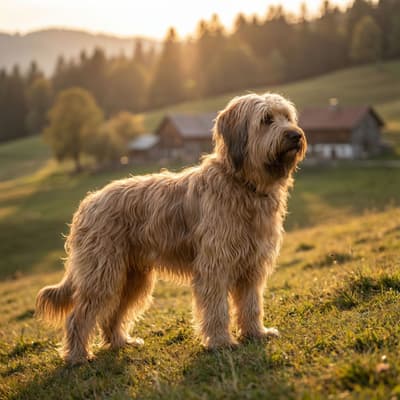
Briard
Bloat prevalence
Symptoms to Watch For
- Distended abdomen
- Unproductive retching
- Restlessness and pacing
- Rapid breathing
- Weakness or collapse
If you notice any of these symptoms in your dog, consult your veterinarian promptly.
Prevention & Management
Feed multiple small meals
Avoid exercise after eating
Use slow-feeder bowls
Consider prophylactic gastropexy
Related Health Issues
Gastric Dilatation-Volvulus (Bloat)
9 breeds
Gastric Dilatation-Volvulus (Bloat) (High Risk)
2 breeds
Bloat (GDV) (moderate risk)
1 breeds
Gastric Dilatation-Volvulus (Bloat): High risk due to deep chest depth
1 breeds
Hip Dysplasia
88 breeds
Elbow Dysplasia
29 breeds
Hypothyroidism
27 breeds
Patellar Luxation
26 breeds
Frequently Asked Questions
What is Gastric Dilatation-Volvulus in dogs?
Gastric Dilatation-Volvulus (GDV) is a life-threatening emergency where the stomach fills with gas and may twist, cutting off blood supply. Requires immediate veterinary care.
Which dog breeds are most affected by Gastric Dilatation-Volvulus?
Based on breed health data, Gastric Dilatation-Volvulus is commonly reported in Afghan Hound, Airedale Terrier, Akita, and 17 other breeds. Some breeds may have higher prevalence rates than others.
How can I prevent Gastric Dilatation-Volvulus in my dog?
Prevention strategies include: Feed multiple small meals; Avoid exercise after eating; Use slow-feeder bowls; Consider prophylactic gastropexy. Always consult with your veterinarian for personalized advice.
What are the symptoms of Gastric Dilatation-Volvulus?
Common symptoms include: Distended abdomen; Unproductive retching; Restlessness and pacing; Rapid breathing; Weakness or collapse. If you notice any of these signs, consult your veterinarian promptly.
Medical Disclaimer
This information is for educational purposes only and is not a substitute for professional veterinary advice. Always consult with a qualified veterinarian for diagnosis and treatment of health conditions in your dog.
All Issues
Browse directory
Top Issues
Most common conditions
Dog Breeds
Breed health profiles