The Honest Truth
Before you fall in love, know what you're getting into.
Allevati per comunicare con i pastori su lunghe distanze, i Collie allertano su tutto: camion delle consegne, vicini, scoiattoli e vento. A differenza dell'abbaio di avvertimento di un cane da guardia, un Collie abbaia spesso per chiacchierare o esprimere noia. L'abbaio è acuto e penetrante.
Eccezionalmente sensibili all'ambiente circostante. Temporali, fuochi d'artificio e persino discussioni ad alta voce possono causare notevole angoscia. Sono cattivi candidati per famiglie caotiche con urla costanti o porte che sbattono.
Il magnifico pelo richiede sessioni settimanali di spazzolatura per linee di 45-60 minuti. La spazzolatura superficiale lascia che il sottopelo si aggrovigli, portando a cani 'feltrati' che devono essere rasati - un disastro per i manti doppi. Questo è un hobby, non una corvée.
I cuccioli di Collie possono tentare di fare il pastore ai bambini che corrono mordendoli ai talloni. Questo è un comportamento di sequenza predatoria interrotta, non aggressività, ma può spaventare i bambini piccoli e richiede gestione.
Health Overview
View full health guide →Ownership Costs
View full breakdown →Includes food, insurance, vet visits, grooming, and supplies
Living Situation
With Other Pets
Climate & Seasonal Care
ZONA DI PERICOLO in estate - il pelo trattiene il calore. L'esercizio deve essere al mattino presto/tarda sera quando le temperature superano i 24°C. In inverno, la neve si accumula nei cuscinetti (palle di neve) - tagliate il pelo delle zampe. Cambiano il pelo 1-2 volte/anno riempiendo sacchi della spazzatura di pelo.
Breed Origins
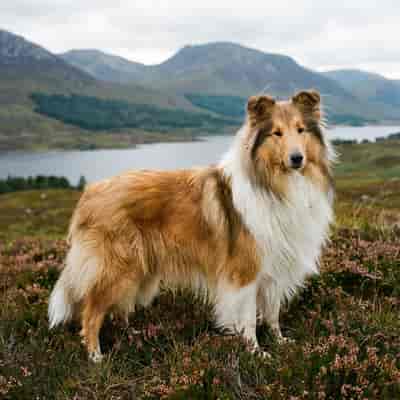
Living With a Scottish Sheepdog Longhair
- Abbaio - volume e frequenza sottovalutati
- Muta/Toelettatura - pelo estremo e impegno di tempo
- Effetto Lassie - aspettative irrealistiche dalla serie TV
Exercise Menu
45-60 min/dayLife Stages
I cuccioli di Collie sono generalmente educati e osservativi, più facili dei Labrador o delle razze ad alto impulso. Le sfide principali sono la sensibilità ai rumori e la socializzazione per prevenire la timidezza. Potrebbe essere necessario nastro per le orecchie per il classico aspetto semi-eretto (solo estetico).
Peak energy age: 1-3 years
Prime years - energy stabilizes but remains active
Alto rischio di artrite - introducete rampe per le auto presto per proteggere le articolazioni. Mantenete stimolato mentalmente con il noseWork per rallentare il declino cognitivo.
First Year Reality Check
Travel & Adventure
I cuccioli sono soggetti al mal d'auto. Gli adulti viaggiano generalmente bene ma possono abbaiare alle auto/bici che passano se non desensibilizzati. Il pelo attira spine, ramoscelli e fango come una calamita durante il campeggio.
Safety & Containment
In genere non sono vagabondi come gli Husky. Di solito rispettano i confini. Possono sviluppare reattività al guinzaglio se non socializzati, di solito radicata in paura/ansia piuttosto che in aggressività.
Breeding Information
Special Abilities
Training Guide
- Mantenete le sessioni brevi (5-10 min) e divertenti
- Le correzioni dure li faranno chiudere o diventare timorosi
- Sono intelligenti ma non 'nevrotici' nella risoluzione dei problemi come i Border Collie
- Addestrate il comando 'silenzio' presto per gestire l'abbaio
- Può annoiarsi con la ripetizione infinita
- Sensibile alle emozioni del conduttore - se siete frustrati, si disimpegnano
Health Warning: Bloat Risk
Scottish Sheepdog Longhairs are a deep-chested breed at HIGH risk for Gastric Dilatation-Volvulus (GDV/Bloat), a life-threatening emergency.
Community Insights
No Scottish Sheepdog Longhair insights yet
We're gathering data from real Scottish Sheepdog Longhair owners. Be the first to share your experience!
Register your Scottish Sheepdog LonghairFeatured Scottish Sheepdog Longhairs
Be the first Scottish Sheepdog Longhair creator!
No Scottish Sheepdog Longhairs registered yet. Join Dogfluence and showcase your furry friend to brands.
Start creatingCare Tips for Scottish Sheepdog Longhairs
Dedicate sessioni settimanali di spazzolatura profonda (45-60 minuti) per prevenire i nodi - la spazzolatura superficiale non è sufficiente e porterà a nodi dolorosi vicino alla pelle.
Fornite 45-60 minuti di esercizio quotidiano incluse passeggiate olfattive e giochi leggeri - hanno un distinto 'interruttore di spegnimento' e sono calmi in casa.
Testate la sensibilità al gene MDR1 prima di qualsiasi trattamento veterinario - ~70% dei Collie non possono elaborare in sicurezza farmaci comuni come l'Ivermectina.
Breed Characteristics
More Scottish Sheepdog Longhair Resources
Scottish Sheepdog Longhair Costs
Calculate the true cost of ownership
Scottish Sheepdog Longhair Health
Common health issues & prevention
Scottish Sheepdog Longhair Grooming
Coat care & grooming tips
Scottish Sheepdog Longhair Food
Nutrition & diet recommendations
Scottish Sheepdog Longhair Temperament
Personality & behavior traits
Scottish Sheepdog Longhair Name Ideas
Find the perfect name for your Scottish Sheepdog Longhair
Scottish Sheepdog Longhair Hashtags
Top Instagram hashtags for Scottish Sheepdog Longhair posts
Not the Right Fit?
Frequently Asked Questions
Join as a Scottish Sheepdog Longhair Creator
Love your Scottish Sheepdog Longhair? Join thousands of dogfluencers and get sponsored by top pet brands!
Registra il mio canale