Skip to content
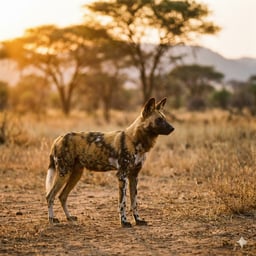
Africanis breed photo

Africanis

The African Hunting Dog, also known as the African Wild Dog or painted wolf, is a highly social and intelligent canine native to sub-Saharan Africa, renowned for its distinctive mottled coat, large rounded ears, and remarkable cooperative hunting strategies. As one of the most efficient predators on the continent, this endangered species plays a crucial role in maintaining ecological balance within its habitat.

2.2
Taglia
Grande
25-45 kg
Toelettatura
Bassa manutenzione
Spazzolatura settimanale
Famiglia
Ottimo con i bambini
Natura paziente e gentile
Adatto alle famiglie
Forza di masticazione
Moderata
In base alla razza

La verità onesta

Prima di innamorarti, sappi cosa stai per affrontare.

SfidaExtreme Independence

Unlike a Golden Retriever that looks to you for direction, an Africanis makes its own decisions. They are cooperative but not subservient. If you require a dog that obeys commands instantly for the sake of obedience, this breed will frustrate you.

SfidaRoaming Instinct

These dogs evolved to roam freely around rural homesteads. They have a high "wanderlust" and are known escape artists. A secure fence (minimum 1.8m) is non-negotiable.

SfidaStranger Wariness

They are naturally cautious of strangers. While rarely aggressive without cause, they will not greet your guests with a wagging tail immediately. They are watchdogs first, friends second.

SfidaPrey Drive

They have a functional prey drive. While they can bond with livestock (goats, cattle) if raised with them, they may view strange small animals (cats, rabbits) as food.

Panoramica della salute

Vedi guida alla salute completa →
Patologia % della razza colpita
Tick-Borne DiseasesBiliary/Babesiosis, Ehrlichiosis
Chiedi all'allevatore:
Regular veterinary check-upsPhysical examination for Dermoid Sinus (for ridged puppies)Vaccination protocolRigorous tick control

Costi di proprietà

Vedi ripartizione completa →
Costo iniziale
$1,000-2,500
EconomicoMedioPremium
Costo mensile
$80-160
BassoModeratoAlto
Costo annuale stimato
$960-1,920

Include cibo, assicurazione, veterinario, toelettatura e forniture

Situazione abitativa

Vita in appartamento
Challenging - needs space
Lavoro da casa
Suitable with adequate exercise
Tempo solo
Moderate - 4-6 hours
Primo proprietario
Meglio per proprietari esperti

Con altri animali

Cani
Generalmente amichevole
Gatti
Caution - may chase
Piccoli mammiferi
Supervision required
Uccelli e rettili
Caution advised

Clima e cura stagionale

Tolleranza al calore5/5
Tolleranza al freddo2/5
Esigenze invernali
Necessita cappotto/stivali
Cura estiva
Attività normale OK
Muta stagionale
Medium

Adjust activities based on weather conditions.

Origini della razza

Origine
pariah dogs that migrated with Neolithic herders into the Nile Valley and then s
Scopo originale
The Africanis is a landrace, meaning it evolved through natural selection in a specific region (Sout

Vivere con un Africanis

Livello di odore
Moderate
Sensazione del pelo
Varies by coat type
Rischio di abbandono: Medium
  • Underestimated exercise needs
  • Behavioral challenges
  • Cost of care

Menu di esercizio

60-90 min al giorno
Fisico
60 minuti
Mentale
15 minuti
Physical:60-90 min
60-90 minutes daily. They prefer **rhythmic movement**—jogging, hiking, or trotting alongside a bicycle. They are excellent hiking companions [cite: 11, 15].
Mental:15-20 min
They need "environmental surveillance" time. A walk where they can sniff, watch, and patrol is more valuable than repetitive fetch [cite: 20].
The "Off Switch":15-20 min
Unlike many working breeds, the Africanis has a metabolic off-switch. Inside the house, they are often couch potatoes, conserving energy for the next hunt or patrol [cite: 10].
Relationship-Based:15-20 min
You cannot drill an Africanis. They respond to **respect and partnership**. Positive reinforcement works, but they must see the *point* of the command [cite: 10, 15].
Recall Challenges:15-20 min
Their survival instinct to scan the horizon and follow scents often overrides recall commands. Off-leash reliability is low in unfenced areas [cite: 7].
Socialization:15-20 min
Critical window is 8-16 weeks. You must expose them to strangers, other dogs, and varied environments to prevent their natural caution from becoming fear-aggression [cite: 21].
Heat Tolerance (5/5):15-20 min
Evolved for the African sun. They thrive in heat that would wilt a Golden Retriever [cite: 22].
Cold Tolerance (2/5):15-20 min
Poor. They have a single coat and very little body fat. In winter climates, they **require** coats and warm indoor sleeping quarters [cite: 7, 11].

Fasi di vita

Cucciolo0-12 mesi

Africanis puppies require consistent training and patience.

Adolescente6-18 mesi

Età di massima energia: 1-3 years

Adulto2-8 anni

Anni migliori - l'energia si stabilizza ma rimane attiva

Anziano8+ anni

Senior care varies by individual health.

Verifica della realtà del primo anno

4/10
Difficoltà cucciolo
Challenging
Addestramento in casa
Medium
Successo nel training in gabbia
6-18
Fase distruttiva (mesi)
Questa razza sperimenta comunemente la regressione adolescenziale - l'addestramento può regredire temporaneamente intorno ai 6-18 mesi

Viaggi e avventura

Viaggi in auto
Good
Compagno di escursioni
Campeggio
Adatto
Adatto alla spiaggia
Sì
Ammesso in cabina
Troppo grande
Accettato in hotel
Sì

Adapts well to travel with proper preparation.

Sicurezza e contenimento

Parco per cani
Adatto
Senza guinzaglio
Non consigliato
Rischio di fuga
Basso
Altezza min. recinzione
5-6 feet
Guardia delle risorse
Low
Sicuro con piccoli animali
Usare con cautela

Proper containment and supervision recommended.

Informazioni sull'allevamento

6
Dimensione media della cucciolata
(intervallo: 4-8)
Varies
Tasso di taglio cesareo
Medium
Difficoltà del parto
Low
Mortalità dei cuccioli

Abilità speciali

Canicross/Bikejoring Pelo adatto ai sensi

Guida all'addestramento

Metodo consigliato
Positive reinforcement
Velocità di apprendimento
ripetizioni
Consigli di addestramento
  • Keep training sessions short and varied
Sfide comuni
  • s:** Their survival instinct to scan the horizon and follow scents often overrides recall commands. Off-leash reliability is low in unfenced areas [cite: 7].

Insights della community

Ancora nessun insight su Africanis

Stiamo raccogliendo dati da veri proprietari di Africanis. Sii il primo a condividere la tua esperienza!

Registra il tuo Africanis

Cani Africanis in evidenza

Sii il primo creator di Africanis!

Nessun Africanis ancora registrato. Unisciti a Dogfluence e presenta il tuo amico peloso ai brand.

Inizia a creare

Foto reali di Africanis

Ancora nessuna foto di Africanis pubblicata. Sii il primo ad aggiungere le tue alla libreria fotografica gratuita.

Consigli di cura per i cani Africanis

Consiglio #1

Ensure regular exercise for your Africanis.

Consiglio #2

Provide a balanced diet appropriate for their size and energy level.

Consiglio #3

Regular grooming and veterinary check-ups are essential.

Caratteristiche della razza

Addestrabilità
Spirito indipendente
Energia
Molto attivo
Toelettatura
Bassa manutenzione
Taglia
Grande
Ipoallergenico
Non ideale
Appartamento
Non ideale
Bambini
Ottimo
Peso
25-45 kg

Confronti Africanis

Non è la razza giusta?

Domande frequenti

Unisciti come creator di Africanis

Ami il tuo Africanis? Unisciti a migliaia di dogfluencer e ottieni la sponsorizzazione dei migliori brand per animali!

Registra il mio canale