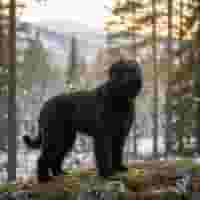
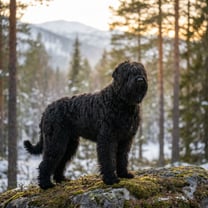
Come toelettare un Black Russian Terrier
Guida completa passo passo per la cura del mantello corto
Capire il mantello corto del tuo Black Russian Terrier
- Puo comunque perdere pelo
- Le unghie possono richiedere attenzione
- La cura della pelle e importante
Strumenti essenziali per pelo corto
Pennello in gomma per curry
EssenzialeRimuovere i capelli sciolti e massaggiare
Pennello in setola
ConsigliatoDistribuisci oli naturali
Strumento di deshedding
ConsigliatoGestire la muta stagionale
Guanto da toelettatura
OpzionaleRapide ripassate giornaliere
Tagliaunghie o smerigliatrice
EssenzialeManutenzione regolare delle unghie
Shampoo per cani
EssenzialeFare il bagno e pulire
Balsamo per cani
ConsigliatoMantieni il pelo sano e lucente
Pulitore per le orecchie
EssenzialePrevenire le infezioni alle orecchie
Spazzolino e dentifricio
EssenzialeIgiene dentale
Guida alla spazzolatura passo dopo passo
Usa una spazzola di gomma per il curry
Massaggiare con movimenti circolari con una spazzola in gomma per sciogliere i peli morti e stimolare la pelle.
Spazzolare con una spazzola a setole
Seguire con una spazzola a setole per rimuovere i peli sciolti e distribuire gli oli naturali attraverso il mantello.
Deshed se necessario
Durante la stagione della muta, usa uno strumento per rimuovere il pelo in eccesso se il tuo cane a pelo corto ne ha uno.
Pulisci
Termina con un panno umido o una salvietta da toeletta per catturare eventuali peli sciolti rimasti e aggiungere lucentezza.
Fare il bagno al tuo Black Russian Terrier
Frequenza consigliata: Ogni 8-12 settimane
Spazzola pre-bagno
Spazzolare sempre accuratamente prima del bagno per rimuovere stuoie e peli sciolti. L'acqua stringerà i tappetini e li renderà impossibili da rimuovere.
Bagnare accuratamente
Usa acqua tiepida e bagna completamente il cane, partendo dal collo in giù. Assicurarsi che l'acqua raggiunga la pelle, soprattutto per i mantelli spessi.
Applica lo shampoo
Se necessario, diluire lo shampoo con acqua. Schiuma dal collo alla coda, evitando occhi e orecchie. Concentrati sulle aree sporche come le zampe e il ventre.
Risciacquare completamente
Sciacquare finché l'acqua non diventa limpida e senza schiuma. Lo shampoo avanzato può causare irritazioni alla pelle. Per i cappotti spessi, ci vuole più tempo di quanto pensi!
Condizione se necessario
Per cappotti più lunghi o asciutti, applicare il balsamo e lasciare agire per 2-3 minuti prima di risciacquare. Aiuta a prevenire i grovigli e mantiene il pelo sano.
Asciugare correttamente
Asciugare prima con un asciugamano, quindi asciugare all'aria o utilizzare un asciugacapelli adatto ai cani a fuoco basso. Per i doppi strati, assicurarsi che il sottopelo sia completamente asciutto per evitare punti caldi.
Cura delle unghie e delle orecchie
Taglio delle unghie
Frequenza: Ogni 2-4 settimane, o quando senti le unghie battere sui pavimenti duri
Cerca l'area rapida, rosa all'interno dell'unghia. Per le unghie scure, taglia piccole quantità alla volta per evitare di colpirle.
Tieni la zampa fermamente ma delicatamente. Taglia le unghie con un angolo di 45 gradi, tagliando parallelamente al pavimento quando il cane è in piedi.
Tagliare piccole quantità alla volta. Se vedi un punto scuro al centro dell'unghia, fermati perché sei vicino al vivo.
Utilizzare una lima per unghie o una smerigliatrice per levigare i bordi taglienti. Ciò previene i graffi e rende meno probabile che le unghie si impiglino.
Pulizia delle orecchie
Frequenza: Controllo settimanale, pulizia se necessaria (di solito ogni 1-2 settimane)
Controllare settimanalmente le orecchie per individuare eventuali arrossamenti, odori, secrezioni o cerume eccessivo. Le orecchie sane dovrebbero essere rosa e pulite.
Riempi il condotto uditivo con un detergente per le orecchie adatto ai cani. Massaggiare la base dell'orecchio per 30 secondi per rompere i detriti.
Lascia che il tuo cane scuota la testa per portare i detriti nell'orecchio esterno. Questo è normale e aiuta il processo di pulizia.
Usa batuffoli di cotone o garze per pulire delicatamente le parti visibili dell'orecchio. Non inserire mai nulla nel condotto uditivo.
Attenzione: Le razze dalle orecchie flosce necessitano di una pulizia più frequente a causa della ridotta circolazione dell'aria. Le orecchie rosse e gonfie o il cattivo odore richiedono l'attenzione del veterinario.
Calendario di toelettatura stagionale
Primavera
Stagione di muta
- Aumenta la frequenza di spazzolatura per gestire la perdita abbondante
- Prendi in considerazione un trattamento professionale di deshedding
- Bagnare più frequentemente per rimuovere il sottopelo sciolto
- Controlla le allergie stagionali e le irritazioni della pelle
Estate
Calore e protezione
- Taglia i cappotti lunghi per comodità, ma non radere mai i doppi cappotti
- Controlla e proteggi i cuscinetti delle zampe dal pavimento caldo
- Fare il bagno regolarmente per evitare problemi alla pelle dovuti al nuoto
- Aumenta la pulizia delle orecchie se nuoti frequentemente
Autunno
Seconda stagione di muta
- Un altro periodo di forte muta: spazzolare quotidianamente
- Costruisci un cappotto invernale con una corretta alimentazione
- Cappotto pulito in profondità prima dei mesi invernali
- Fai scorta di prodotti per la toelettatura prima dell'inverno
Inverno
Umidità e protezione
- Combatti la pelle secca con shampoo idratanti
- Proteggi i cuscinetti delle zampe da ghiaccio, sale e sostanze chimiche
- Ridurre la frequenza del bagno a ogni 8-10 settimane
- Mantieni il cappotto più a lungo per un isolamento naturale
Problemi di toelettatura comuni e soluzioni
Pelliccia arruffata
Sintomi
- Ciuffi di capelli arruffati
- Capelli che non si sfiorano
- Irritazione cutanea sottostante
Cause
- Spazzolatura poco frequente
- Fare il bagno senza pre-spazzolatura
- Trascurando le aree ad alto attrito
Soluzioni
- Per tappetini piccoli: lavorare con spaccamaterassi e spray districante
- Per tappetini di grandi dimensioni: potrebbe essere necessaria una rasatura professionale per prevenire danni alla pelle
- Non tagliare mai i tappetini con le forbici perché il rischio di tagliare la pelle è elevato
- Applicare l'olio di cocco e lavorare delicatamente per diverse sessioni
Prevenzione:Spazzola i capelli prima di fare il bagno, concentrati sulle aree di attrito come ascelle, dietro le orecchie e pancia e usa uno spray districante
Perdita eccessiva
Sintomi
- Capelli ovunque in casa
- Perdita di capelli maggiore del solito
- Cappotto diradante
Cause
- Cambiamenti stagionali
- Cattiva alimentazione
- Stress o problemi di salute
- Toelettatura inadeguata
Soluzioni
- Aumentare la frequenza di spazzolamento a 5-7 volte a settimana
- Utilizzare uno strumento per la rimozione dei peli durante l'alta stagione
- Aggiungi gli acidi grassi omega-3 alla tua dieta
- Il trattamento professionale di deshedding può rimuovere fino all'80% dei capelli sciolti
- Se la perdita di pelo aumenta improvvisamente, consulta un veterinario per escludere problemi di salute
Prevenzione:Routine di spazzolatura costante, dieta di alta qualità e bagni regolari per rimuovere i peli sciolti
Pelle secca e squamosa
Sintomi
- Fiocchi bianchi nel mantello
- Comportamento pruriginoso e grattante
- Cappotto opaco e fragile
Cause
- Bassa umidità
- Fare il bagno troppo
- Dieta povera
- Allergie o condizioni della pelle
Soluzioni
- Ridurre la frequenza dei bagni a un minimo di 6-8 settimane
- Passa a uno shampoo idratante o a base di farina d'avena
- Aggiungi un integratore di omega-3 o olio di pesce al cibo
- Usa un umidificatore a casa durante i mesi secchi
- Spazzolare più frequentemente per distribuire gli oli naturali
Prevenzione:Fai il bagno solo quando necessario, usa shampoo di qualità e assicurati una corretta alimentazione con grassi sani
Cappotto puzzolente
Sintomi
- Odore persistente di cane
- L'odore ritorna rapidamente dopo il bagno
- Cappotto con sensazione di unto
Cause
- Infezioni della pelle
- Infezioni dell'orecchio
- Malattia dentale
- Problemi alle ghiandole anali
- Umidità intrappolata nel mantello
Soluzioni
- Escludere problemi medici: visitare un veterinario se l'odore persiste
- Garantire un'asciugatura completa dopo i bagni, in particolare il sottopelo
- Pulisci regolarmente le orecchie e controlla la presenza di infezioni
- Far spremere le ghiandole anali se necessario
- Usa uno shampoo deodorante a base di enzimi
- Spazzolare regolarmente per rimuovere i peli morti e favorire la circolazione dell'aria
Prevenzione:Toelettatura regolare, asciugatura adeguata, assistenza tempestiva per problemi medici e pulizia quotidiana di rughe o pieghe
Toelettatura fai da te vs professionale
Raccomandazione per Black Russian Terrier: La toelettatura professionale è fortemente raccomandata a causa del loro mantello corto ad alta manutenzione.
Toelettatura fai da te a casa
- Risparmia denaro nel tempo
- Rafforza il legame con il tuo cane
- Programma conveniente
- Controllo sui prodotti utilizzati
- Investimento iniziale in strumenti
- Curva di apprendimento richiesta
- Richiede molto tempo
- Competenze limitate per tagli complessi
- Razze a pelo corto
- Cani con semplici esigenze di toelettatura
- Manutenzione regolare tra le visite professionali
- Proprietari attenti al budget disposti a imparare
Toelettatura professionale
- Tagli esperti specifici per razza
- Attrezzatura e tecnica adeguate
- Gestisce i cani difficili in modo sicuro
- Servizio completo: bagno, rifinitura, unghie, orecchie e ghiandole
- Costoso: $ 50-150+ per visita
- Richiede la pianificazione degli appuntamenti
- Può essere stressante per alcuni cani
- Meno frequente significa meno tempo di legame
- Razze ad alta manutenzione
- Cani che richiedono tagli speciali
- Cani difficili o ansiosi
- Proprietari senza tempo né interessi