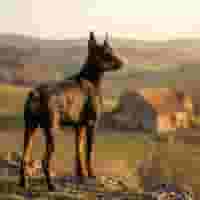

Un Doberman Pinscher è adatto a te?
Tratti di personalità, compatibilità familiare e stile di vita: tutto per decidere.
Un Doberman Pinscher è adatto a te?
Fai il nostro quiz di compatibilità di 1 minuto basato su dati reali dei proprietari
Sappi questo prima di decidere
Important behavioral traits that potential owners should understand:
Dobermans, particularly males, are genetically predisposed to intolerance of other dogs of the same sex. This often manifests at sexual maturity (12-24 months) and is difficult, often impossible, to train out. Male/Male households are strongly discouraged.
Dobermans were bred to stay in close proximity to their handler. They struggle significantly with isolation and can become destructive or vocal if left alone for long periods. Not suitable for homes where everyone is gone 8+ hours a day.
Despite their tough appearance, Dobermans are emotionally 'soft.' They do not respond well to harsh correction and can become neurotic or fearful if treated unfairly.
Widely classified as a 'dangerous breed' by insurance companies and landlords. Many homeowners' insurance policies will cancel coverage or exclude liability. Frequently on rental 'banned breed' lists.
Compatibilità familiare
How Doberman Pinschers typically interact with different family members and pets:
Children (0-5 years)
Doberman Pinschers are typically patient and gentle with young children - always supervise interactions
Tip: Teach children to be gentle, never disturb during eating or sleeping
Children (5-12 years)
Excellent playmates! Doberman Pinschers often bond strongly with school-age children
Tip: Great age to involve kids in feeding, grooming, and training
Teenagers
Doberman Pinschers typically do well with teenagers who can help with exercise and care
Tip: Teens can take on walking and training responsibilities
Other Dogs
Most Doberman Pinschers can live harmoniously with other dogs when properly introduced
Tip: Gradual introductions on neutral territory work best
Cats
High prey drive may make cat cohabitation challenging
Tip: Early socialization with cats increases success
Small Pets (rabbits, hamsters)
Caution advised - most dogs have some prey instinct toward small animals
Tip: Always keep small pets securely housed when dog is present
Compatibilità con la tua situazione abitativa
Apartment
Doberman Pinschers may find apartment living challenging
- Daily walks are essential
- Generally quiet indoors
- Mental stimulation important
House with Yard
Ideal setup for most Doberman Pinschers - space to play and explore
- Secure fencing required
- Supervised outdoor time recommended
- Still needs walks for enrichment
Rural/Farm
Doberman Pinschers thrive with lots of space to run
- Good recall training essential
- Watch for wildlife
- Plenty of room to exercise
First-Time Owner
Doberman Pinschers are excellent for first-time owners - eager to please and trainable
- Basic obedience classes recommended
- Plenty of patience
- Consistent routine
Work From Home
Doberman Pinschers love having their people around all day
- Set boundaries for work time
- Schedule regular breaks for play
- Create a comfortable space for them
Away 8+ Hours
Doberman Pinschers may struggle with long alone time - prone to boredom and anxiety
- Dog walker or daycare strongly recommended
- Puzzle toys essential
- Consider a companion pet
Addestrare il tuo Doberman Pinscher
Highly Trainable
Quick learner, eager to please, excellent for first-time owners
Consigli di addestramento
- Use positive reinforcement
- Start training early
- Keep sessions short and fun
- Consistent commands work best
Bisogni di esercizio
Richiede 60-90 minuti di esercizio quotidiano
Attività consigliate:
- Daily walks (vary routes for mental stimulation)
- Fetch and interactive play
- Puzzle toys and training sessions
Stimolazione mentale
Doberman Pinschers are intelligent dogs that need mental challenges to stay happy and prevent boredom-related behaviors.
Idee:
- Puzzle feeders and treat-dispensing toys
- Short training sessions (10-15 min)
- Nose work and scent games
- New environments and experiences