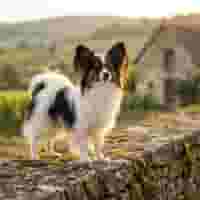

Past een Papillon bij jou?
Karaktertrekken, gezinsmatch en leefstijlfit - alles wat je nodig hebt om te beslissen.
Past een Papillon bij jou?
Doe onze compatibiliteitsquiz van 1 minuut op basis van echte eigenaarservaring
Weet dit voordat u beslist
Important behavioral traits that potential owners should understand:
Papillons possess boldness that disproportionately exceeds their size. They will challenge much larger dogs, leading to tragic outcomes if not protected. This is genuine territorial confidence, not 'yappiness'.
This is a 'velcro' breed bred for centuries as lap companions to nobility. They do not tolerate isolation well. Owners working 8+ hours away often find their Papillon develops severe distress behaviors.
While not mindless yappers, they are vigilant watchdogs. They will announce every delivery truck, doorbell, and passerby. In apartments with thin walls, this can become a lease-breaking issue.
Unlike sturdy Golden Retrievers, Papillons cannot be roughly handled. They are quick to snap if manhandled, making them a poor choice for households with toddlers who lack impulse control.
Gezinscompatibiliteit
How Papillons typically interact with different family members and pets:
Children (0-5 years)
Papillons may need careful introduction and supervision with young children
Tip: Teach children to be gentle, never disturb during eating or sleeping
Children (5-12 years)
Can be good with older children who understand how to interact with dogs
Tip: Great age to involve kids in feeding, grooming, and training
Teenagers
Papillons typically do well with teenagers who can help with exercise and care
Tip: Teens can take on walking and training responsibilities
Other Dogs
Most Papillons can live harmoniously with other dogs when properly introduced
Tip: Gradual introductions on neutral territory work best
Cats
High prey drive may make cat cohabitation challenging
Tip: Early socialization with cats increases success
Small Pets (rabbits, hamsters)
Caution advised - most dogs have some prey instinct toward small animals
Tip: Always keep small pets securely housed when dog is present
Compatibiliteit woonsituatie
Apartment
Papillons can adapt well to apartment living with adequate exercise
- Daily walks are essential
- Generally quiet indoors
- Mental stimulation important
House with Yard
Ideal setup for most Papillons - space to play and explore
- Secure fencing required
- Supervised outdoor time recommended
- Still needs walks for enrichment
Rural/Farm
Papillons thrive with lots of space to run
- Good recall training essential
- Watch for wildlife
- Plenty of room to exercise
First-Time Owner
Papillons are excellent for first-time owners - eager to please and trainable
- Basic obedience classes recommended
- Plenty of patience
- Consistent routine
Work From Home
Papillons love having their people around all day
- Set boundaries for work time
- Schedule regular breaks for play
- Create a comfortable space for them
Away 8+ Hours
Papillons may struggle with long alone time - prone to boredom and anxiety
- Dog walker or daycare strongly recommended
- Puzzle toys essential
- Consider a companion pet
Uw Papillon trainen
Highly Trainable
Quick learner, eager to please, excellent for first-time owners
Trainingtips
- Use positive reinforcement
- Start training early
- Keep sessions short and fun
- Consistent commands work best
Bewegingsbehoefte
Heeft 50-65 minuten dagelijkse beweging nodig
Aanbevolen activiteiten:
- Daily walks (vary routes for mental stimulation)
- Fetch and interactive play
- Puzzle toys and training sessions
Mentale stimulatie
Papillons are intelligent dogs that need mental challenges to stay happy and prevent boredom-related behaviors.
Ideeën:
- Puzzle feeders and treat-dispensing toys
- Short training sessions (10-15 min)
- Nose work and scent games
- New environments and experiences