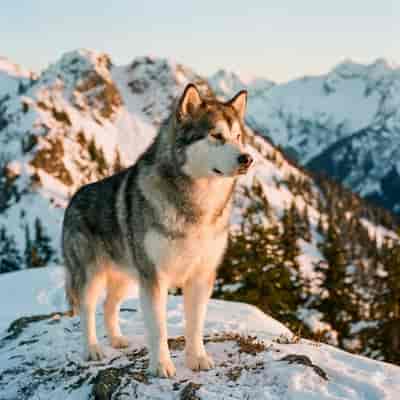

Is a Alaskan Malamute Right for You?
Personality traits, family compatibility, and lifestyle match - everything you need to decide.
Is a Alaskan Malamute Right for You?
Take our 1-minute compatibility quiz based on real owner data
The Alaskan Malamute Personality
Personality traits reported by 10 Alaskan Malamute owners:
8 owners report this trait
7 owners report this trait
6 owners report this trait
6 owners report this trait
5 owners report this trait
5 owners report this trait
4 owners report this trait
4 owners report this trait
3 owners report this trait
Know Before You Commit
Important behavioral traits that potential owners should understand:
Esta é de longe a razão mais comum para a entrega de Alaskan Malamutes adultos. Embora os filhotes possam ser sociáveis, a maturidade sexual (18-24 meses) frequentemente desencadeia intolerância severa em relação a cães do mesmo sexo. Esta característica está geneticamente ligada à sua história como cães de trabalho em matilhas, onde a hierarquia era imposta com violência. Muitas vezes não tem cura com treino, sendo apenas controlável com separação rigorosa.
O Malamute possui uma sequência predatória completa em relação a animais pequenos. São conhecidos por matar gatos, coelhos, pássaros e até cães pequenos. Isto não é agressividade; é uma resposta de alimentação. Se tem animais pequenos, esta raça representa um risco grave.
Como raça de sobrevivência proveniente de um ambiente com recursos escassos, têm tendência a guardar comida, brinquedos e espaços de valor. Isto requer um dono experiente para gerir, não para combater.
São escavadores e escaladores hábeis. Uma vedação padrão de 1,2 m é insuficiente; uma vedação de 1,8 m com proteção anti-escavação (arame ou betão enterrado) é o requisito mínimo.
Family Compatibility
How Alaskan Malamutes typically interact with different family members and pets:
Children (0-5 years)
Alaskan Malamutes are typically patient and gentle with young children - always supervise interactions
Tip: Teach children to be gentle, never disturb during eating or sleeping
Children (5-12 years)
Excellent playmates! Alaskan Malamutes often bond strongly with school-age children
Tip: Great age to involve kids in feeding, grooming, and training
Teenagers
Alaskan Malamutes typically do well with teenagers who can help with exercise and care
Tip: Teens can take on walking and training responsibilities
Other Dogs
Most Alaskan Malamutes can live harmoniously with other dogs when properly introduced
Tip: Gradual introductions on neutral territory work best
Cats
Can learn to live with cats, especially if raised together
Tip: Early socialization with cats increases success
Small Pets (rabbits, hamsters)
Caution advised - most dogs have some prey instinct toward small animals
Tip: Always keep small pets securely housed when dog is present
Living Situation Compatibility
Apartment
Alaskan Malamutes may find apartment living challenging
- Daily walks are essential
- Generally quiet indoors
- Mental stimulation important
House with Yard
Ideal setup for most Alaskan Malamutes - space to play and explore
- Secure fencing required
- Supervised outdoor time recommended
- Still needs walks for enrichment
Rural/Farm
Alaskan Malamutes enjoy rural settings
- Good recall training essential
- Watch for wildlife
- Plenty of room to exercise
First-Time Owner
Alaskan Malamutes may be better suited for experienced owners
- Consider professional training
- Research breed thoroughly
- Be prepared for challenges
Work From Home
Alaskan Malamutes love having their people around all day
- Set boundaries for work time
- Schedule regular breaks for play
- Create a comfortable space for them
Away 8+ Hours
Alaskan Malamutes can handle being alone with proper setup
- Gradual training to be alone
- Enrichment toys
- Morning exercise before leaving
Training Your Alaskan Malamute
Independent Thinker
Intelligent but may have their own agenda - not for novice owners
Training Tips:
- Establish yourself as leader early
- Make training fun and rewarding
- Consider professional help
- Be very patient and consistent
Common Challenges:
- May ignore commands if uninterested
- Requires experienced handler
- Need strong boundaries
Pro tip: Consider professional training classes, especially for first-time Alaskan Malamute owners. Group classes also provide valuable socialization.
Behavioral Patterns to Know
Some behaviors reported by Alaskan Malamute owners that may need attention:
Destructive
May chew or destroy items when bored or anxious
How to manage:
- Provide appropriate chew toys
- Crate train for alone time
Pulling the leash
Tendency to pull on leash during walks
How to manage:
- Use front-clip harness
- Practice loose-leash walking
Jumping
Jumps up on people when greeting
How to manage:
- Ignore jumping behavior
- Reward four feet on floor
Remember: These percentages show how many owners report this behavior, not severity. Most can be managed with proper training.
Exercise Needs
Needs 90-120 minutes of daily exercise
Recommended Activities:
- Daily walks (vary routes for mental stimulation)
- Fetch and interactive play
- Puzzle toys and training sessions
Mental Stimulation
Alaskan Malamutes are intelligent dogs that need mental challenges to stay happy and prevent boredom-related behaviors.
Ideas:
- Puzzle feeders and treat-dispensing toys
- Short training sessions (10-15 min)
- Nose work and scent games
- New environments and experiences