Alaskan Malamute vs Australian Cattle Dog
Uma comparação lado a lado para te ajudar a encontrar a raça certa para o teu estilo de vida.
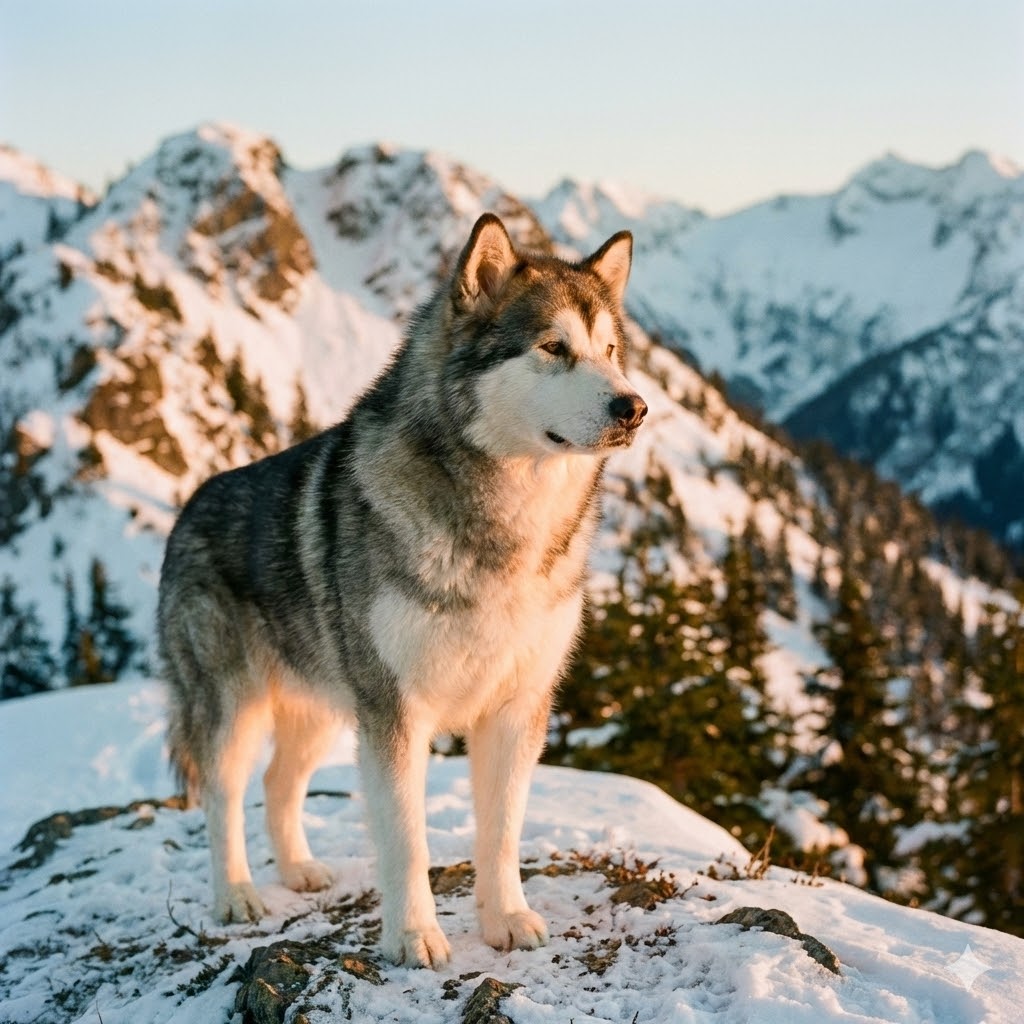
Alaskan Malamute
The Alaskan Malamute is a powerful and robust sled dog known for its strength, endurance, and friendly nature. Originating from the Arctic regions, this breed is characterized by its thick double coat, erect ears, and distinct plume-like tail, making it well-suited for harsh, cold environments.
Grande
Alto
10-14 anos
N/A
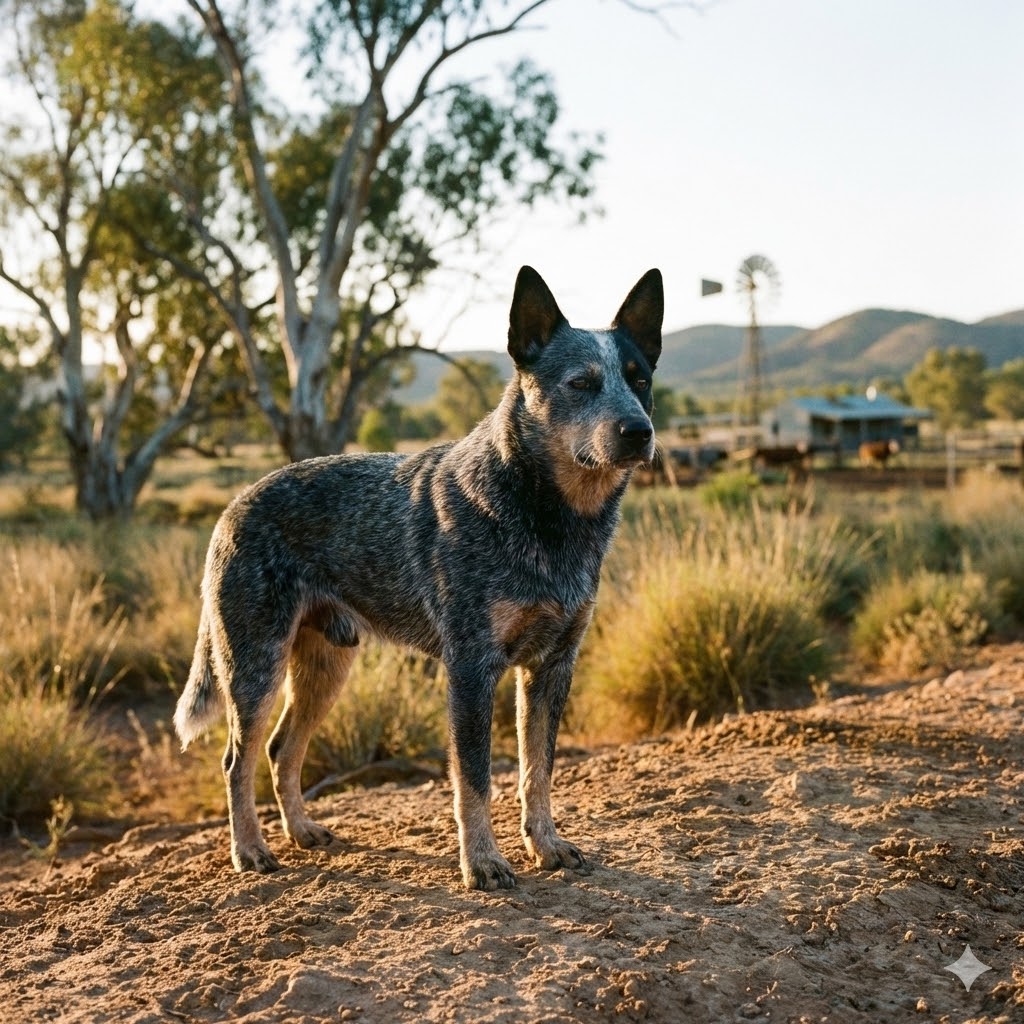
Australian Cattle Dog
Também conhecido como: Blue Heeler, Red Heeler, Queensland Heeler, ACD, Heeler
The Australian Cattle Dog (ACD), widely known as the Blue or Red Heeler, is a canine of paradoxes: fiercely loyal yet fiercely independent, highly trainable yet stubbornly autonomous, and ruggedly durable yet prone to specific genetic vulnerabilities. Bred to drive half-wild cattle across the harsh Australian outback, this medium-sized dog thrives on having a job and will create chaos without one.
Médio
Alto
12-16 anos
43-51 cm
Comparação Rápida
| Característica | Alaskan Malamute | Australian Cattle Dog |
|---|---|---|
| Energia | ||
| Capacidade de Treino | ||
| Necessidades de Tosa | ||
| Amigo da Família | ||
| Independência |
Características Principais
| Bom com Crianças | ||
| Bom com Cães | ||
| Bom com Gatos | ||
| Hipoalergénico | ||
| Adequado para Apartamento | ||
| Adequado para Donos de Primeira Vez |
| Detalhe | Alaskan Malamute | Australian Cattle Dog |
|---|---|---|
| Tamanho | Grande | Médio |
| Nível de Energia | Alto | Alto |
| Tosa | Alto | Médio |
| Capacidade de Treino | Desafiador | Moderado |
| Nível de Latidos | Alto | Médio |
| Nível de Perda de Pelo | Alto | Médio |
| Força de mordida | Forte | Forte |
| Habitação | Com quintal | Terreno amplo |
Perfil do Dono & Guia de Decisão
Compatibilidade com o Dono
| Característica | Alaskan Malamute | Australian Cattle Dog |
|---|---|---|
| Nível de Experiência | Experienced | Advanced |
| Dono de Primeira Vez | ||
| Dono Ideal | Active individual or family who can provide adequate exercise and training for a Alaskan Malamute. | Experienced dog owner with active lifestyle (running, hiking, biking). Works from home or has flexible schedule. Ideally has access to land, livestock work, or dog sports. Committed to ongoing training and socialization. Understands and accepts heeling/nipping as a breed trait to be managed, not 'fixed.' |
Pontos Críticos do Alaskan Malamute
- Cannot meet 90-120 min daily exercise
- Cannot tolerate heavy shedding
Pontos Críticos do Australian Cattle Dog
- Sedentary lifestyle - if you want to watch TV after work, don't get this dog
- Small children in household - high risk of nipping kids under 8-10 years
- Want a friendly dog for guests - they guard their home and are suspicious of strangers
- No experience reading canine body language
Risco de Abandono
| Fator | Alaskan Malamute | Australian Cattle Dog |
|---|---|---|
| Nível de Risco | Médio | Alto |
| Razões Principais | Underestimated exercise needs, Behavioral challenges, Cost of care | Heeler Nipping - biting children who run, Destructive Behavior from boredom/insufficient exercise, The 'Bluey Effect' - media creates unrealistic expectations |
Temperamento & Personalidade
Comparação de Comportamento
| Característica | Alaskan Malamute | Australian Cattle Dog |
|---|---|---|
| Instinto de Caça | ||
| Capacidade de Guarda | ||
| Amigável com Estranhos | ||
| Nível de Babas | ||
| Tendência para Fugir |
Vocalização
| Característica | Alaskan Malamute | Australian Cattle Dog |
|---|---|---|
| Nível de Latidos | Alto | Médio |
| Tendência para Uivar | ||
| Tendência para Gemer | Baixo | Alto |
| Vocalização por Separação |
Segurança & Fiabilidade
| Característica | Alaskan Malamute | Australian Cattle Dog |
|---|---|---|
| Fugitivo | ||
| Adequado para Parque de Cães | ||
| Fiável sem Trela | ||
| Seguro com Animais Pequenos | ||
| Reatividade na Trela | ||
| Risco de Guarda de Recursos | Baixo | Moderado |
Traços Sociais do Alaskan Malamute
Moderado
Selective
Traços Sociais do Australian Cattle Dog
Alto
Often intolerant of strange dogs, especially same-sex at 18-24 months
Treino
Alaskan Malamute
- ** "What's in it for me?" The Malamute is not eager to please; they are eager to earn.
- s:** Positive reinforcement (food-based) is the only effective method. Harsh corrections trigger defensive aggression in this primitive breed [cite: 22].
Australian Cattle Dog
- Use their drive (toys/play) rather than just food as rewards
- Keep training sessions short and varied
- Start bite inhibition training on day one - this is non-negotiable
- Extensive socialization before 14 weeks is critical for managing stranger wariness
Considerações sobre Alaskan Malamute
This is the single most common reason for rehoming adult Malamutes. While puppies may be social, sexual maturity (18-24 months) often triggers severe intolerance of dogs of the same sex. This trait is genetically linked to their history as working pack dogs where hierarchy was enforced with violence. It is often curable with training, only manageable with strict separation.
The Malamute possesses a "Full" predatory sequence toward small animals. They are known to kill cats, rabbits, birds, and even small dogs. This is not aggression; it is a feeding response. If you have small pets, this breed is a severe risk.
As a survivalist breed from a resource-scarce environment, they are prone to guarding food, toys, and high-value spaces. This requires an experienced handler to manage, not combat.
They are expert diggers and climbers. A standard 4-foot fence is insufficient; 6-foot fencing with dig guards (buried wire/concrete) is the minimum requirement.
Considerações sobre Australian Cattle Dog
Bred to move stubborn cattle by biting at their heels, this instinct translates to nipping running children, joggers, bicycles, and even cars. This is a feature, not a bug - but it's the #1 reason families surrender this breed for 'aggression.'
Unlike friendly Golden Retrievers, ACDs are genetically programmed to be suspicious. They are natural watchdogs that can escalate to fear-aggression without extensive early socialization. They guard their home, car, and person intensely.
They bond intensely to one person while merely tolerating others. They will follow you to the bathroom and may develop severe separation anxiety if excluded from family activities. They want to be in the same room as their person at all times.
Particularly in females, ACDs often become selective and intolerant of other dogs upon reaching social maturity (18-24 months). Dog parks are often a poor fit for this breed.
Compatibilidade Multiespecies
| Espécie | Alaskan Malamute | Australian Cattle Dog |
|---|---|---|
| Com Gatos | Caution - may chase | Caution - can coexist with dog-savvy cats if raised from puppyhood, but will chase if the cat runs |
| Pequenos Mamíferos | Supervision required | Unsafe - terrier/dingo heritage makes them dangerous to rodents and rabbits |
| Pássaros / Répteis | Caution advised | High risk - movement triggers predatory chase |
Comportamento Avançado
| Característica | Alaskan Malamute | Australian Cattle Dog |
|---|---|---|
| Risco de Sequência Predatória | Médio | Arrested (High Drive) |
| Obediência | Baixo | High (but Selective) |
| Sensibilidade ao Ruído | Baixo | Baixo |
| Latidos Territoriais | ||
| Início de Agressividade entre Mesmo Sexo | 18 months | 18 months |
Australian Cattle Dog: Predatory sequence is Eye → Stalk → Chase → Grab-Bite (Nip). The 'kill' is inhibited for large animals but for small animals (cats, squirrels), it can proceed further. They are pragmatic - they need a reason to obey, unlike Border Collies who work for the sake of work.
Primeiro Ano & Fases de Vida
Desafios do Primeiro Ano
| Desafio | Alaskan Malamute | Australian Cattle Dog |
|---|---|---|
| Dificuldade como Cachorro | ||
| Fase Destrutiva | 6-24 | 6-18 |
| Treino de Casa | Desafiador | Médio |
| Treino de Canil | Médio | Alto |
| Regressão Adolescente |
Alaskan Malamute: Alaskan Malamute puppies require consistent training and patience.
Australian Cattle Dog: ACD puppies are 'land sharks' - they nip heels, pant legs, and hands with intent. Unlike a mouthy Lab, these nips are meant to control and can break skin. Immediate boundary setting regarding biting is critical.
Linha do Tempo das Fases de Vida
| Fase | Alaskan Malamute | Australian Cattle Dog |
|---|---|---|
| Fase de Cachorro | 12 months | 12 months |
| Adolescência | 6-18 | 12-36 |
| Anos Adultos | 2-8 | 3-9 |
| Início Sénior | ~8 years | ~10 years |
| Idade de Pico de Energia | 1-3 years | 1-3 years |
Tamanho & Características Físicas
Dados Físicos
| Medida | Alaskan Malamute | Australian Cattle Dog |
|---|---|---|
| Altura | N/A | 43-51 cm |
| Peso | Ainda não há dados suficientes | Ainda não há dados suficientes |
| Categoria de Tamanho | Grande | Médio |
| Esperança de Vida | 10–14 anos | 12–16 anos |
| Tamanho da Ninhada | 4-8 | 5-7 |
Pelagem do Alaskan Malamute
Pelagem do Australian Cattle Dog
Linhagem & Origem
| Detalhe | Alaskan Malamute | Australian Cattle Dog |
|---|---|---|
| Propósito Original | speed/endurance with light loads), the Malamute was bred for heavy freighting at slow speeds | Driving half-wild cattle across vast Australian outback distances by nipping at heels |
| Origem | severe structural and joint issues | New South Wales, Australia, 19th century |
Detalhes de Criação
| Detalhe | Alaskan Malamute | Australian Cattle Dog |
|---|---|---|
| Taxa de Cesariana | Varies | Baixo |
| Dificuldade no Parto | Médio | Fácil |
| Taxa de Mortalidade de Cachorros | Baixo | Baixo |
Riscos Físicos
| Risco | Alaskan Malamute | Australian Cattle Dog |
|---|---|---|
| Risco de Torção Gástrica / GDV | Baixo | Baixo |
| Risco em Superfícies Escorregadias | Baixo | Baixo |
| Altura Mínima de Vedação | 1.5m | 1.5m |
| Risco de Cavar / Fugir | Baixo | Médio |
Saúde & Condições Comuns
Problemas de Saúde do Alaskan Malamute
Problemas de Saúde do Australian Cattle Dog
Testes Recomendados para Alaskan Malamute
- OFA/PennHIP screening
- DNA test for NDRG1 gene mutation (AMPN)
- Genetic screening for Chondrodysplasia
- DNA test for Cone Degeneration
Testes Recomendados para Australian Cattle Dog
- BAER (Brainstem Auditory Evoked Response) at 6 weeks
- Genetic testing for prcd-PRA
- Genetic testing for PLL
- Hip Evaluation (OFA)
- Elbow Evaluation
Panorama de Riscos de Saúde
| Fator de Risco | Alaskan Malamute | Australian Cattle Dog |
|---|---|---|
| Risco de Cancro | Médio | Baixo |
| Risco Cardíaco | Baixo | Baixo |
| Risco Neurológico | Baixo | Baixo |
| Risco de Rotura CCL/ACL | Baixo | Alto |
| Nível de Encargos Veterinários | Médio | Médio |
Sensibilidades & Alergias
| Sensibilidade | Alaskan Malamute | Australian Cattle Dog |
|---|---|---|
| Alergias de Pele | ||
| Alergias Ambientais | ||
| Sensibilidade Gástrica | Baixo | Baixo |
| Alergias Alimentares | Generally hardy |
Manutenção de Saúde
| Item de Cuidado | Alaskan Malamute | Australian Cattle Dog |
|---|---|---|
| Taxa de Crescimento das Unhas | Normal | Fast |
| Necessidades de Cuidados Oculares | Baixo | Médio |
| Problemas de Glândulas Anais | Occasional | Rare |
Cuidados Séniores & Envelhecimento
Cuidados Séniores do Alaskan Malamute
Problemas Séniores Comuns
- Arthritis
- Vision decline
- Cognitive changes
Senior care varies by individual health.
Cuidados Séniores do Australian Cattle Dog
Problemas Séniores Comuns
- Arthritis
- Deafness (age-related on top of genetic risk)
- Blindness from PRA
They age remarkably well compared to other breeds. Many remain active into their teens. Longevity is a breed hallmark - the oldest verified dog ever was an ACD named Bluey who lived to 29 years.
Tosa & Cuidados
Alaskan Malamute
Manutenção highAustralian Cattle Dog
Manutenção mediumCompatibilidade de Estilo de Vida
Vida Diária do Alaskan Malamute
Vida Diária do Australian Cattle Dog
Habitação & Restrições Legais
| Restrição | Alaskan Malamute | Australian Cattle Dog |
|---|---|---|
| Restrito por BSL | ||
| Proibição Comum em Arrendamentos | ||
| Lista Negra de Seguros | ||
| Categoria de Peso | Under 50lbs | 25-50lbs |
Tolerância Climática
| Clima | Alaskan Malamute | Australian Cattle Dog |
|---|---|---|
| Tolerância ao Calor | ||
| Tolerância ao Frio | ||
| Afinidade com a Água | Médio | Médio |
Compatibilidade de Viagem
| Atividade | Alaskan Malamute | Australian Cattle Dog |
|---|---|---|
| Viagens de Carro | Bom | Excelente |
| Campismo | ||
| Adequado para Praia | ||
| Classificação para Caminhadas | ||
| Elegível para Voo na Cabine | ||
| Tamanho Adequado para Hotel |
Adequação a Nichos
| Função | Alaskan Malamute | Australian Cattle Dog |
|---|---|---|
| Cão de Assistência | Baixo | Médio |
| Cão de Terapia | Baixo | Baixo |
| Terapia de Pressão Profunda | ||
| Canicross / Bikejoring | ||
| Adaptável a Apartamento | ||
| Adequado Tatilmente / Sensorialmente | ||
| Guardião de Rebanho | ||
| Alerta Médico | Baixo | Baixo |
Custos & Despesas
Custos Iniciais
| Custo | Alaskan Malamute | Australian Cattle Dog |
|---|---|---|
| Preço de Compra | N/A | $800-2,500 |
| Intervalo de Custo Inicial | $1,000–$2,500 | $800–$2,500 |
| Nível de Custo |
Custos Contínuos
| Custo | Alaskan Malamute | Australian Cattle Dog |
|---|---|---|
| Intervalo Mensal | $140–$220 | $100–$200 |
| Intervalo Anual | $1,680–$2,640 | $1,500–$2,500 |
| Alimentação / Mês | $80-120 | $40-100 |
| Seguro / Mês | $60-100 | $40-70 |
| Tosa / Sessão | $100-150 | $30-50 |
| Consulta Veterinária Rotina / Ano | $50-80 | $400-800 |
| Nível de Custo Mensal |
Custo de Vida do Alaskan Malamute
N/A
Custo de Vida do Australian Cattle Dog
$18,000-35,000
Curiosidades & Factos Divertidos
Curiosidades do Dia a Dia
| Curiosidade | Alaskan Malamute | Australian Cattle Dog |
|---|---|---|
| Ronco | ||
| Flatulência | Occasional | Rare |
| Nível de Baba | Baixo | None |
| Cheiro Quando Molhado | Moderado | Mild |
| Frequência dos Zoomies | Occasional | Daily |
| Roubo de Bancada | ||
| Tendência para Cavar | Baixo | Médio |
Curiosidades do Australian Cattle Dog
The Heeler Nip
Will attempt to herd anything that moves - children, joggers, bicycles, cars, vacuum cleaners - by nipping at heels
Shrimping
Unique sleeping position where they tuck all legs and curl into a tight ball, resembling a shrimp
The Cattle Dog Sit
Often sit lazily on one hip with legs kicked out to the side - this is normal, not a sign of hip dysplasia
Dingo Whine
A specific high-pitched whine used to manipulate owners or express frustration - inherited from their Dingo ancestry
Oral Fixation
Mouthy dogs that explore the world with their mouth well into adulthood
Stoic Pain Tolerance
Will run on a broken leg if adrenaline is high - owners must be vigilant for subtle signs of injury
Perguntas Frequentes
Transforma o teu cão num negócio.
As marcas de animais de estimação procuram criadores autênticos — não celebridades. Se tens um Alaskan Malamute ou Australian Cattle Dog, podes receber produtos, equipamentos e regalias exclusivas só por partilhares a vida do teu cão no Instagram.
Sem mínimo de seguidores · Grátis para aderir
Baseado em dados abrangentes de investigação sobre raças.
Ver perfil de Alaskan Malamute·Ver perfil de Australian Cattle Dog