ModerateOrtopédico & Articulações
Patellar Luxation in Dogs
Patellar Luxation is a health condition that can affect dogs of various breeds. The severity and treatment options vary depending on the individual case.
Affected Breeds29
Dog Breeds Affected by Patellar Luxation
Data from 29 breed health profiles

Flat-Coated Retriever
23.6% prevalence

Chow Chow
17.2% - 23.7% abnormal across multi-year OFA evaluations prevalence
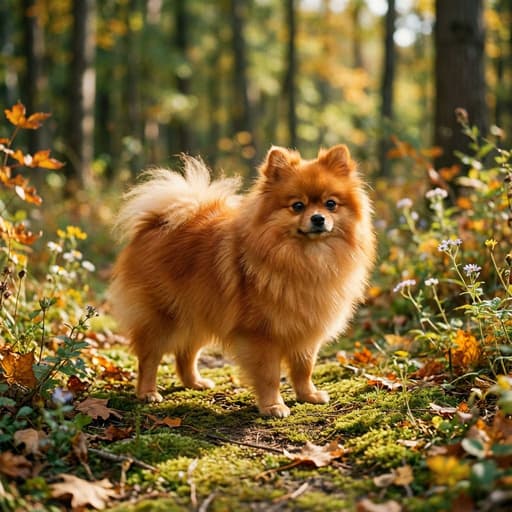
Pomeranian
6.5%-29% prevalence

Shih-Poo
6.0% in parent breed Poodle and 2.1% in parent breed Shih Tzu (OFA) prevalence

American Eskimo Dog
5.6% prevalence

Yorkshire Terrier
5.5-26% prevalence
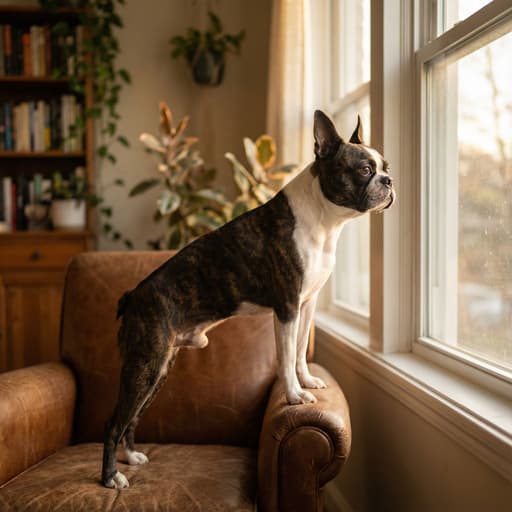
Boston Terrier
5-9% prevalence

Chihuahua
4.0% prevalence prevalence

West Highland White Terrier
4.0% - 5.5% prevalence

Cairn Terrier
3.7% in UK KC survey; OFA PL registry abnormal rate ~2.5% prevalence

Bichon Frise
Moderate to High (OFA abnormal rate 3.3% voluntary submission; Swedish Kennel Club screening documented 12.0%; heritability estimated at 0.21) prevalence

Boykin Spaniel
3.0% - 4.5% abnormal in OFA registry prevalence
Symptoms to Watch For
- Behavioral changes
- Physical discomfort
- Changes in appetite or activity
- Consult your vet for specific symptoms
If you notice any of these symptoms in your dog, consult your veterinarian promptly.
Prevention & Management
Regular vet checkups
Maintain healthy lifestyle
Early detection through monitoring
Genetic testing when available
Related Health Issues
Frequently Asked Questions
What is Patellar Luxation in dogs?
Patellar Luxation is a health condition that can affect dogs of various breeds. The severity and treatment options vary depending on the individual case.
Which dog breeds are most affected by Patellar Luxation?
Based on breed health data, Patellar Luxation is commonly reported in Flat-Coated Retriever, Chow Chow, Pomeranian, and 26 other breeds. Some breeds may have higher prevalence rates than others.
How can I prevent Patellar Luxation in my dog?
Prevention strategies include: Regular vet checkups; Maintain healthy lifestyle; Early detection through monitoring; Genetic testing when available. Always consult with your veterinarian for personalized advice.
What are the symptoms of Patellar Luxation?
Common symptoms include: Behavioral changes; Physical discomfort; Changes in appetite or activity; Consult your vet for specific symptoms. If you notice any of these signs, consult your veterinarian promptly.
Medical Disclaimer
This information is for educational purposes only and is not a substitute for professional veterinary advice. Always consult with a qualified veterinarian for diagnosis and treatment of health conditions in your dog.
All Issues
Browse directory
Top Issues
Most common conditions
Dog Breeds
Breed health profiles