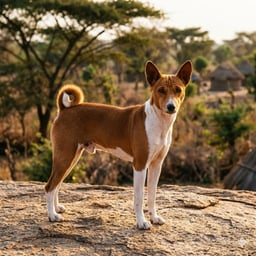
Basenji Health Problems & Prevention
Common health issues, symptoms to watch for, and how to keep your Basenji healthy.
Common Basenji health problems
Based on veterinary research and breed health studies
A health condition that may affect some Basenji dogs based on owner reports.
Symptoms to Watch For
- Behavioral changes
- Physical discomfort
- Changes in appetite or activity
Prevention Tips
- Regular vet checkups
- Maintain healthy lifestyle
- Early detection through monitoring
Inherited eye disease causing gradual vision loss leading to blindness, with no cure available.
Symptoms to Watch For
- Night blindness first
- Dilated pupils
- Reluctance to go in dark areas
- Bumping into objects
Prevention Tips
- Genetic testing before breeding
- No known prevention
- Ask breeders for DNA test results
- Adapt home for blind dog
A health condition that may affect some Basenji dogs based on owner reports.
Symptoms to Watch For
- Behavioral changes
- Physical discomfort
- Changes in appetite or activity
Prevention Tips
- Regular vet checkups
- Maintain healthy lifestyle
- Early detection through monitoring
Underactive thyroid gland leading to metabolic slowdown, common in middle-aged dogs.
Symptoms to Watch For
- Weight gain despite normal diet
- Lethargy
- Cold intolerance
- Skin and coat problems
Prevention Tips
- Regular blood screening
- Thyroid checks at annual exam
- Watch for weight gain and low energy
- Daily medication keeps it well controlled
A genetic condition where the hip joint doesn't develop properly, causing the ball and socket to grind instead of sliding smoothly.
Symptoms to Watch For
- Limping or bunny-hopping gait
- Difficulty rising or jumping
- Reduced activity or reluctance to exercise
- Loss of muscle mass in hind legs
Prevention Tips
- Maintain healthy weight
- Avoid over-exercising puppies
- Ask your vet about joint supplements
- Choose reputable breeders with hip-tested parents
Recommended Genetic Tests
Ask breeders for these health clearances before buying a puppy
As a medium breed, Basenji dogs have a balanced health profile:
Allergies
Skin and food sensitivities are common across all breeds
Joint Issues
May develop with age but less common than in large breeds
Ear Infections
Especially if the breed has floppy ears
Weight Management
Moderate calorie needs require attention
Basenji health timeline
What to focus on at each life stage to keep your Basenji healthy.
Puppy
0-1 year
- Complete vaccination series
- Discuss spay/neuter timing with your vet
- Socialization and training foundation
- Deworming and parasite prevention
- Establish dental care routine
Every 3-4 weeks until 16 weeks, then at 6 and 12 months
Adult
1-7 years
- Annual wellness exams and vaccinations
- Dental cleaning as needed
- Maintain healthy weight
- Watch for early signs of breed-specific conditions
- Regular heartworm and flea prevention
Annually, more often if concerns arise
Senior
7+ years
- Wellness exams every 6 months
- Blood work and organ function screening
- Joint supplements and pain management
- Adjust diet for senior needs
- Watch for common age-related conditions in Basenji dogs
Every 6 months, with comprehensive bloodwork annually
Questions to Ask Your Vet About Basenjis
What breed-specific health screenings do you recommend?
Are there any genetic tests available for common Basenji conditions?
What is the ideal weight range for my Basenji?
When should we start joint supplements or senior care?
What early warning signs should I watch for, given this breed's health profile?
Do you recommend pet insurance for Basenjis?
Frequently Asked Questions
What are the most common health issues in Basenjis?
How long do Basenjis typically live?
Are Basenjis prone to allergies?
How often should I take my Basenji to the vet?
Should I get pet insurance for my Basenji?
Embed This Health Widget
Add Basenji health info to your website
<iframe src="https://dogfluence.com/embed/breed-health/basenji" width="400" height="500" frameborder="0" style="border-radius: 12px; box-shadow: 0 2px 8px rgba(0,0,0,0.1);"></iframe>