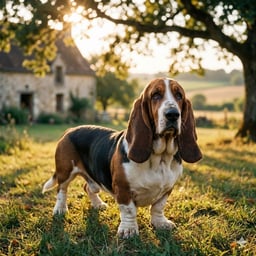
Is a Basset Hound right for you?
Personality traits, family compatibility, and lifestyle match - everything you need to decide.
Is a Basset Hound right for you?
Take our 1-minute compatibility quiz based on this breed's traits
Know Before You Commit
Important behavioral traits that potential owners should understand:
Bassets were bred to track scent trails independently for miles. They have selective hearing and will ignore commands if they don't see value in them. Food motivation is essential for any training success.
As pack animals, Bassets have a profound need for companionship. Left alone, they produce a loud, mournful bay that penetrates walls and travels long distances - a serious liability in apartments or close-neighbor situations.
Notoriously difficult to housebreak - their independent nature and physical structure make this a multi-month (6-12 months) battle. Accidents may persist into adulthood.
When they catch a scent, their ears literally fold forward to block sound, focusing entirely on the smell. Recall is non-existent - they will wander into traffic without a secure fence.
Family Compatibility
How Basset Hounds typically get along with different family members and pets:
Children (0-5 years)
Basset Hounds are typically patient and gentle with young children - always supervise interactions
Tip: Teach children to be gentle and never disturb the dog while eating or sleeping
Children (5-12 years)
Excellent playmates! Basset Hounds often bond strongly with school-age children
Tip: A great age to involve kids in feeding, grooming and training
Teenagers
Basset Hounds typically do well with teenagers who can help with exercise and care
Tip: Teens can take on walking and training responsibilities
Other dogs
Most Basset Hounds can live happily with other dogs when properly introduced
Tip: Gradual introductions on neutral territory work best
Cats
Can learn to live with cats, especially if raised together
Tip: Early socialization with cats increases success
Small pets (rabbits, hamsters)
Caution advised - most dogs have some prey instinct toward small animals
Tip: Always keep small pets securely housed when the dog is around
Living Situation Compatibility
Apartment
Basset Hounds may find apartment living challenging
- Daily walks are essential
- Generally quiet indoors
- Mental stimulation is important
House with yard
An ideal setup for most Basset Hounds - space to play and explore
- Secure fencing required
- Supervised outdoor time recommended
- Still needs walks for enrichment
Rural/farm
Basset Hounds enjoy rural settings
- Good recall training is essential
- Watch out for wildlife
- Plenty of room to exercise
First-time owner
Basset Hounds may be better suited to experienced owners
- Consider professional training
- Research the breed thoroughly
- Be prepared for challenges
Work from home
Basset Hounds love having their people around all day
- Set boundaries for work time
- Schedule regular play breaks
- Create a comfortable space for them
Away 8+ hours
Basset Hounds can handle time alone with the right setup
- Gradual training to be alone
- Enrichment toys
- Morning exercise before leaving
Training Your Basset Hound
Independent thinker
Intelligent but may have their own agenda - not ideal for novice owners
Training Tips
- Set clear, consistent rules early
- Make training fun and rewarding
- Consider professional help
- Be very patient and consistent
Common Challenges
- May ignore commands if uninterested
- Needs an experienced handler
- Needs clear boundaries
Pro tip: Consider professional training classes, especially for first-time Basset Hound owners. Group classes also provide valuable socialization.
Exercise Needs
Needs 30-60 minutes of daily exercise
Recommended Activities:
- Daily walks (vary routes for mental stimulation)
- Fetch and interactive play
- Puzzle toys and training sessions
Mental Stimulation
Like most dogs, Basset Hounds need mental challenges to stay happy and avoid boredom-related behavior.
Ideas:
- Puzzle feeders and treat-dispensing toys
- Short training sessions (10-15 min)
- Nose work and scent games
- New environments and experiences