Great Pyrenees vs Papillon
A side-by-side comparison to help you find the right breed for your lifestyle.
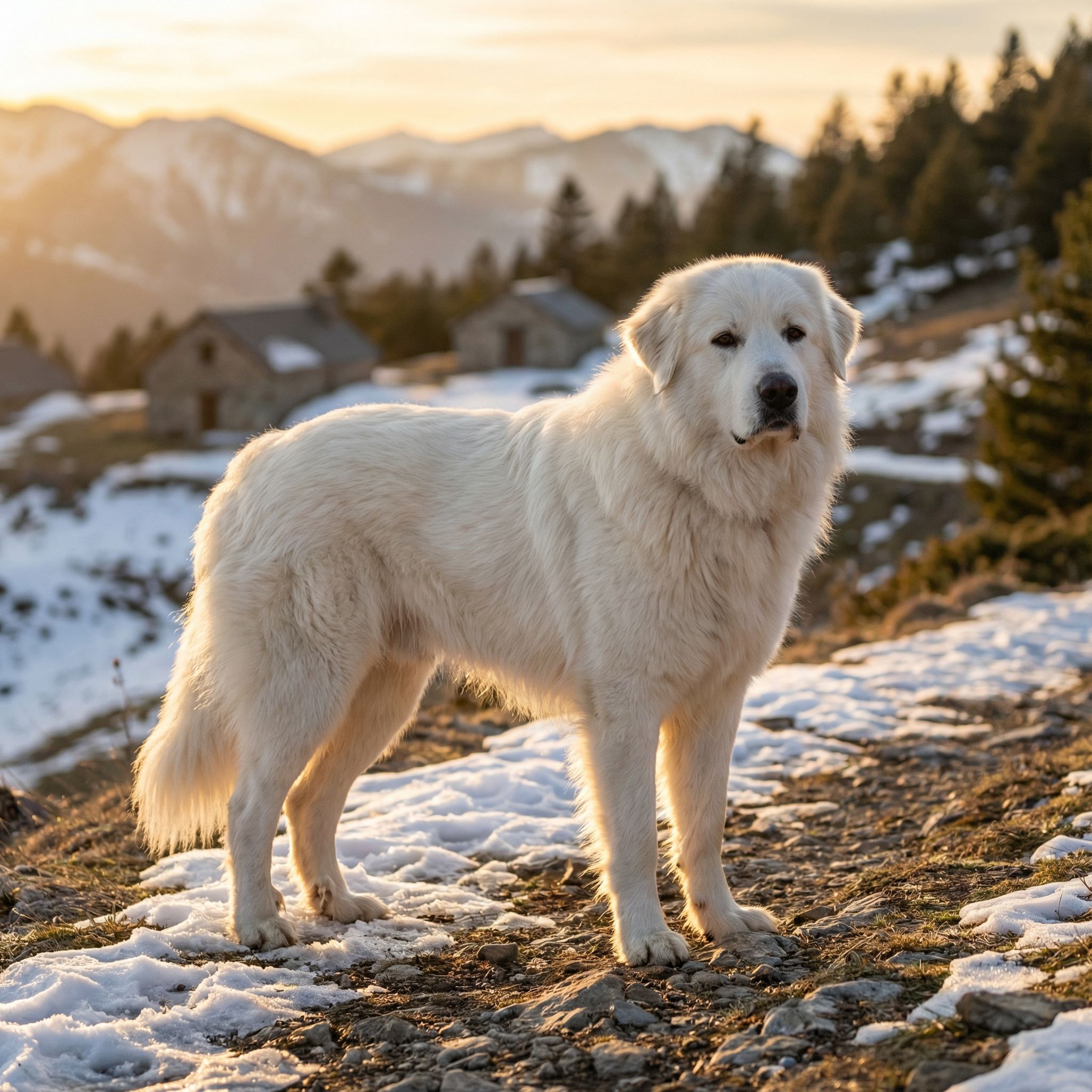
Great Pyrenees
Also known as: Pyr, Pyrenean Mountain Dog, Chien de Montagne des Pyrenees
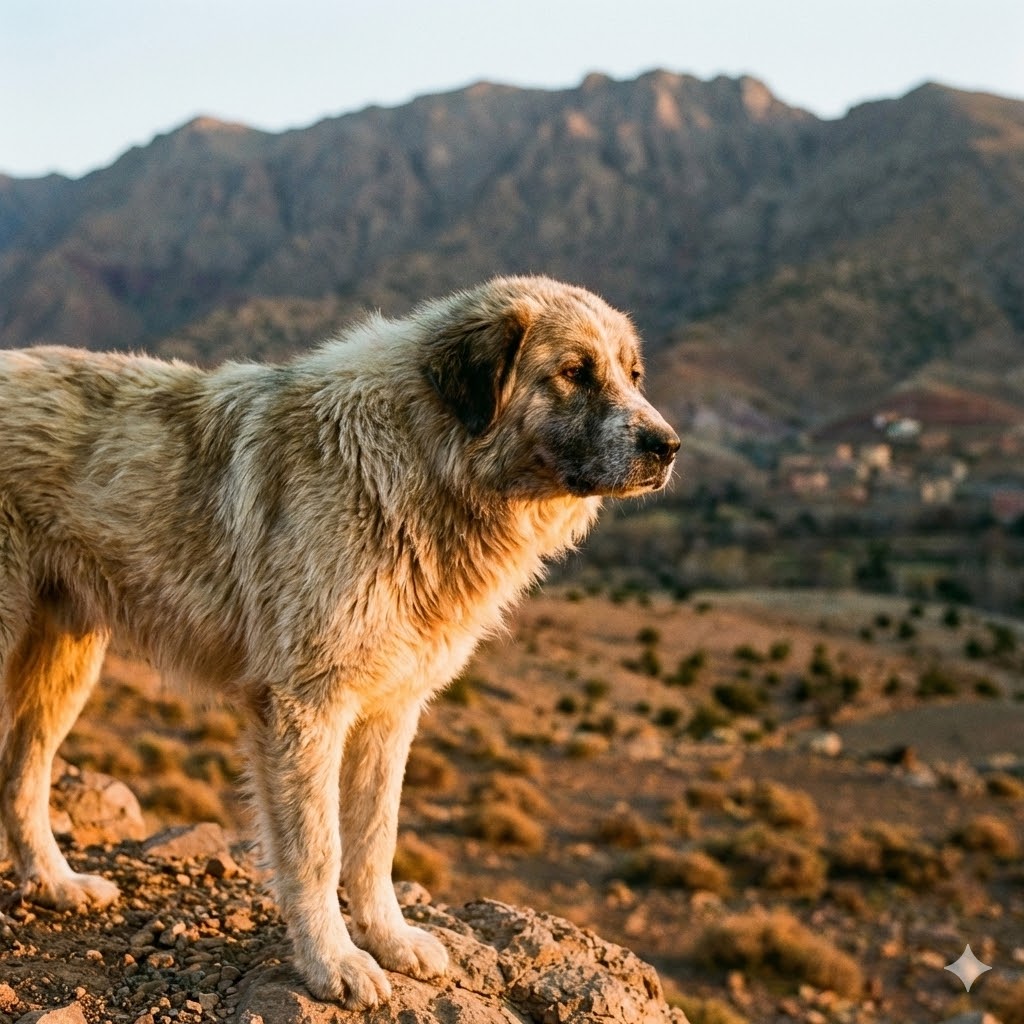
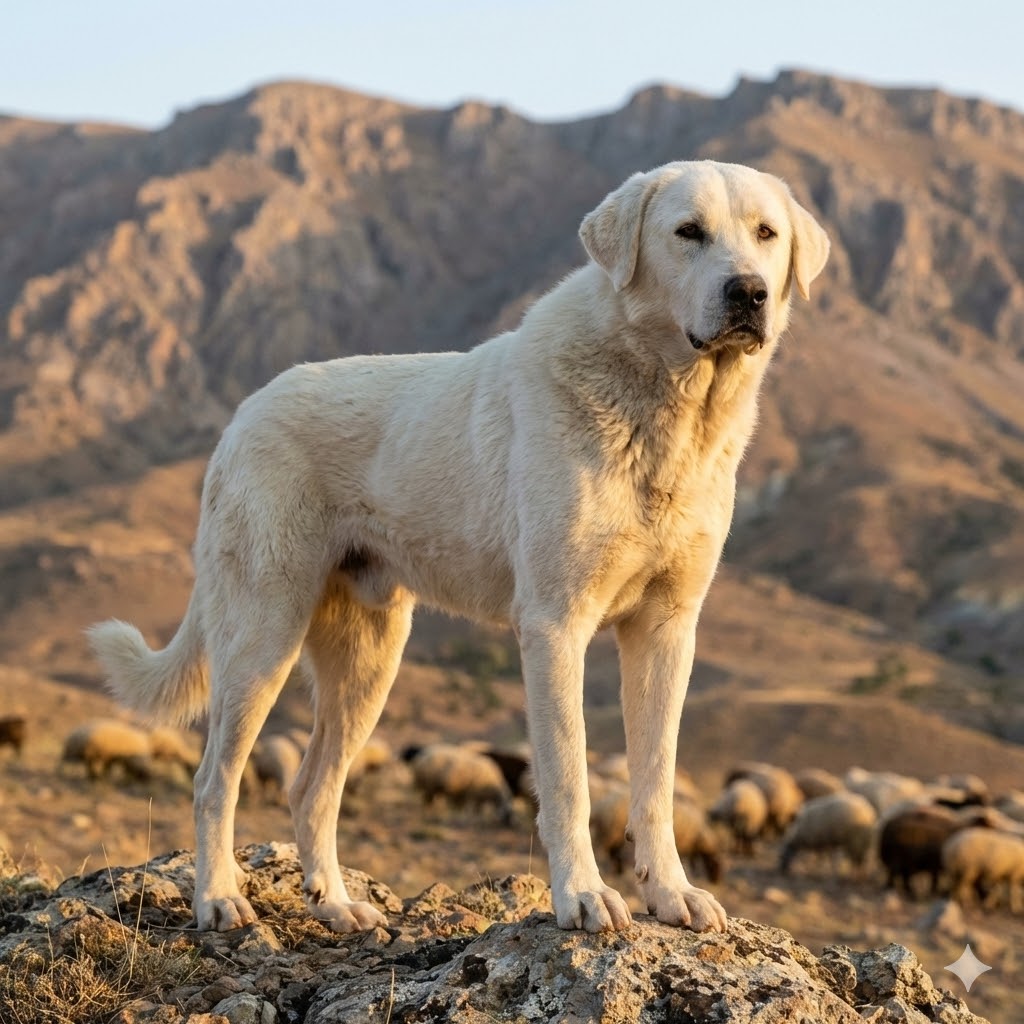
The Great Pyrenees is a majestic livestock guardian weighing 38-72 kg, bred to work independently in the Pyrenees Mountains. While gentle with family, their nocturnal barking, roaming instinct, and independent nature require experienced owners with secure fencing. Not recommended for apartments or first-time owners.
Extra Large
Medium
10-12 yrs
65-82 cm
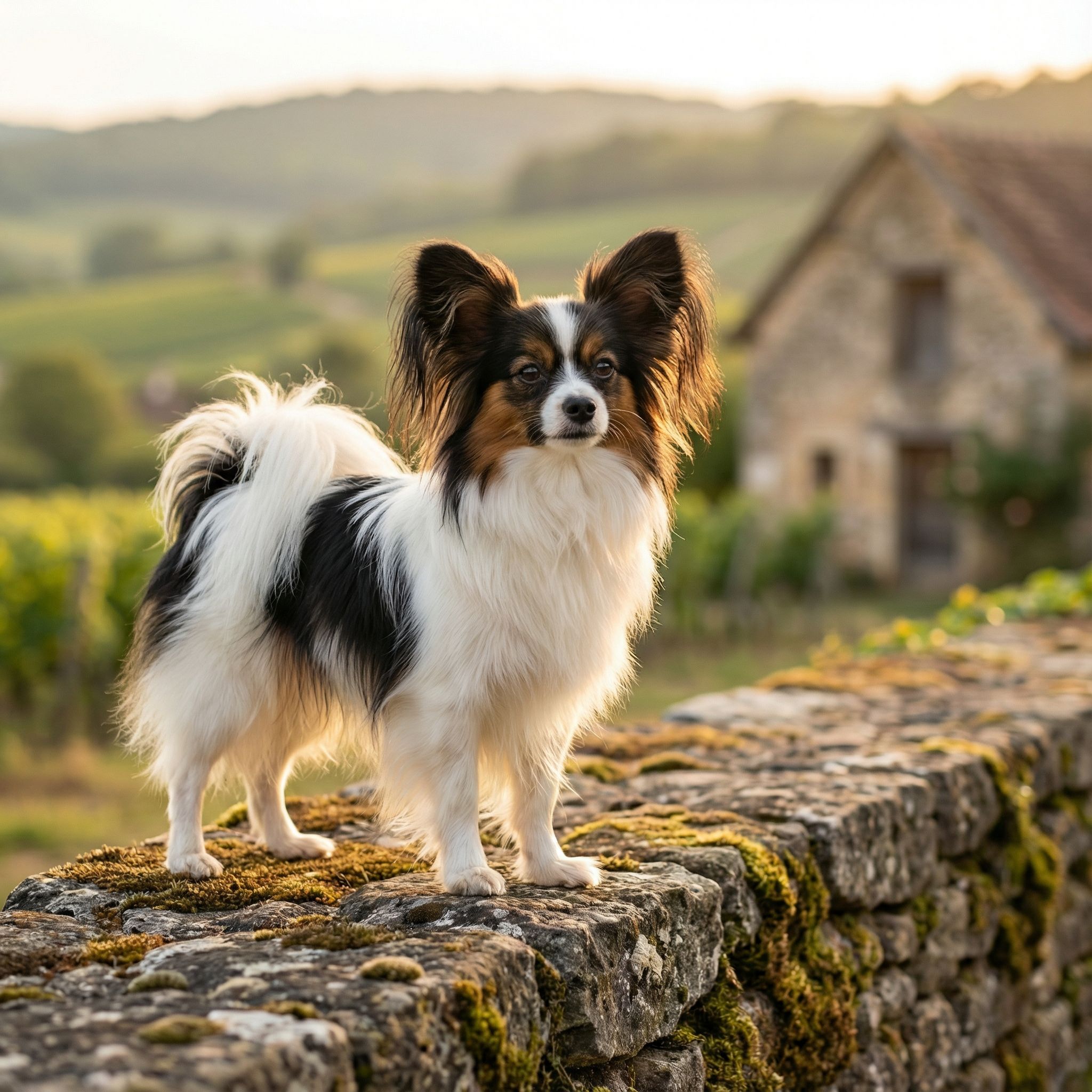
Papillon
Also known as: Continental Toy Spaniel, Butterfly Dog, Phalene (drop-eared variety)
The Papillon is a small, elegant toy breed known for its distinctive butterfly-like ears and lively, intelligent personality. Often called 'the Border Collie of the toy group,' this brilliant and athletic dog is packed into a 5-10 pound frame. With a friendly and playful demeanor, Papillons make excellent companions and are highly trainable, excelling in obedience and agility competitions.
Extra Small
High
14-16 yrs
20-28 cm
2.27-4.54 kg
Quick Comparison
| Trait | Great Pyrenees | Papillon |
|---|---|---|
| Energy | ||
| Trainability | ||
| Grooming Needs | ||
| Family Friendly | ||
| Independence |
Key Characteristics
| Good with Kids | ||
| Good with Dogs | ||
| Good with Cats | ||
| Hypoallergenic | ||
| Apartment Friendly | ||
| First-Time Owner OK |
| Detail | Great Pyrenees | Papillon |
|---|---|---|
| Size | Extra Large | Extra Small |
| Energy Level | Medium | High |
| Grooming | High | Medium |
| Trainability | challenging | Easy |
| Barking Level | High | High |
| Shedding Level | High | Medium |
| Chew strength | Moderate | Light |
| Housing | Acreage | Apartment |
Owner Fit & Decision Guide
Owner Match
| Trait | Great Pyrenees | Papillon |
|---|---|---|
| Experience Level | Advanced | Beginner with conditions |
| First-Time Owner | ||
| Ideal Owner | Experienced owner with acreage or large securely fenced yard, tolerant of nocturnal barking, understanding of independent working breeds, possibly with livestock to guard. Patient with training and comfortable with a dog that thinks for itself. | Adult or family with older children who wants an intelligent, trainable companion. Works from home or can provide midday companionship. Willing to commit to daily dental care and regular training sessions. |
Great Pyrenees Dealbreakers
- Live in an apartment or rental
- Have close neighbors sensitive to barking
- Want a dog that obeys commands instantly
- Don't have a secure physical fence
- Want a pristine, fur-free home
- Need a running or high-intensity exercise partner
Papillon Dealbreakers
- Households with children under 6 - risk of accidental injury too high
- Owners wanting a 'yard dog' - must live indoors as family
- Owners who want a silent home - they will bark
- Works 8+ hours away from home
Surrender Risk
| Factor | Great Pyrenees | Papillon |
|---|---|---|
| Risk Level | High | Low |
| Primary Reasons | Nocturnal barking - owners get a fluffy puppy that starts barking all night at 1 year old, Roaming/escape - jumping fences to expand territory, Resource guarding - growling over food scares families who expected Golden Retriever temperament, Size underestimated - 120lb dog that refuses to move and may growl when asked to get off couch | Owner death/illness (common with elderly owners), Fear-based biting when handled roughly by kids, Excessive barking incompatible with apartment neighbors |
Temperament & Personality
Behavior Comparison
| Trait | Great Pyrenees | Papillon |
|---|---|---|
| Prey Drive | ||
| Watchdog Ability | ||
| Stranger Friendly | ||
| Drool Level | ||
| Wanderlust |
Vocalization
| Trait | Great Pyrenees | Papillon |
|---|---|---|
| Barking Level | High | High |
| Howling Tendency | ||
| Whining Tendency | Low | Medium |
| Separation Vocalization |
Safety & Reliability
| Trait | Great Pyrenees | Papillon |
|---|---|---|
| Escape Artist | ||
| Dog Park Suitable | ||
| Off-Leash Reliable | ||
| Small Animal Safe | ||
| Leash Reactivity | ||
| Resource Guarding Risk | Moderate to High | Moderate |
Great Pyrenees Social Traits
High
Same-sex aggression common, especially females. Keep opposite-sex pairs for peace.
Papillon Social Traits
Moderate
May conflict with same-sex dogs if resources not managed
Training
Great Pyrenees
- Must convince them your request is worth their effort
- Harsh corrections cause shutdown or defensive behavior
- Focus on management over strict obedience
- Accept that recall will never be 100% reliable
Papillon
- Never use harsh corrections - they are sensitive souls
- Use their intelligence - they LOVE learning new tricks
- Crate training highly recommended for potty training
- Pee pads/litter box valid for high-rise living
Great Pyrenees Considerations
The #1 complaint from suburban owners. Pyrs are genetically hardwired to patrol and bark at night - they were bred to ward off wolves and bears. This instinct cannot be trained out, only managed. Expect deep, booming barks at 2 AM when a leaf blows across the driveway.
Great Pyrenees do not believe in property lines. Without a secure 5-6 foot physical fence, they will expand their territory to include the entire neighborhood. They are notorious escape artists and will take the shock from invisible fences to pursue threats.
Adult Pyrs often exhibit severe aggression toward dogs of the same sex, particularly females. This usually manifests around social maturity (18-24 months). Opposite-sex pairs are generally recommended.
Pyrs are not dumb - they are independent. When called, they evaluate whether coming is more important than what they are currently doing (usually guarding). If they decide it isn't, they will ignore you completely.
Papillon Considerations
Papillons possess boldness that disproportionately exceeds their size. They will challenge much larger dogs, leading to tragic outcomes if not protected. This is genuine territorial confidence, not 'yappiness'.
This is a 'velcro' breed bred for centuries as lap companions to nobility. They do not tolerate isolation well. Owners working 8+ hours away often find their Papillon develops severe distress behaviors.
While not mindless yappers, they are vigilant watchdogs. They will announce every delivery truck, doorbell, and passerby. In apartments with thin walls, this can become a lease-breaking issue.
Unlike sturdy Golden Retrievers, Papillons cannot be roughly handled. They are quick to snap if manhandled, making them a poor choice for households with toddlers who lack impulse control.
Multi-Species Compatibility
| Species | Great Pyrenees | Papillon |
|---|---|---|
| With Cats | Excellent - bred to protect vulnerable animals, views cats as part of the flock to guard | Generally safe if raised with them, may harass with play attempts |
| Small Mammals | Good - low prey drive, protective instinct toward smaller animals in their family | Caution required - ratter instinct still present |
| Birds / Reptiles | Good with supervision - generally safe due to arrested predatory sequence | Not recommended - spaniel heritage triggers chase |
Advanced Behavior
| Trait | Great Pyrenees | Papillon |
|---|---|---|
| Predatory Sequence Risk | Arrested | Arrested |
| Biddability | Low | High |
| Noise Sensitivity | Low | Medium |
| Territorial Barking | ||
| Same-Sex Aggression Onset | 18 months | 12 months |
Great Pyrenees: Predatory sequence arrested early - may chase predators to drive away but lack dissect/consume drive. Brilliant problem solvers but low 'working intelligence' (willingness to follow commands). Bred to work without humans so don't look to humans for answers.
Papillon: Predatory sequence: Eye -> Stalk -> Chase (grab-bite inhibited). They WANT to work with you - unlike terriers who ask 'What's in it for me?'. Same-sex aggression if resources (you, food, toys) not managed.
First Year & Life Stages
First Year Challenges
| Challenge | Great Pyrenees | Papillon |
|---|---|---|
| Puppy Difficulty | ||
| Destructive Phase | 6-18 | 6-12 |
| House Training | Medium | Medium |
| Crate Training | Medium | High |
| Adolescent Regression |
Great Pyrenees: Pyr puppies are large, stubborn land sharks. A 6-month-old is the size of a German Shepherd but has the brain of a toddler. Critical socialization window 8-16 weeks - must expose to strangers, other dogs, and strange noises or natural guarding instinct can turn into fear-aggression.
Papillon: Physically fragile - main risk is trauma from being dropped or stepped on. Teething puppies will surgically chew electrical cords. Small bladders mean expect accidents for 6-8 months.
Life Stages Timeline
| Stage | Great Pyrenees | Papillon |
|---|---|---|
| Puppy Phase | 18 months | 10 months |
| Adolescence | 10-24 | 10-18 |
| Adult Years | 2-8 | 2-9 |
| Senior Onset | ~8 years | ~10 years |
| Peak Energy Age | 1-2 years | 1-5 years |
Size & Physical Characteristics
Physical Stats
| Measurement | Great Pyrenees | Papillon |
|---|---|---|
| Height | 65-82 cm | 20-28 cm |
| Weight | Not enough data yet | Not enough data yet |
| Size Category | Extra Large | Extra Small |
| Lifespan | 10–12 years | 14–16 years |
| Litter Size | 6-10 | 2-4 |
Great Pyrenees Coat
Papillon Coat
Lineage & Origin
| Detail | Great Pyrenees | Papillon |
|---|---|---|
| Original Purpose | Autonomous livestock guardian - protecting sheep from wolves and bears in the Pyrenees Mountains without human guidance | Continental Toy Spaniel - lap companion to European nobility, also ratters and flushers of small birds |
| Origin | Pyrenees Mountains (France/Spain), ancient breed | France/Belgium, 16th century |
Breeding Details
| Detail | Great Pyrenees | Papillon |
|---|---|---|
| C-Section Rate | Low | 20-30% |
| Whelping Difficulty | Easy | Medium |
| Puppy Mortality Rate | Low | Medium |
Physical Risks
| Risk | Great Pyrenees | Papillon |
|---|---|---|
| Bloat / GDV Risk | High | None |
| Slippery Floor Risk | Medium | Medium |
| Min Fence Height | 1.5m | 0.6m |
| Dig / Escape Risk | High | Low |
Health & Common Conditions
Great Pyrenees Health Issues
Papillon Health Issues
Great Pyrenees Suggested Tests
- Gastropexy (stomach tacking) - recommended during spay/neuter
- Neuronal Degeneration (NDG) DNA test
- Hip Evaluation (OFA)
- Elbow Evaluation
- Patella Evaluation
Papillon Suggested Tests
- Pap_PRA1 genetic test
- NAD genetic test
- OFA Patella evaluation
- OFA Eye certification (CAER)
Health Risk Overview
| Risk Factor | Great Pyrenees | Papillon |
|---|---|---|
| Cancer Risk | High (osteosarcoma) | Low |
| Cardiac Risk | Low | Low |
| Neurological Risk | Medium (NDG) | Medium |
| CCL/ACL Tear Risk | Medium | Low |
| Vet Burden Tier | High | Medium |
Sensitivities & Allergies
| Sensitivity | Great Pyrenees | Papillon |
|---|---|---|
| Skin Allergies | ||
| Environmental Allergies | ||
| Stomach Sensitivity | Low | Low |
| Food Allergies | Generally robust |
Health Maintenance
| Care Item | Great Pyrenees | Papillon |
|---|---|---|
| Nail Growth Rate | Normal | Normal |
| Eye Care Needs | Medium (entropion risk) | Low |
| Anal Gland Issues | Rare | Occasional |
Senior Care & Aging
Great Pyrenees Senior Care
Common Senior Issues
- Arthritis/mobility decline
- Osteosarcoma (bone cancer)
- Hip dysplasia progression
- Vision decline
Mobility slows around 8+ years. Arthritis management becomes primary focus. Ramps for cars and stairs become necessary.
Papillon Senior Care
Common Senior Issues
- Arthritis
- Vision/hearing loss
- Cognitive decline (sundowning)
- Dental deterioration
Long-lived breed (14-16 years). Ramps for furniture become essential to prevent jumping injuries. Some risk of confusion in very old age.
Grooming & Care
Great Pyrenees
high maintenancePapillon
medium maintenanceLifestyle Compatibility
Great Pyrenees Daily Life
Papillon Daily Life
Housing & Legal Restrictions
| Restriction | Great Pyrenees | Papillon |
|---|---|---|
| BSL Restricted | ||
| Common Rental Ban | ||
| Insurance Blacklist | ||
| Weight Category | Over 50lbs | Under 25lbs |
Climate Tolerance
| Climate | Great Pyrenees | Papillon |
|---|---|---|
| Heat Tolerance | ||
| Cold Tolerance | ||
| Water Affinity | Low | Low |
Travel Compatibility
| Activity | Great Pyrenees | Papillon |
|---|---|---|
| Car Travel | Good | Excellent |
| Camping | ||
| Beach Friendly | ||
| Hiking Rating | ||
| Cabin Flight Eligible | ||
| Hotel Friendly Size |
Niche Suitability
| Role | Great Pyrenees | Papillon |
|---|---|---|
| Service Dog | Low | Medium |
| Therapy Dog | Low | Medium |
| Deep Pressure Therapy | ||
| Canicross / Bikejoring | ||
| Apartment Adaptable | ||
| Tactile / Sensory Friendly | ||
| Livestock Guardian | ||
| Medical Alert | None | Low |
Costs & Expenses
Upfront Costs
| Cost | Great Pyrenees | Papillon |
|---|---|---|
| Purchase Price | $1,800-4,000 | $1,000-3,000 |
| Initial Cost Range | $1,800–$4,000 | $1,000–$3,000 |
| Cost Tier |
Ongoing Costs
| Cost | Great Pyrenees | Papillon |
|---|---|---|
| Monthly Range | $180–$300 | $80–$130 |
| Yearly Range | $2,160–$3,600 | $960–$1,560 |
| Food / Month | $100-150 | $20-40 |
| Insurance / Month | $50-80 | $30-60 |
| Grooming / Session | $100-200 | $50-80 |
| Vet Routine / Year | $600-1,500 | $200-400 |
| Monthly Cost Tier |
Great Pyrenees Lifetime Cost
$25,000-45,000
Papillon Lifetime Cost
$15,000-25,000
Quirks & Fun Facts
Daily Quirks
| Quirk | Great Pyrenees | Papillon |
|---|---|---|
| Snoring | ||
| Flatulence | Rare | Rare |
| Slobber Level | Moderate | None |
| Smell When Wet | Mild | Mild |
| Zoomies Frequency | Rare | Daily |
| Counter Surfing | ||
| Digging Tendency | High | None |
Great Pyrenees Quirks
The Pyr Paw
Will forcefully paw at you to demand attention - can be painful given their size and claw strength
The Pyr Lean
Shows affection by leaning their entire 100lb+ weight against your legs
Mud Magnet
White coat is surprisingly self-cleaning (mud dries and falls off) - but the mud falls off onto your floor
Selective Deafness
Will evaluate your command, decide if it's worth their effort, and ignore you if it isn't
Snow Obsession
Will refuse to come inside during snowstorms - thrive in freezing temperatures
Papillon Quirks
The Papillon 500
Daily zoomies where they run laps around furniture at high speed
Cat-like Perching
Often perch on backs of sofas or armchairs to survey their domain
Naturally Clean
Minimal doggy odor - mud falls off once dry, no clipping/shaving needed
Butterfly Ears
The distinctive fringed ears that give the breed its name (papillon = butterfly in French)
Frequently Asked Questions
Turn your dog into a brand deal.
Pet brands are looking for authentic creators — not celebrities. If you own a Great Pyrenees or Papillon, you can get free products, gear, and exclusive perks just for sharing your dog's life on Instagram.
No followers minimum · Free to join
Compare with Other Breeds
Compare Great Pyrenees with:
Based on comprehensive breed research data.