Nova Scotia Duck Tolling Retriever vs Rottweiler
A side-by-side comparison to help you find the right breed for your lifestyle.

Nova Scotia Duck Tolling Retriever
Also known as: Little River Duck Dog, Toller
The Nova Scotia Duck Tolling Retriever, often referred to as a "Toller," is a medium-sized, intelligent, and energetic breed known for its distinctive reddish coat and unique ability to lure and retrieve waterfowl. Originating from Nova Scotia, Canada, these dogs are highly valued for their playful demeanor, versatility, and strong work ethic in both hunting and family settings.
Medium
High
10.0 - 14.0 yrs
45.0 - 51.0 cm
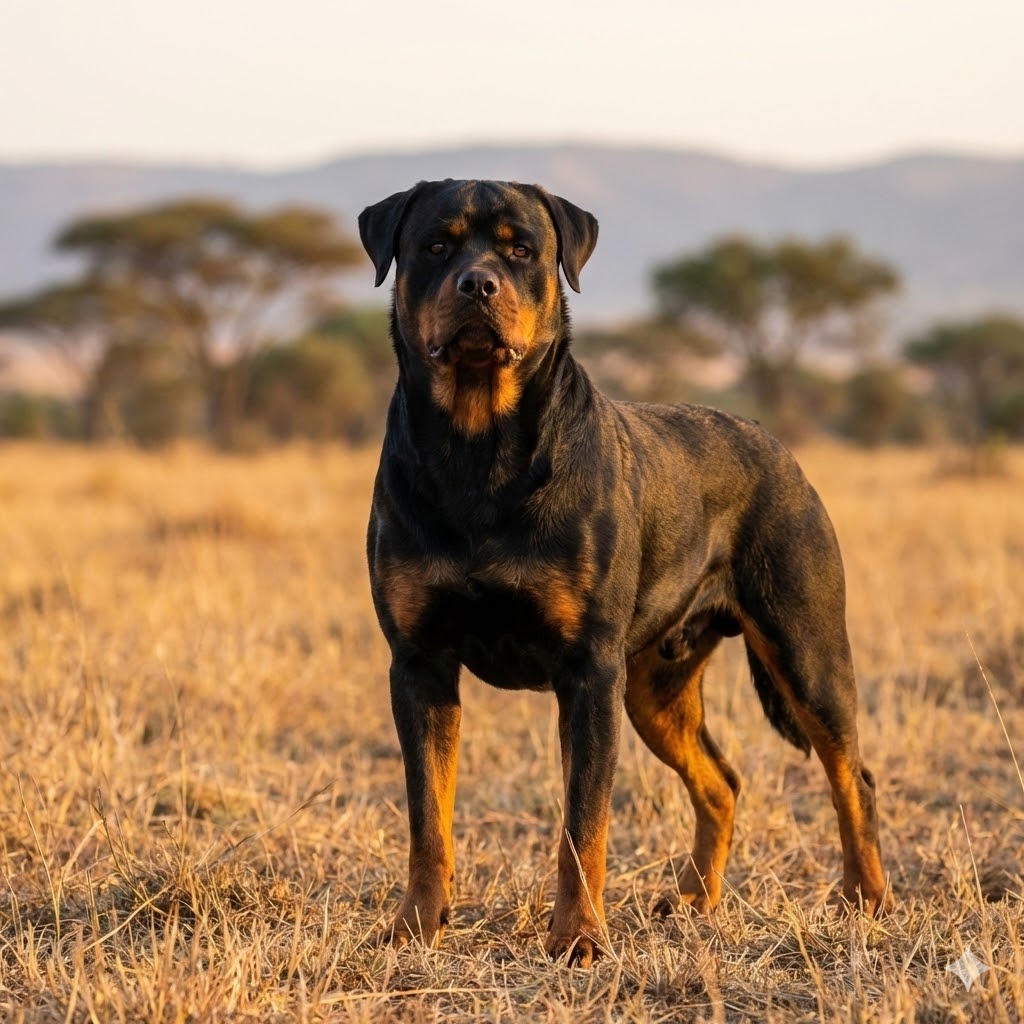
Rottweiler
Also known as: Treibhund, Metzgerhund
The Rottweiler is a robust and powerful dog breed known for its strength, loyalty, and protective nature, often used as a working dog in roles such as guarding and herding. With a confident and calm demeanor, Rottweilers are also affectionate companions, requiring proper training and socialization to thrive in family environments.
Large
High
8 - 10 yrs
56 - 68 cm
Quick Comparison
| Trait | Nova Scotia Duck Tolling Retriever | Rottweiler |
|---|---|---|
| Energy | ||
| Trainability | ||
| Grooming Needs | ||
| Family Friendly | ||
| Independence |
Key Characteristics
| Good with Kids | ||
| Good with Dogs | ||
| Good with Cats | ||
| Hypoallergenic | ||
| Apartment Friendly | ||
| First-Time Owner OK |
| Detail | Nova Scotia Duck Tolling Retriever | Rottweiler |
|---|---|---|
| Size | Medium | Large |
| Energy Level | High | High |
| Grooming | Medium | Low |
| Trainability | Easy | Easy |
| Barking Level | High | Low |
| Shedding Level | High | High |
| Chew strength | Moderate | Hard |
| Housing | Yard | Yard |
Owner Fit & Decision Guide
Owner Match
| Trait | Nova Scotia Duck Tolling Retriever | Rottweiler |
|---|---|---|
| Experience Level | Intermediate | Experienced |
| First-Time Owner | ||
| Ideal Owner | Active outdoor enthusiasts, hunters, and competitive dog sports handlers who appreciate an intensely engaged, highly intelligent, handler-focused canine teammate. | Experienced, physically capable, emotionally stable handler who understands working-dog drives and provides clear, consistent boundary enforcement. |
Nova Scotia Duck Tolling Retriever Dealbreakers
- Expectation of an easygoing, hyper-social miniature Golden Retriever
- Sedentary lifestyle or apartment living with noise-sensitive neighbors
- Reliance on punitive or coercive dominance training methods
Rottweiler Dealbreakers
- Inconsistent or permissive handling
- Intimidation by large physical strength
- Lack of 1.5+ hours of daily engagement
- Rental housing with breed bans
Surrender Risk
| Factor | Nova Scotia Duck Tolling Retriever | Rottweiler |
|---|---|---|
| Risk Level | High | High |
| Primary Reasons | Piercing vocalization (Toller scream) causing neighbor complaints and owner distress, Hyperactivity and behavioral destruction from severely unmet physical and mental drive, Mismatch of expectations (expecting a low-key, hyper-social miniature Golden Retriever) | Inability of owner to manage 45-55 kg of physical pulling power, Development of unmanaged territorial or same-sex dog aggression around age 2, Landlord breed bans or insurance cancellation upon rental lease checks, High veterinary costs associated with orthopedic or oncological diagnoses |
Temperament & Personality
Behavior Comparison
| Trait | Nova Scotia Duck Tolling Retriever | Rottweiler |
|---|---|---|
| Prey Drive | ||
| Watchdog Ability | ||
| Stranger Friendly | ||
| Drool Level | ||
| Wanderlust |
Vocalization
| Trait | Nova Scotia Duck Tolling Retriever | Rottweiler |
|---|---|---|
| Barking Level | High | Low |
| Howling Tendency | ||
| Whining Tendency | Intense impatient whining during hunting blind staging or waiting in agility rings | N/A |
| Separation Vocalization |
Safety & Reliability
| Trait | Nova Scotia Duck Tolling Retriever | Rottweiler |
|---|---|---|
| Escape Artist | ||
| Dog Park Suitable | ||
| Off-Leash Reliable | ||
| Small Animal Safe | ||
| Leash Reactivity | ||
| Resource Guarding Risk | Moderate | Moderate-High |
Nova Scotia Duck Tolling Retriever Social Traits
Polite but reserved, dignified, and indifferent; dislikes intrusive petting from unfamiliar individuals.
Dog-tolerant to dog-social, but can show selective intolerance toward pushy or sexually intact same-sex dogs.
Rottweiler Social Traits
Reserved, polite indifference toward neutral strangers; watchful and aloof
Moderate to High (same-sex intolerance common past maturity)
Training
Nova Scotia Duck Tolling Retriever
- Reward quiet impulse duration before releasing toys or bumpers
- Establish explicit start and end markers for working tasks to prevent continuous pacing
- Implement early desensitization to retrieve cues and neutral socialization to strangers
Rottweiler
- Prioritize neutral socialization between weeks 8 and 16.
- Instill rapid impulse control and an immediate release ('out') command during play.
- Desensitize to mouth, ear, and paw handling during early puppyhood.
Nova Scotia Duck Tolling Retriever Considerations
Produces an ear-splitting, high-pitched scream of extreme excitement or barrier frustration that can disturb neighbors.
Requires at least 90 minutes of daily exercise and intensive problem-solving; underemployed dogs become hyperactive, vocal, and destructive.
Markedly elevated vulnerability to complex autoimmune diseases like SRMA, Addison's disease, and immune-mediated rheumatic disease.
Rottweiler Considerations
Not novice friendly; unsuitable for inconsistent, permissive owners or individuals intimidated by physical strength.
Categorized as restricted/dangerous dog (Listenhund) in parts of Europe and US municipalities, frequently banned by rental landlords and homeowner insurance.
Handlers must manage 45-55 kg of physical pulling power and potential same-sex dog aggression.
Multi-Species Compatibility
| Species | Nova Scotia Duck Tolling Retriever | Rottweiler |
|---|---|---|
| With Cats | Moderate compatibility (rated 3/5); manageable with proper social conditioning. | Moderate - manageable if raised alongside them indoors; outdoor neighborhood cats will be chased |
| Small Mammals | Low compatibility (rated 1/5); high prey drive poses hazards. | High risk - instinctual prey catch response |
| Birds / Reptiles | High interest; will attempt to stalk, flush, or retrieve poultry and waterfowl. | N/A |
Advanced Behavior
| Trait | Nova Scotia Duck Tolling Retriever | Rottweiler |
|---|---|---|
| Predatory Sequence Risk | High; fixated visual tracking and intense pursuit of waterfowl and moving targets | High risk toward small animals and neighborhood cats |
| Biddability | Very high | High |
| Noise Sensitivity | Medium (rated 3/5 for noise phobia risk) | Low |
| Territorial Barking | ||
| Same-Sex Aggression Onset | 7-24 months | 18-24 |
Nova Scotia Duck Tolling Retriever: Rapid arousal ramp accelerates from calm baseline to explosive drive in milliseconds; can redirect mouthing when frustrated.
Rottweiler: High reactivity threshold to initiate response, but explosive physical force when triggered. Stand-and-assess / Fight default.
First Year & Life Stages
First Year Challenges
| Challenge | Nova Scotia Duck Tolling Retriever | Rottweiler |
|---|---|---|
| Puppy Difficulty | ||
| Destructive Phase | 7-24 months | N/A |
| House Training | Moderate | N/A |
| Crate Training | Excellent when conditioned with high-value foraging items | N/A |
| Adolescent Regression |
Nova Scotia Duck Tolling Retriever: Adolescent phase (7-24 months) involves testing impulse boundaries, surging arousal, and frustration reactivity.
Rottweiler: Strict ban on repetitive jumping, forced running, and stairs until growth plates close at 18-24 months. Bite inhibition training is an extreme urgency.
Life Stages Timeline
| Stage | Nova Scotia Duck Tolling Retriever | Rottweiler |
|---|---|---|
| Puppy Phase | 6 months | 12 months |
| Adolescence | 7-24 months | 12 - 24 months |
| Adult Years | 2-8 years | 2.5 to 6.5 years |
| Senior Onset | ~8 years | ~6.5 years |
| Peak Energy Age | 2-8 years | N/A |
Size & Physical Characteristics
Physical Stats
| Measurement | Nova Scotia Duck Tolling Retriever | Rottweiler |
|---|---|---|
| Height | 45.0 - 51.0 cm | 56 - 68 cm |
| Weight | Not enough data yet | Not enough data yet |
| Size Category | Medium | Large |
| Lifespan | 10–14 years | 8–10 years |
| Litter Size | 6 | 8 |
Nova Scotia Duck Tolling Retriever Coat
Rottweiler Coat
Lineage & Origin
| Detail | Nova Scotia Duck Tolling Retriever | Rottweiler |
|---|---|---|
| Original Purpose | Tolling (prancing along shoreline to arouse waterfowl curiosity within shotgun range) and cold-water retrieval of downed game. | Cattle drover (Treibhund), draught/carting dog (Metzgerhund), estate and personal protection guardian |
| Origin | Little River district of Yarmouth County, Nova Scotia, Canada | Germany |
Breeding Details
| Detail | Nova Scotia Duck Tolling Retriever | Rottweiler |
|---|---|---|
| C-Section Rate | N/A | 12-15% |
| Whelping Difficulty | Low; generally natural whelpers with strong maternal instincts | Large puppy dystocia |
| Puppy Mortality Rate | N/A | N/A |
Physical Risks
| Risk | Nova Scotia Duck Tolling Retriever | Rottweiler |
|---|---|---|
| Bloat / GDV Risk | Low | High |
| Slippery Floor Risk | Medium | High (aggravates elbow arthrosis, hip dysplasia, and CCL tears) |
| Min Fence Height | N/A | 1.83m |
| Dig / Escape Risk | Low | Low |
Health & Common Conditions
Nova Scotia Duck Tolling Retriever Health Issues
Rottweiler Health Issues
Nova Scotia Duck Tolling Retriever Suggested Tests
- OFA or PennHIP Hip Radiographic Evaluation (min age 24 months)
- OFA Elbow Radiographic Evaluation (min age 24 months)
- OFA / CAER Annual Eye Examination by a Board-Certified Veterinary Ophthalmologist
- DNA panel: prcd-PRA, CEA/CH, JADD, DE, CP1, CLPS, CDDY/IVDD
- OFA Autoimmune Thyroid Panel (FT4D, cTSH, TgAA)
Rottweiler Suggested Tests
- OFA / PennHIP Radiographic Evaluation for Hips (at or after 24 months)
- OFA Radiographic Evaluation for Elbows (at or after 24 months)
- Advanced Cardiac Examination by Board-Certified ACVIM Cardiologist (Echocardiogram with Doppler)
- JLPP DNA mutation marker test (mandatory for ARC / ADRK breeding stock)
- Annual ACVO Ophthalmic Exam
- Thyroid panel (free T4 by dialysis, cTSH, TgAA)
Health Risk Overview
| Risk Factor | Nova Scotia Duck Tolling Retriever | Rottweiler |
|---|---|---|
| Cancer Risk | Medium | Very high |
| Cardiac Risk | Low | Medium |
| Neurological Risk | Medium | Medium |
| CCL/ACL Tear Risk | High | High |
| Vet Burden Tier | High | Very high |
Sensitivities & Allergies
| Sensitivity | Nova Scotia Duck Tolling Retriever | Rottweiler |
|---|---|---|
| Skin Allergies | ||
| Environmental Allergies | ||
| Stomach Sensitivity | Medium | High |
| Food Allergies | Poultry protein allergies, Storage mite allergies | Chicken and chicken meal protein allergy, Diet-responsive food intolerance manifesting as loose stools |
Health Maintenance
| Care Item | Nova Scotia Duck Tolling Retriever | Rottweiler |
|---|---|---|
| Nail Growth Rate | Fast | Normal |
| Eye Care Needs | Medium | Low |
| Anal Gland Issues | Rare | N/A |
Senior Care & Aging
Nova Scotia Duck Tolling Retriever Senior Care
Common Senior Issues
- Secondary osteoarthritis
- Canine cognitive dysfunction syndrome (CCDS)
- Hemangiosarcoma
- Lymphoma
- Chronic renal failure secondary to autoimmune treatment
Mental retrieve obsession often remains undiminished even as physical speed and joint mobility decline.
Rottweiler Senior Care
Common Senior Issues
- Severe osteoarthritis in elbows and hips
- Limb-sparing or amputation dilemmas due to osteosarcoma
- Cardiovascular decline (congestive heart failure secondary to DCM or SAS progression)
Provide non-slip floor runners, orthopedic memory foam beds, ramp access for vehicles, and joint nutraceuticals.
Grooming & Care
Nova Scotia Duck Tolling Retriever
medium maintenanceRottweiler
low maintenanceLifestyle Compatibility
Nova Scotia Duck Tolling Retriever Daily Life
Rottweiler Daily Life
Housing & Legal Restrictions
| Restriction | Nova Scotia Duck Tolling Retriever | Rottweiler |
|---|---|---|
| BSL Restricted | ||
| Common Rental Ban | ||
| Insurance Blacklist | ||
| Weight Category | Medium (17-23 kg / 37-51 lbs) | Large / 35-60 kg |
Climate Tolerance
| Climate | Nova Scotia Duck Tolling Retriever | Rottweiler |
|---|---|---|
| Heat Tolerance | ||
| Cold Tolerance | ||
| Water Affinity | High | Moderate |
Travel Compatibility
| Activity | Nova Scotia Duck Tolling Retriever | Rottweiler |
|---|---|---|
| Car Travel | Generally travels well if introduced early; can scream in crate if recognizing routes to training or water. | High |
| Camping | ||
| Beach Friendly | ||
| Hiking Rating | ||
| Cabin Flight Eligible | ||
| Hotel Friendly Size |
Niche Suitability
| Role | Nova Scotia Duck Tolling Retriever | Rottweiler |
|---|---|---|
| Service Dog | Moderate | N/A |
| Therapy Dog | Low (rated 2/5 due to aloofness with strangers) | Moderate (exceptional individuals with calm, steady temperaments; poor fit for excitable dogs) |
| Deep Pressure Therapy | ||
| Canicross / Bikejoring | ||
| Apartment Adaptable | ||
| Tactile / Sensory Friendly | ||
| Livestock Guardian | ||
| Medical Alert | Moderate | N/A |
Costs & Expenses
Upfront Costs
| Cost | Nova Scotia Duck Tolling Retriever | Rottweiler |
|---|---|---|
| Purchase Price | $2,200 - $3,500 | 1800 - 3500 |
| Initial Cost Range | $2,200–$3,500 | $1,800–$3,500 |
| Cost Tier |
Ongoing Costs
| Cost | Nova Scotia Duck Tolling Retriever | Rottweiler |
|---|---|---|
| Monthly Range | $120–$220 | $160–$260 |
| Yearly Range | $1,440–$2,640 | $450–$800 |
| Food / Month | N/A | N/A |
| Insurance / Month | N/A | N/A |
| Grooming / Session | N/A | N/A |
| Vet Routine / Year | N/A | 450 - 800 |
| Monthly Cost Tier |
Nova Scotia Duck Tolling Retriever Lifetime Cost
$25,000 - $42,000
Rottweiler Lifetime Cost
6000 - 15000 (reserves for TPLO surgery, cancer oncology, or bloat gastropexy)
Quirks & Fun Facts
Daily Quirks
| Quirk | Nova Scotia Duck Tolling Retriever | Rottweiler |
|---|---|---|
| Snoring | ||
| Flatulence | Low | N/A |
| Slobber Level | Low | Copious viscous strings around food/water due to heavy pendulous flews |
| Smell When Wet | Normal dog wet smell; double coat sheds dirt rapidly | N/A |
| Zoomies Frequency | Post-swim celebratory zoomies across dry turf | N/A |
| Counter Surfing | ||
| Digging Tendency | Low | N/A |
Nova Scotia Duck Tolling Retriever Quirks
The Toller Scream
A penetrating, high-frequency avian-like shriek uttered during predatory anticipation or barrier frustration.
The Sad Toller Face
A soulful, brooding, furrowed-brow resting expression that belies explosive athletic drive.
Tail Tolling Strobe
A rhythmic, high-held, flag-like wagging motion of their feathered tail designed to lure shoreline waterfowl.
Post-Swim Grass Zoomies
High-speed celebratory running while rubbing muzzle and ears across dry turf after swimming.
Rottweiler Quirks
The Rottie Rumble
A low-frequency vibrating chest purr produced when experiencing deep affection, often mistaken for a menacing growl.
The Cattle Bump
Using massive muscular shoulders to physically bump or guide family members and other animals rather than biting.
The Head Drop
Planting their heavy skull squarely on an owner's lap or foot with full deadweight to enforce physical touch.
The Toy Parade
Greeting returning household members with a toy clenched firmly in the jaws while rumbling and swaying the entire hindquarters.
Frequently Asked Questions
Turn your dog into a brand deal.
Pet brands are looking for authentic creators — not celebrities. If you own a Nova Scotia Duck Tolling Retriever or Rottweiler, you can land collabs — product, gear, and exclusive perks — for sharing your dog's life on Instagram.
No followers minimum · Free to join
Compare with Other Breeds
Compare Nova Scotia Duck Tolling Retriever with:


Based on comprehensive breed research data.
View Nova Scotia Duck Tolling Retriever profile·View Rottweiler profile