Rottweiler vs Scottish Terrier
A side-by-side comparison to help you find the right breed for your lifestyle.
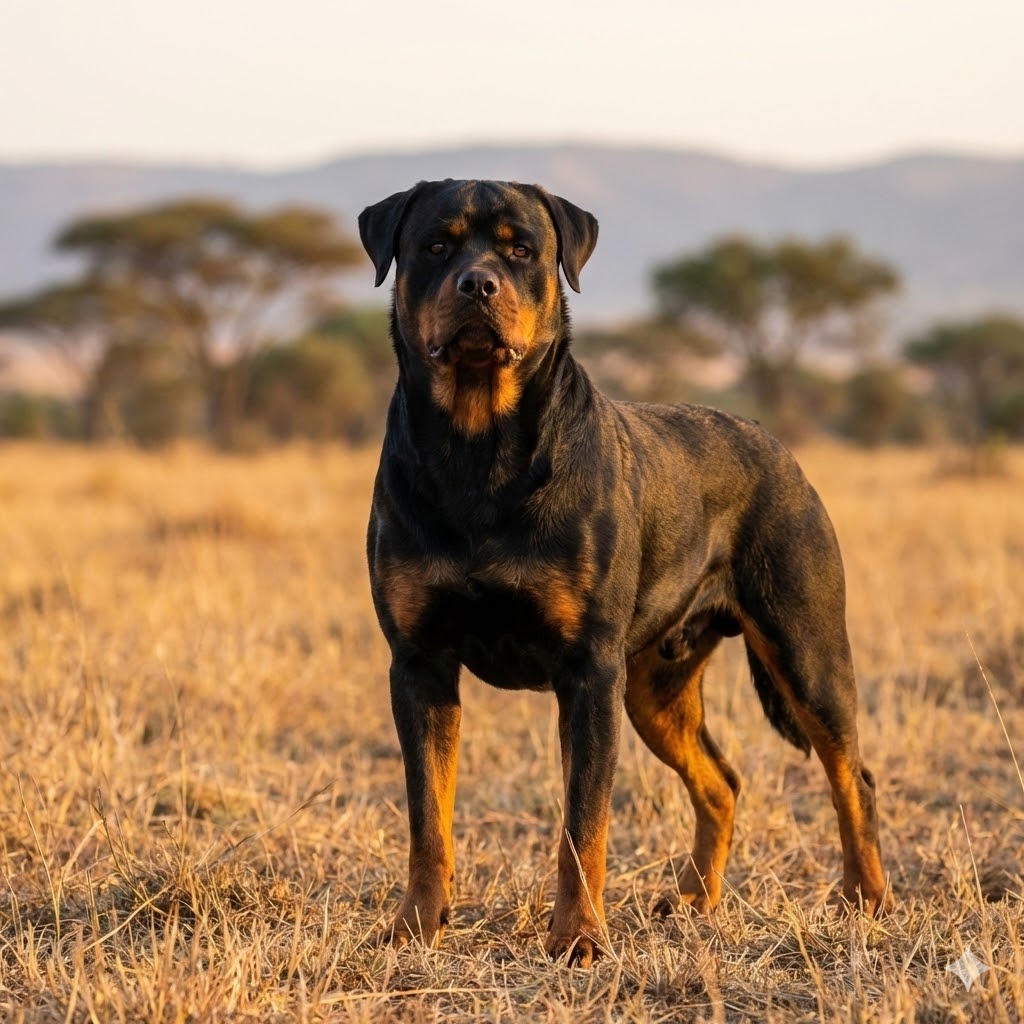
Rottweiler
Also known as: Treibhund, Metzgerhund
The Rottweiler is a robust and powerful dog breed known for its strength, loyalty, and protective nature, often used as a working dog in roles such as guarding and herding. With a confident and calm demeanor, Rottweilers are also affectionate companions, requiring proper training and socialization to thrive in family environments.
Large
High
8 - 10 yrs
56 - 68 cm
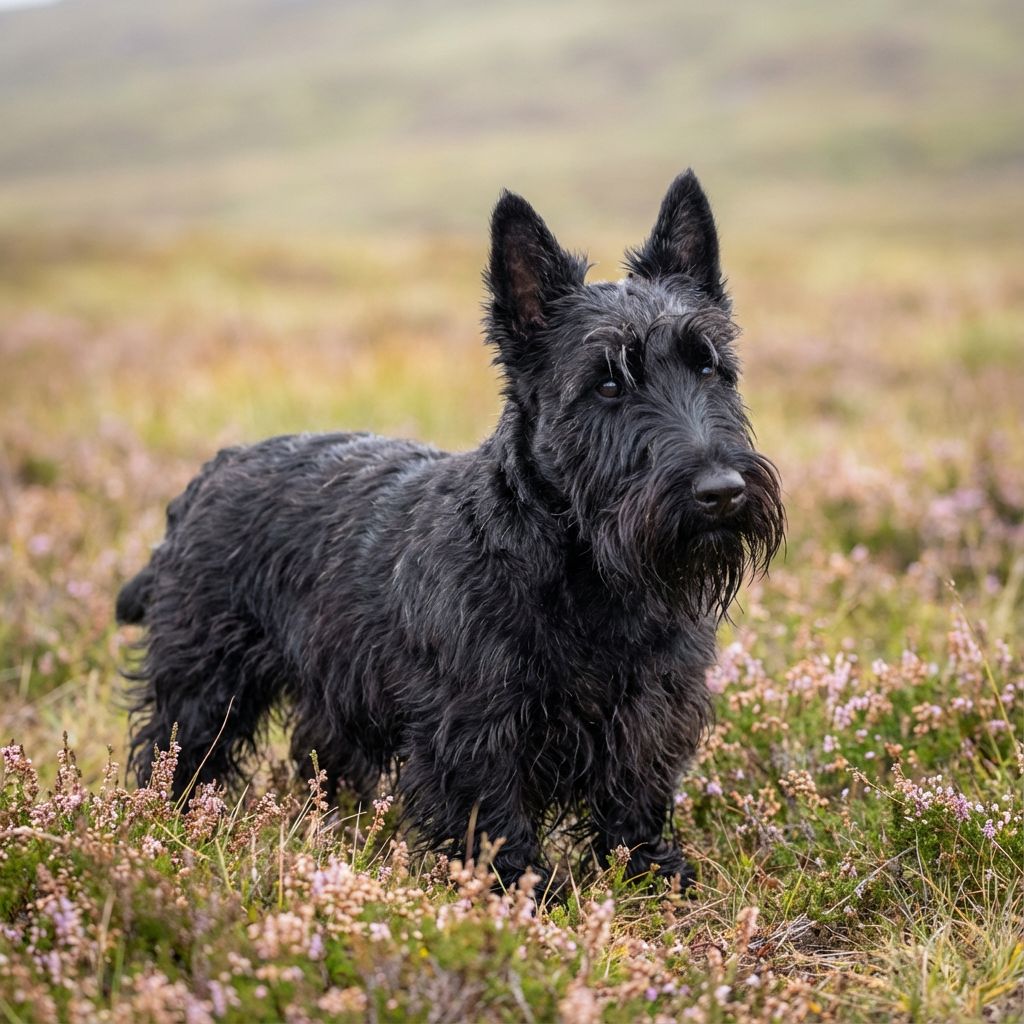
Scottish Terrier
The Scottish Terrier, affectionately known as the "Scottie," is a small, sturdy breed recognized for its distinctive wiry coat, bushy eyebrows, and dignified demeanor. Known for their independence and spirited nature, Scotties are loyal companions with a rich history as tenacious hunters.
Medium
Medium
10-12 years yrs
N/A
Quick Comparison
| Trait | Rottweiler | Scottish Terrier |
|---|---|---|
| Energy | ||
| Trainability | ||
| Grooming Needs | ||
| Family Friendly | ||
| Independence |
Key Characteristics
| Good with Kids | ||
| Good with Dogs | ||
| Good with Cats | ||
| Hypoallergenic | ||
| Apartment Friendly | ||
| First-Time Owner OK |
| Detail | Rottweiler | Scottish Terrier |
|---|---|---|
| Size | Large | Medium |
| Energy Level | High | Medium |
| Grooming | Low | High |
| Trainability | Easy | Challenging |
| Barking Level | Low | High |
| Shedding Level | High | Low |
| Chew strength | Hard | Light |
| Housing | Yard | Apartment |
Owner Fit & Decision Guide
Owner Match
| Trait | Rottweiler | Scottish Terrier |
|---|---|---|
| Experience Level | Experienced | Experienced |
| First-Time Owner | ||
| Ideal Owner | Experienced, physically capable, emotionally stable handler who understands working-dog drives and provides clear, consistent boundary enforcement. | Active individual or family who can provide adequate exercise and training for a Scottish Terrier. |
Rottweiler Dealbreakers
- Inconsistent or permissive handling
- Intimidation by large physical strength
- Lack of 1.5+ hours of daily engagement
- Rental housing with breed bans
Scottish Terrier Dealbreakers
- Cannot meet 45-60 min daily exercise
- Cannot commit to grooming needs
Surrender Risk
| Factor | Rottweiler | Scottish Terrier |
|---|---|---|
| Risk Level | High | Medium |
| Primary Reasons | Inability of owner to manage 45-55 kg of physical pulling power, Development of unmanaged territorial or same-sex dog aggression around age 2, Landlord breed bans or insurance cancellation upon rental lease checks, High veterinary costs associated with orthopedic or oncological diagnoses | Underestimated exercise needs, Behavioral challenges, Cost of care |
Temperament & Personality
Behavior Comparison
| Trait | Rottweiler | Scottish Terrier |
|---|---|---|
| Prey Drive | ||
| Watchdog Ability | ||
| Stranger Friendly | ||
| Drool Level | ||
| Wanderlust |
Vocalization
| Trait | Rottweiler | Scottish Terrier |
|---|---|---|
| Barking Level | Low | High |
| Howling Tendency | ||
| Whining Tendency | N/A | Low |
| Separation Vocalization |
Safety & Reliability
| Trait | Rottweiler | Scottish Terrier |
|---|---|---|
| Escape Artist | ||
| Dog Park Suitable | ||
| Off-Leash Reliable | ||
| Small Animal Safe | ||
| Leash Reactivity | ||
| Resource Guarding Risk | Moderate-High | Low |
Rottweiler Social Traits
Reserved, polite indifference toward neutral strangers; watchful and aloof
Moderate to High (same-sex intolerance common past maturity)
Scottish Terrier Social Traits
Moderate
Selective
Training
Rottweiler
- Prioritize neutral socialization between weeks 8 and 16.
- Instill rapid impulse control and an immediate release ('out') command during play.
- Desensitize to mouth, ear, and paw handling during early puppyhood.
Scottish Terrier
- ** Positive reinforcement is the only viable path. Harsh corrections will cause a Scottie to shut down or retaliate.
Rottweiler Considerations
Not novice friendly; unsuitable for inconsistent, permissive owners or individuals intimidated by physical strength.
Categorized as restricted/dangerous dog (Listenhund) in parts of Europe and US municipalities, frequently banned by rental landlords and homeowner insurance.
Handlers must manage 45-55 kg of physical pulling power and potential same-sex dog aggression.
Scottish Terrier Considerations
Unlike the Golden Retriever or Labrador, the Scottie does not live to please you. They are famously independent thinkers. If you call a Scottie, they may consider the request, evaluate what’s in it for them, and then decide whether to comply. This is often misinterpreted as "stubbornness," but it is actually a feature of a breed designed to work alone underground without human direction.
Scotties are naturally suspicious of strangers and other dogs. They have a low tolerance for handling they deem disrespectful, which can include hugging, ear pulling, or sudden movements. This makes them a (under 8-10 years old). They are quick to correct perceived rudeness with a snap.
Many Scotties, particularly males, can be intolerant of other dogs of the same sex. This aggression often emerges at social maturity (18-24 months) and can escalate to serious fighting if not managed.
Their prey drive is not a game; it is a kill instinct. They cannot be trusted around small pets like hamsters, rabbits, or birds.
Multi-Species Compatibility
| Species | Rottweiler | Scottish Terrier |
|---|---|---|
| With Cats | Moderate - manageable if raised alongside them indoors; outdoor neighborhood cats will be chased | Caution - may chase |
| Small Mammals | High risk - instinctual prey catch response | Supervision required |
| Birds / Reptiles | N/A | Caution advised |
Advanced Behavior
| Trait | Rottweiler | Scottish Terrier |
|---|---|---|
| Predatory Sequence Risk | High risk toward small animals and neighborhood cats | Medium |
| Biddability | High | Low |
| Noise Sensitivity | Low | Low |
| Territorial Barking | ||
| Same-Sex Aggression Onset | 18-24 | 18 months |
Rottweiler: High reactivity threshold to initiate response, but explosive physical force when triggered. Stand-and-assess / Fight default.
First Year & Life Stages
First Year Challenges
| Challenge | Rottweiler | Scottish Terrier |
|---|---|---|
| Puppy Difficulty | ||
| Destructive Phase | N/A | 6-18 |
| House Training | N/A | Moderate |
| Crate Training | N/A | Medium |
| Adolescent Regression |
Rottweiler: Strict ban on repetitive jumping, forced running, and stairs until growth plates close at 18-24 months. Bite inhibition training is an extreme urgency.
Scottish Terrier: Scottish Terrier puppies require consistent training and patience.
Life Stages Timeline
| Stage | Rottweiler | Scottish Terrier |
|---|---|---|
| Puppy Phase | 12 months | 12 months |
| Adolescence | 12 - 24 months | 6-18 |
| Adult Years | 2.5 to 6.5 years | 2-8 |
| Senior Onset | ~6.5 years | ~8 years |
| Peak Energy Age | N/A | 1-3 years |
Size & Physical Characteristics
Physical Stats
| Measurement | Rottweiler | Scottish Terrier |
|---|---|---|
| Height | 56 - 68 cm | N/A |
| Weight | Not enough data yet | Not enough data yet |
| Size Category | Large | Medium |
| Lifespan | 8–10 years | 10–12 years |
| Litter Size | 8 | 4-8 |
Rottweiler Coat
Scottish Terrier Coat
Lineage & Origin
| Detail | Rottweiler | Scottish Terrier |
|---|---|---|
| Original Purpose | Cattle drover (Treibhund), draught/carting dog (Metzgerhund), estate and personal protection guardian | Developed in the Scottish Highlands, the Scottie was bred to hunt badger, fox, and otter |
| Origin | Germany | N/A |
Breeding Details
| Detail | Rottweiler | Scottish Terrier |
|---|---|---|
| C-Section Rate | 12-15% | Varies |
| Whelping Difficulty | Large puppy dystocia | Medium |
| Puppy Mortality Rate | N/A | Low |
Physical Risks
| Risk | Rottweiler | Scottish Terrier |
|---|---|---|
| Bloat / GDV Risk | High | Low |
| Slippery Floor Risk | High (aggravates elbow arthrosis, hip dysplasia, and CCL tears) | Low |
| Min Fence Height | 1.83m | 1.5m |
| Dig / Escape Risk | Low | Low |
Health & Common Conditions
Rottweiler Health Issues
Scottish Terrier Health Issues
Rottweiler Suggested Tests
- OFA / PennHIP Radiographic Evaluation for Hips (at or after 24 months)
- OFA Radiographic Evaluation for Elbows (at or after 24 months)
- Advanced Cardiac Examination by Board-Certified ACVIM Cardiologist (Echocardiogram with Doppler)
- JLPP DNA mutation marker test (mandatory for ARC / ADRK breeding stock)
- Annual ACVO Ophthalmic Exam
- Thyroid panel (free T4 by dialysis, cTSH, TgAA)
Scottish Terrier Suggested Tests
- Genetic Testing for vWD and CMO
- Annual or bi-annual ultrasound screening for bladder tumors starting at age 7-8
Health Risk Overview
| Risk Factor | Rottweiler | Scottish Terrier |
|---|---|---|
| Cancer Risk | Very high | Medium |
| Cardiac Risk | Medium | Low |
| Neurological Risk | Medium | Low |
| CCL/ACL Tear Risk | High | Low |
| Vet Burden Tier | Very high | Medium |
Sensitivities & Allergies
| Sensitivity | Rottweiler | Scottish Terrier |
|---|---|---|
| Skin Allergies | ||
| Environmental Allergies | ||
| Stomach Sensitivity | High | Low |
| Food Allergies | Chicken and chicken meal protein allergy, Diet-responsive food intolerance manifesting as loose stools |
Health Maintenance
| Care Item | Rottweiler | Scottish Terrier |
|---|---|---|
| Nail Growth Rate | Normal | Normal |
| Eye Care Needs | Low | Low |
| Anal Gland Issues | N/A | Occasional |
Senior Care & Aging
Rottweiler Senior Care
Common Senior Issues
- Severe osteoarthritis in elbows and hips
- Limb-sparing or amputation dilemmas due to osteosarcoma
- Cardiovascular decline (congestive heart failure secondary to DCM or SAS progression)
Provide non-slip floor runners, orthopedic memory foam beds, ramp access for vehicles, and joint nutraceuticals.
Scottish Terrier Senior Care
Common Senior Issues
- Arthritis
- Vision decline
- Cognitive changes
Senior care varies by individual health.
Grooming & Care
Rottweiler
low maintenanceScottish Terrier
high maintenanceLifestyle Compatibility
Rottweiler Daily Life
Scottish Terrier Daily Life
Housing & Legal Restrictions
| Restriction | Rottweiler | Scottish Terrier |
|---|---|---|
| BSL Restricted | ||
| Common Rental Ban | ||
| Insurance Blacklist | ||
| Weight Category | Large / 35-60 kg | Under 50lbs |
Climate Tolerance
| Climate | Rottweiler | Scottish Terrier |
|---|---|---|
| Heat Tolerance | ||
| Cold Tolerance | ||
| Water Affinity | Moderate | Medium |
Travel Compatibility
| Activity | Rottweiler | Scottish Terrier |
|---|---|---|
| Car Travel | High | Good |
| Camping | ||
| Beach Friendly | ||
| Hiking Rating | ||
| Cabin Flight Eligible | ||
| Hotel Friendly Size |
Niche Suitability
| Role | Rottweiler | Scottish Terrier |
|---|---|---|
| Service Dog | N/A | Low |
| Therapy Dog | Moderate (exceptional individuals with calm, steady temperaments; poor fit for excitable dogs) | Low |
| Deep Pressure Therapy | ||
| Canicross / Bikejoring | ||
| Apartment Adaptable | ||
| Tactile / Sensory Friendly | ||
| Livestock Guardian | ||
| Medical Alert | N/A | Low |
Costs & Expenses
Upfront Costs
| Cost | Rottweiler | Scottish Terrier |
|---|---|---|
| Purchase Price | 1800 - 3500 | N/A |
| Initial Cost Range | $1,800–$3,500 | $1,000–$2,500 |
| Cost Tier |
Ongoing Costs
| Cost | Rottweiler | Scottish Terrier |
|---|---|---|
| Monthly Range | $160–$260 | $80–$160 |
| Yearly Range | $450–$800 | $960–$1,920 |
| Food / Month | N/A | N/A |
| Insurance / Month | N/A | N/A |
| Grooming / Session | N/A | $60-120 |
| Vet Routine / Year | 450 - 800 | N/A |
| Monthly Cost Tier |
Rottweiler Lifetime Cost
6000 - 15000 (reserves for TPLO surgery, cancer oncology, or bloat gastropexy)
Scottish Terrier Lifetime Cost
N/A
Quirks & Fun Facts
Daily Quirks
| Quirk | Rottweiler | Scottish Terrier |
|---|---|---|
| Snoring | ||
| Flatulence | N/A | Occasional |
| Slobber Level | Copious viscous strings around food/water due to heavy pendulous flews | Low |
| Smell When Wet | N/A | Moderate |
| Zoomies Frequency | N/A | Occasional |
| Counter Surfing | ||
| Digging Tendency | N/A | Low |
Rottweiler Quirks
The Rottie Rumble
A low-frequency vibrating chest purr produced when experiencing deep affection, often mistaken for a menacing growl.
The Cattle Bump
Using massive muscular shoulders to physically bump or guide family members and other animals rather than biting.
The Head Drop
Planting their heavy skull squarely on an owner's lap or foot with full deadweight to enforce physical touch.
The Toy Parade
Greeting returning household members with a toy clenched firmly in the jaws while rumbling and swaying the entire hindquarters.
Frequently Asked Questions
Turn your dog into a brand deal.
Pet brands are looking for authentic creators — not celebrities. If you own a Rottweiler or Scottish Terrier, you can land collabs — product, gear, and exclusive perks — for sharing your dog's life on Instagram.
No followers minimum · Free to join
Compare with Other Breeds
Compare Rottweiler with:
Compare Scottish Terrier with:
Based on comprehensive breed research data.