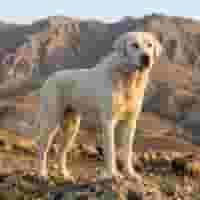

Um Akbash Dog combina contigo?
Traços de personalidade, compatibilidade familiar e estilo de vida: tudo para decidir.
Um Akbash Dog combina contigo?
Faz o nosso quiz de compatibilidade de 1 minuto com base em dados reais de donos
Saiba antes de decidir
Important behavioral traits that potential owners should understand:
Unlike breeds that bark and retreat, the Akbash is bred to confront threats. Without expert socialization, this "threat" category can expand to include delivery drivers, guests, and neighbors. They have a low threshold for suspicion and a high threshold for pain/intimidation.
This breed is nocturnal by design. They patrol their territory at night and will bark loudly and repetitively at coyotes, rustling leaves, or distant sirens. This is a feature, not a bug, but it makes them for suburban neighborhoods with noise ordinances or close neighbors.
Akbash dogs, particularly males, are prone to severe aggression toward other dogs of the same sex. This typically emerges at social maturity (18-36 months) and can turn a peaceful multi-dog household into a war zone overnight.
If not contained by secure fencing (minimum 5-6 feet), an Akbash will expand its territory. They have been known to wander miles in search of a perimeter to patrol.
Compatibilidade familiar
How Akbash Dogs typically interact with different family members and pets:
Children (0-5 years)
Akbash Dogs may need careful introduction and supervision with young children
Tip: Teach children to be gentle, never disturb during eating or sleeping
Children (5-12 years)
Can be good with older children who understand how to interact with dogs
Tip: Great age to involve kids in feeding, grooming, and training
Teenagers
Akbash Dogs typically do well with teenagers who can help with exercise and care
Tip: Teens can take on walking and training responsibilities
Other Dogs
Most Akbash Dogs can live harmoniously with other dogs when properly introduced
Tip: Gradual introductions on neutral territory work best
Cats
Can learn to live with cats, especially if raised together
Tip: Early socialization with cats increases success
Small Pets (rabbits, hamsters)
Caution advised - most dogs have some prey instinct toward small animals
Tip: Always keep small pets securely housed when dog is present
Compatibilidade com a sua situação de vida
Apartment
Akbash Dogs may find apartment living challenging
- Daily walks are essential
- Generally quiet indoors
- Mental stimulation important
House with Yard
Ideal setup for most Akbash Dogs - space to play and explore
- Secure fencing required
- Supervised outdoor time recommended
- Still needs walks for enrichment
Rural/Farm
Akbash Dogs enjoy rural settings
- Good recall training essential
- Watch for wildlife
- Plenty of room to exercise
First-Time Owner
Akbash Dogs may be better suited for experienced owners
- Consider professional training
- Research breed thoroughly
- Be prepared for challenges
Work From Home
Akbash Dogs love having their people around all day
- Set boundaries for work time
- Schedule regular breaks for play
- Create a comfortable space for them
Away 8+ Hours
Akbash Dogs can handle being alone with proper setup
- Gradual training to be alone
- Enrichment toys
- Morning exercise before leaving
Treinar o seu Akbash Dog
Independent Thinker
Intelligent but may have their own agenda - not for novice owners
Dicas de treinamento
- Establish yourself as leader early
- Make training fun and rewarding
- Consider professional help
- Be very patient and consistent
Desafios comuns
- May ignore commands if uninterested
- Requires experienced handler
- Need strong boundaries
Pro tip: Consider professional training classes, especially for first-time Akbash Dog owners. Group classes also provide valuable socialization.
Necessidades de exercício
Precisa de 30-60 minutos de exercicio diario
Atividades recomendadas:
- Daily walks (vary routes for mental stimulation)
- Fetch and interactive play
- Puzzle toys and training sessions
Estimulação mental
Akbash Dogs are intelligent dogs that need mental challenges to stay happy and prevent boredom-related behaviors.
Ideias:
- Puzzle feeders and treat-dispensing toys
- Short training sessions (10-15 min)
- Nose work and scent games
- New environments and experiences