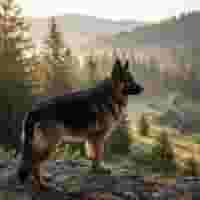

Um German Shepherd Dog combina contigo?
Traços de personalidade, compatibilidade familiar e estilo de vida: tudo para decidir.
Um German Shepherd Dog combina contigo?
Faz o nosso quiz de compatibilidade de 1 minuto com base em dados reais de donos
Saiba antes de decidir
Important behavioral traits that potential owners should understand:
The GSD was bred to patrol boundaries and alert to changes in the environment. In a modern suburban context, this often manifests as leash reactivity or barrier frustration. Without confident leadership and extensive socialization, their natural suspicion of strangers can escalate into fear-based aggression.
GSDs are herding dogs with a high need for control. They often struggle in chaotic environments (like children's parties or dog parks) where they may attempt to nip heels or "police" movement to restore order.
This is a "Velcro" breed that bonds intensely with its handler. They are prone to severe separation anxiety, often resulting in destruction of drywall, doors, and furniture if left alone for long periods without conditioning.
While many GSDs live peacefully in packs, same-sex aggression—particularly between females—is a documented issue that often emerges at sexual maturity (12–24 months).
Compatibilidade familiar
How German Shepherd Dogs typically interact with different family members and pets:
Children (0-5 years)
German Shepherd Dogs are typically patient and gentle with young children - always supervise interactions
Tip: Teach children to be gentle, never disturb during eating or sleeping
Children (5-12 years)
Excellent playmates! German Shepherd Dogs often bond strongly with school-age children
Tip: Great age to involve kids in feeding, grooming, and training
Teenagers
German Shepherd Dogs typically do well with teenagers who can help with exercise and care
Tip: Teens can take on walking and training responsibilities
Other Dogs
Most German Shepherd Dogs can live harmoniously with other dogs when properly introduced
Tip: Gradual introductions on neutral territory work best
Cats
High prey drive may make cat cohabitation challenging
Tip: Early socialization with cats increases success
Small Pets (rabbits, hamsters)
Caution advised - most dogs have some prey instinct toward small animals
Tip: Always keep small pets securely housed when dog is present
Compatibilidade com a sua situação de vida
Apartment
German Shepherd Dogs may find apartment living challenging
- Daily walks are essential
- Generally quiet indoors
- Mental stimulation important
House with Yard
Ideal setup for most German Shepherd Dogs - space to play and explore
- Secure fencing required
- Supervised outdoor time recommended
- Still needs walks for enrichment
Rural/Farm
German Shepherd Dogs thrive with lots of space to run
- Good recall training essential
- Watch for wildlife
- Plenty of room to exercise
First-Time Owner
German Shepherd Dogs are excellent for first-time owners - eager to please and trainable
- Basic obedience classes recommended
- Plenty of patience
- Consistent routine
Work From Home
German Shepherd Dogs love having their people around all day
- Set boundaries for work time
- Schedule regular breaks for play
- Create a comfortable space for them
Away 8+ Hours
German Shepherd Dogs may struggle with long alone time - prone to boredom and anxiety
- Dog walker or daycare strongly recommended
- Puzzle toys essential
- Consider a companion pet
Treinar o seu German Shepherd Dog
Highly Trainable
Quick learner, eager to please, excellent for first-time owners
Dicas de treinamento
- Use positive reinforcement
- Start training early
- Keep sessions short and fun
- Consistent commands work best
Necessidades de exercício
Precisa de 90-120 minutos de exercicio diario
Atividades recomendadas:
- Daily walks (vary routes for mental stimulation)
- Fetch and interactive play
- Puzzle toys and training sessions
Estimulação mental
German Shepherd Dogs are intelligent dogs that need mental challenges to stay happy and prevent boredom-related behaviors.
Ideias:
- Puzzle feeders and treat-dispensing toys
- Short training sessions (10-15 min)
- Nose work and scent games
- New environments and experiences