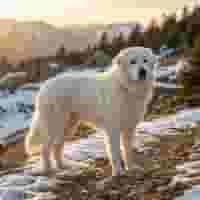

Problemas de saúde e prevenção do Great Pyrenees
Problemas de saúde comuns, sintomas a observar e como manter o teu Great Pyrenees saudável.
Problemas de saúde comuns no Great Pyrenees
Com base em investigação veterinária e estudos de saúde da raça
A health condition that may affect some Great Pyreneess based on owner reports.
Sintomas a observar
- Behavioral changes
- Physical discomfort
- Changes in appetite or activity
Dicas de prevenção
- Regular vet checkups
- Maintain healthy lifestyle
- Early detection through monitoring
A genetic condition where the hip joint doesn't develop properly, causing the ball and socket to grind instead of sliding smoothly.
Sintomas a observar
- Limping or bunny-hopping gait
- Difficulty rising or jumping
- Reduced activity or reluctance to exercise
- Loss of muscle mass in hind legs
Dicas de prevenção
- Maintain healthy weight
- Avoid over-exercising puppies
- Use joint supplements (glucosamine)
- Choose reputable breeders with hip-tested parents
Abnormal cell growth that can affect various organs, more common in certain breeds and older dogs.
Sintomas a observar
- Unusual lumps or bumps
- Unexplained weight loss
- Loss of appetite
- Lethargy or weakness
Dicas de prevenção
- Regular vet checkups
- Monitor for lumps
- Spay/neuter may reduce some risks
- Healthy diet and lifestyle
A health condition that may affect some Great Pyreneess based on owner reports.
Sintomas a observar
- Behavioral changes
- Physical discomfort
- Changes in appetite or activity
Dicas de prevenção
- Regular vet checkups
- Maintain healthy lifestyle
- Early detection through monitoring
Kneecap dislocation where the patella moves out of its normal position, common in small breeds.
Sintomas a observar
- Skipping or hopping gait
- Sudden leg lifting
- Reluctance to jump
- Locking of hind leg
Dicas de prevenção
- Maintain healthy weight
- Avoid excessive jumping
- Ramps instead of stairs
- Genetic screening for breeding
Testes genéticos recomendados
Ask breeders for these health clearances before purchasing a puppy
Great Pyreneess may be prone to:
General Health Concerns
Regular vet visits help catch issues early
Linha do tempo de saúde do Great Pyrenees
O que acompanhar em cada fase da vida para manter o teu Great Pyrenees saudável.
Puppy
0-1 year
- Complete vaccination series
- Spay/neuter discussion with vet
- Socialization and training foundation
- Deworming and parasite prevention
- Establish dental care routine
Every 3-4 weeks until 16 weeks, then at 6 and 12 months
Adult
1-7 years
- Annual wellness exams and vaccinations
- Dental cleaning as needed
- Maintain healthy weight
- Watch for early signs of breed-specific conditions
- Regular heartworm and flea prevention
Annually, more often if concerns arise
Senior
7+ years
- Bi-annual wellness exams
- Blood work and organ function screening
- Joint supplements and pain management
- Adjust diet for senior needs
- Watch for common age-related conditions in Great Pyreneess
Every 6 months, with comprehensive bloodwork annually
Perguntas para fazer ao seu veterinário sobre Great Pyreneess
What breed-specific health screenings do you recommend?
Are there any genetic tests available for common Great Pyrenees conditions?
What's the ideal weight range for my Great Pyrenees?
When should we start joint supplements or senior care?
What early warning signs should I watch for based on the breed's health profile?
Do you recommend pet insurance for Great Pyreneess?
Perguntas frequentes
What are the most common health issues in Great Pyreneess?
How long do Great Pyreneess typically live?
Are Great Pyreneess prone to allergies?
How often should I take my Great Pyrenees to the vet?
Should I get pet insurance for my Great Pyrenees?
Incorporar este widget de saúde
Add Great Pyrenees health info to your website
<iframe src="https://dogfluence.com/embed/breed-health/great-pyrenees" width="400" height="500" frameborder="0" style="border-radius: 12px; box-shadow: 0 2px 8px rgba(0,0,0,0.1);"></iframe>