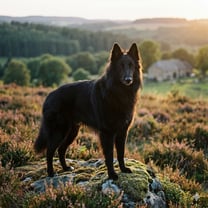
The Honest Truth
Before you fall in love, know what you're getting into.
The Malinois variety is genetically wired to bite. This is not aggression in the human sense, but a high-drive interaction with the world. They communicate, play, and work with their mouths. Without an outlet (like a bite sleeve or tug toy), this drive will be directed at arms, legs, and children.
These dogs are bred to notice changes in their environment. In a modern suburb, it can manifest as reactive barking at every delivery truck, neighbor, or leaf that blows by. If under-stimulated, they develop obsessive-compulsive behaviors (spinning, tail chasing, self-mutilation).
Unlike breeds that welcome strangers, a Belgian Shepherd is naturally suspicious. Without extensive socialization (100+ people in the first 100 days), this suspicion turns into fear-aggression. They are a liability risk for households with frequent guests or children's playdates.
The Belgian Malinois frequently appears on insurance blacklists alongside Pit Bulls and Rottweilers. Owners may face premium hikes or policy cancellations. Almost universally banned on 'aggressive breed' rental lists.
Health Overview
View full health guide →Ownership Costs
View full breakdown →Includes food, insurance, vet visits, grooming, and supplies
Living Situation
With Other Pets
Climate & Seasonal Care
The 'Blow' - twice a year (Spring/Fall), they lose their entire undercoat. You will fill trash bags with fur. Tervurens/Groenendaels love snow. Malinois need movement to stay warm. Heat tolerance is moderate - drive may override self-preservation leading to heatstroke.
Breed Origins
Living With a Belgian Shepherd
- The 'John Wick Effect' - owners expected a cool movie dog but got a high-liability working animal
- Destruction of property (drywall, couches, car interiors) when under-exercised
- Adolescent regression at 8-14 months when most are surrendered
- Bite incidents from untrained prey/bite drive
- Insurance or rental housing issues
Exercise Menu
90-120 min/dayLife Stages
Belgian puppies will hunt your children's ankles. They are 'land sharks' until 6-8 months with no 'off' switch. Require enforced naps in crates to prevent over-stimulation tantrums. At 8-14 months, they may challenge handlers and 'forget' training - this is when most are surrendered.
Peak energy age: 1-4 years
Prime years - energy stabilizes but remains active
Rapid decline in senior years. Arthritis and cancer are the main enemies. Prime working years are 2-8.
First Year Reality Check
Travel & Adventure
Usually excellent in cars (crate recommended). Hotels are difficult - they may bark at hallway noises, leading to eviction. Excellent for camping/hiking as tireless companions but must be leashed due to prey drive.
Safety & Containment
They can climb chain-link fences and clear 6-foot walls. A 2-meter fence with a 'coyote roller' or lean-in is recommended. Muzzle training is mandatory - not because they are 'mean,' but because a muzzle keeps them and the public safe during vet visits or high-stress situations.
Breeding Information
Special Abilities
Training Guide
- Use clear, fair, marker-based training
- Teach 'capturing calm' from puppyhood
- Budget for professional training with working breed specialists
- Muzzle train early - not for aggression, but for safety in high-stress situations
- Enforce nap times in crate to prevent over-stimulation
- Correction sensitivity - harsh physical correction backfires, causing defensive aggression or shutting the dog down
- Lightning-fast processing - if you are slow with a reward, they have already moved on
- Adolescent regression at 8-14 months
- Managing bite drive appropriately
Community Insights
No Belgian Shepherd insights yet
We're gathering data from real Belgian Shepherd owners. Be the first to share your experience!
Register your Belgian ShepherdFeatured Belgian Shepherds
Be the first Belgian Shepherd creator!
No Belgian Shepherds registered yet. Join Dogfluence and showcase your furry friend to brands.
Start creatingReal Belgian Shepherd photos
No published Belgian Shepherd photos yet. Be the first to add yours to the free photo library.
Care Tips for Belgian Shepherds
Intensive Exercise: Belgian Shepherds require 90-120 minutes of daily exercise combining physical activity (flirt pole, sprinting, swimming) with mental stimulation (obedience drilling, scent work). A walk around the block does nothing for this breed.
Professional Training: This is not a DIY breed for most owners. Budget for professional training with trainers experienced in working breeds (IGP/Schutzhund/Ring Sport). Use marker-based training (clicker) as they are correction-sensitive despite their hardness in work.
Extensive Socialization: Without extensive socialization (100+ people in the first 100 days), their natural suspicion can turn into fear-aggression. They are a liability risk for households with frequent guests or children's playdates.
Breed Characteristics
Belgian Shepherd comparisons
More Belgian Shepherd Resources
Belgian Shepherd Costs
Calculate the true cost of ownership
Belgian Shepherd Health
Common health issues & prevention
Belgian Shepherd Grooming
Coat care & grooming tips
Belgian Shepherd Food
Nutrition & diet recommendations
Belgian Shepherd Temperament
Personality & behavior traits
Belgian Shepherd Name Ideas
Find the perfect name for your Belgian Shepherd
Belgian Shepherd Hashtags
Top Instagram hashtags for Belgian Shepherd posts
Not the Right Fit?



Frequently Asked Questions
Join as a Belgian Shepherd Creator
Love your Belgian Shepherd? Join thousands of dogfluencers and get sponsored by top pet brands!
Register my channel