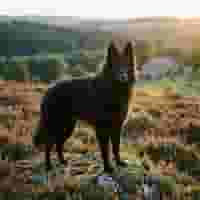

Is a Belgian Shepherd right for you?
Personality traits, family compatibility, and lifestyle match - everything you need to decide.
Is a Belgian Shepherd right for you?
Take our 1-minute compatibility quiz based on real owner data
Know Before You Commit
Important behavioral traits that potential owners should understand:
The Malinois variety is genetically wired to bite. This is not aggression in the human sense, but a high-drive interaction with the world. They communicate, play, and work with their mouths. Without an outlet (like a bite sleeve or tug toy), this drive will be directed at arms, legs, and children.
These dogs are bred to notice changes in their environment. In a modern suburb, it can manifest as reactive barking at every delivery truck, neighbor, or leaf that blows by. If under-stimulated, they develop obsessive-compulsive behaviors (spinning, tail chasing, self-mutilation).
Unlike breeds that welcome strangers, a Belgian Shepherd is naturally suspicious. Without extensive socialization (100+ people in the first 100 days), this suspicion turns into fear-aggression. They are a liability risk for households with frequent guests or children's playdates.
The Belgian Malinois frequently appears on insurance blacklists alongside Pit Bulls and Rottweilers. Owners may face premium hikes or policy cancellations. Almost universally banned on 'aggressive breed' rental lists.
Family Compatibility
How Belgian Shepherds typically interact with different family members and pets:
Children (0-5 years)
Belgian Shepherds may need careful introduction and supervision with young children
Tip: Teach children to be gentle, never disturb during eating or sleeping
Children (5-12 years)
Can be good with older children who understand how to interact with dogs
Tip: Great age to involve kids in feeding, grooming, and training
Teenagers
Belgian Shepherds typically do well with teenagers who can help with exercise and care
Tip: Teens can take on walking and training responsibilities
Other Dogs
Most Belgian Shepherds can live harmoniously with other dogs when properly introduced
Tip: Gradual introductions on neutral territory work best
Cats
High prey drive may make cat cohabitation challenging
Tip: Early socialization with cats increases success
Small Pets (rabbits, hamsters)
Caution advised - most dogs have some prey instinct toward small animals
Tip: Always keep small pets securely housed when dog is present
Living Situation Compatibility
Apartment
Belgian Shepherds may find apartment living challenging
- Daily walks are essential
- Generally quiet indoors
- Mental stimulation important
House with Yard
Ideal setup for most Belgian Shepherds - space to play and explore
- Secure fencing required
- Supervised outdoor time recommended
- Still needs walks for enrichment
Rural/Farm
Belgian Shepherds thrive with lots of space to run
- Good recall training essential
- Watch for wildlife
- Plenty of room to exercise
First-Time Owner
Belgian Shepherds may be better suited for experienced owners
- Consider professional training
- Research breed thoroughly
- Be prepared for challenges
Work From Home
Belgian Shepherds love having their people around all day
- Set boundaries for work time
- Schedule regular breaks for play
- Create a comfortable space for them
Away 8+ Hours
Belgian Shepherds may struggle with long alone time - prone to boredom and anxiety
- Dog walker or daycare strongly recommended
- Puzzle toys essential
- Consider a companion pet
Training Your Belgian Shepherd
Moderately Trainable
Responds well to consistent training with patience
Training Tips
- Be patient and consistent
- Use high-value treats
- Keep training sessions varied
- Consider professional classes
Common Challenges
- May need more repetition
- Can be occasionally stubborn
Pro tip: Consider professional training classes, especially for first-time Belgian Shepherd owners. Group classes also provide valuable socialization.
Exercise Needs
Needs 90-120 minutes of daily exercise
Recommended Activities:
- Daily walks (vary routes for mental stimulation)
- Fetch and interactive play
- Puzzle toys and training sessions
Mental Stimulation
Belgian Shepherds are intelligent dogs that need mental challenges to stay happy and prevent boredom-related behaviors.
Ideas:
- Puzzle feeders and treat-dispensing toys
- Short training sessions (10-15 min)
- Nose work and scent games
- New environments and experiences