Great Pyrenees vs Saint Bernard
A side-by-side comparison to help you find the right breed for your lifestyle.
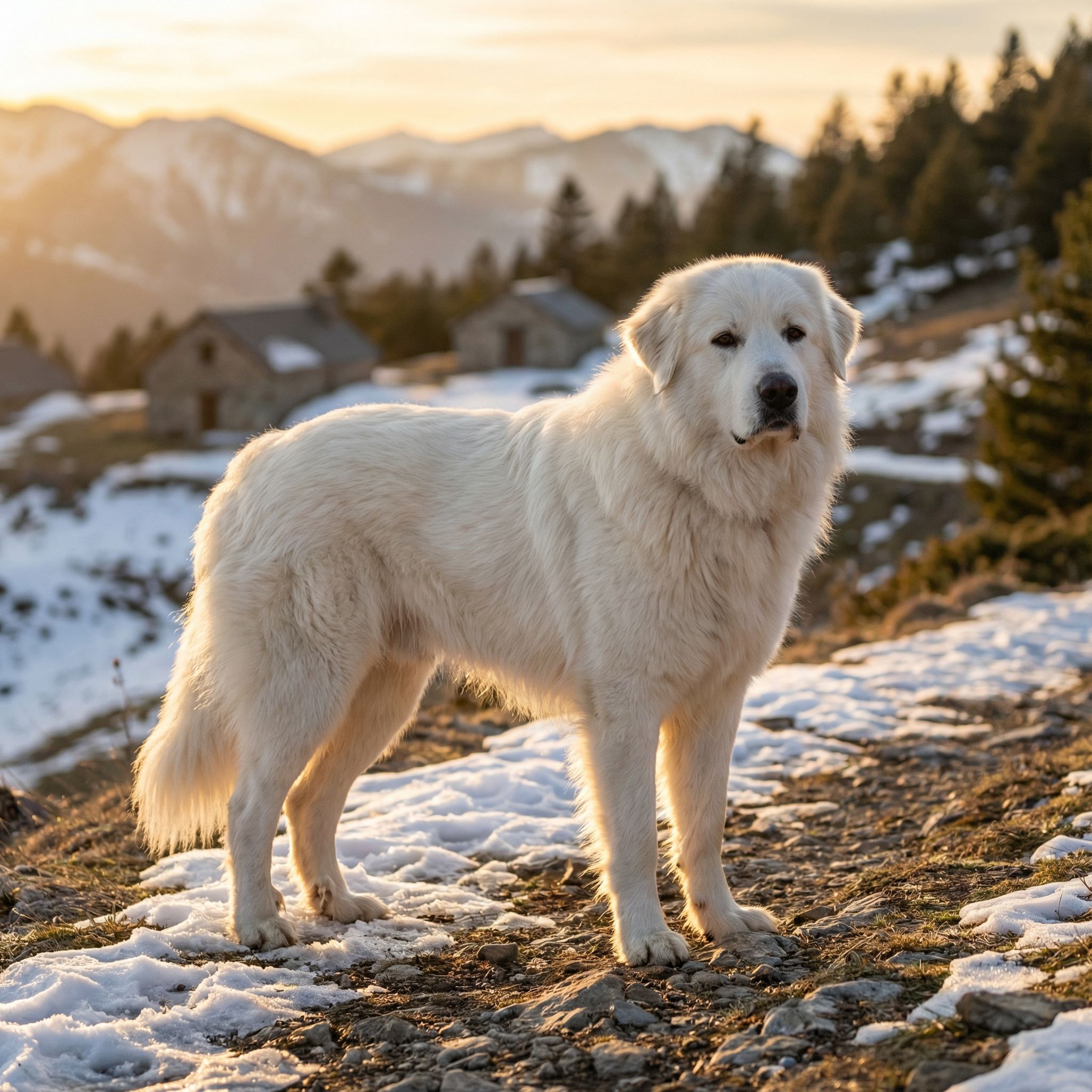
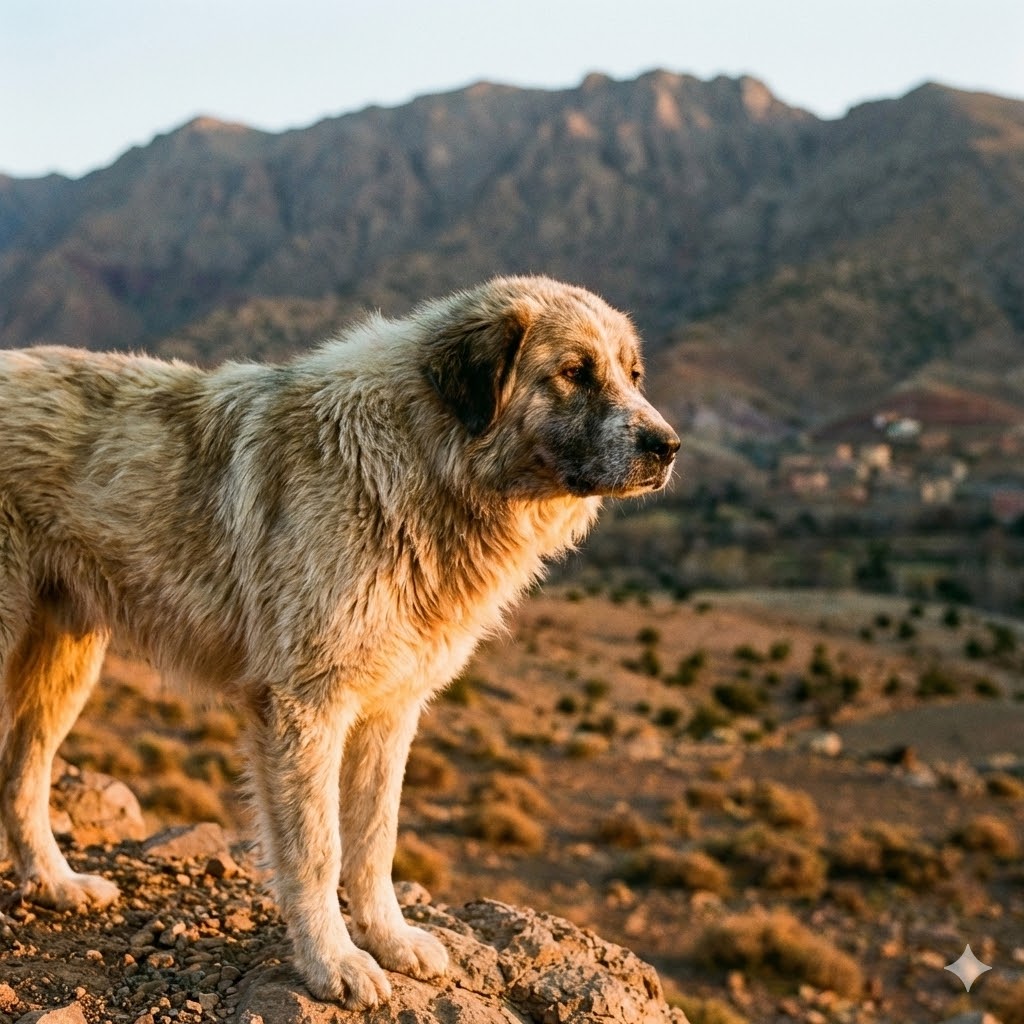
Great Pyrenees
Also known as: Pyr, Pyrenean Mountain Dog, Chien de Montagne des Pyrenees
The Great Pyrenees is a majestic livestock guardian weighing 38-72 kg, bred to work independently in the Pyrenees Mountains. While gentle with family, their nocturnal barking, roaming instinct, and independent nature require experienced owners with secure fencing. Not recommended for apartments or first-time owners.
Extra Large
Medium
10-12 yrs
65-82 cm
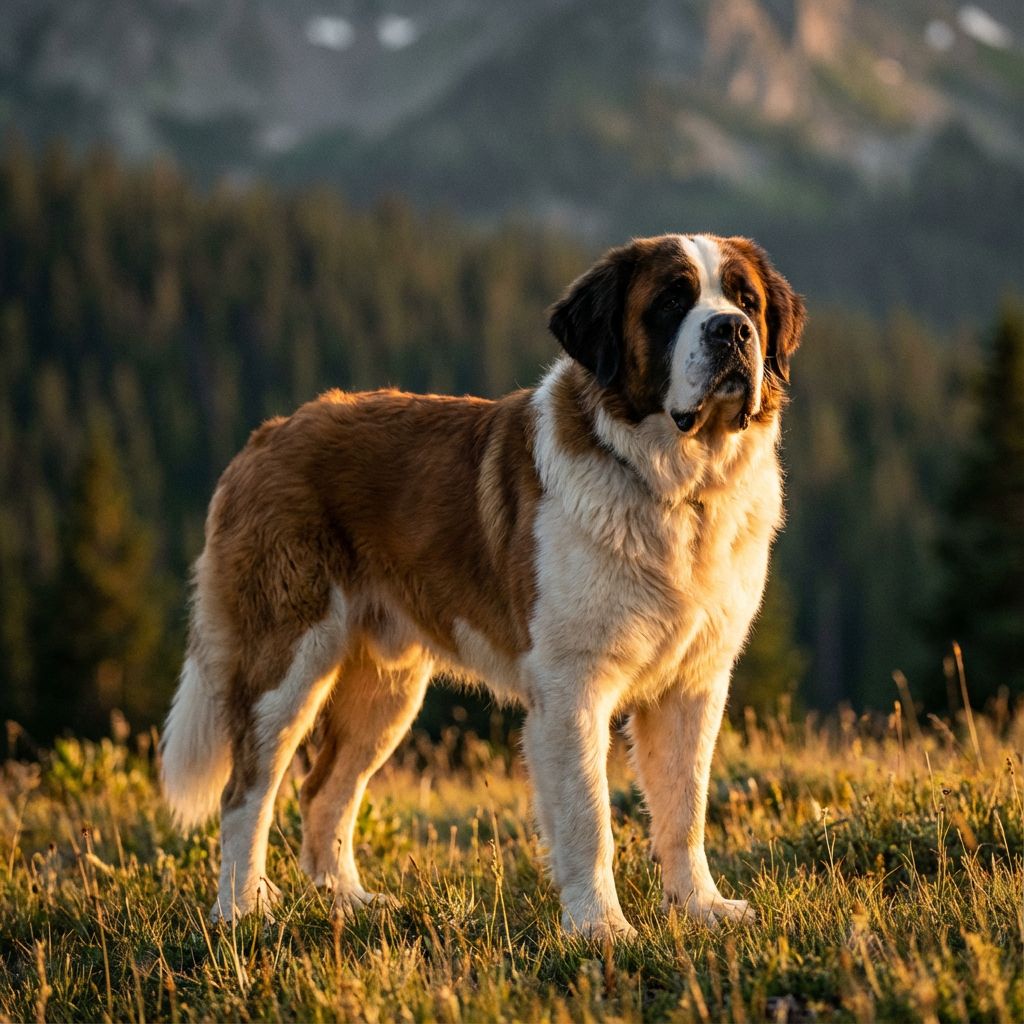
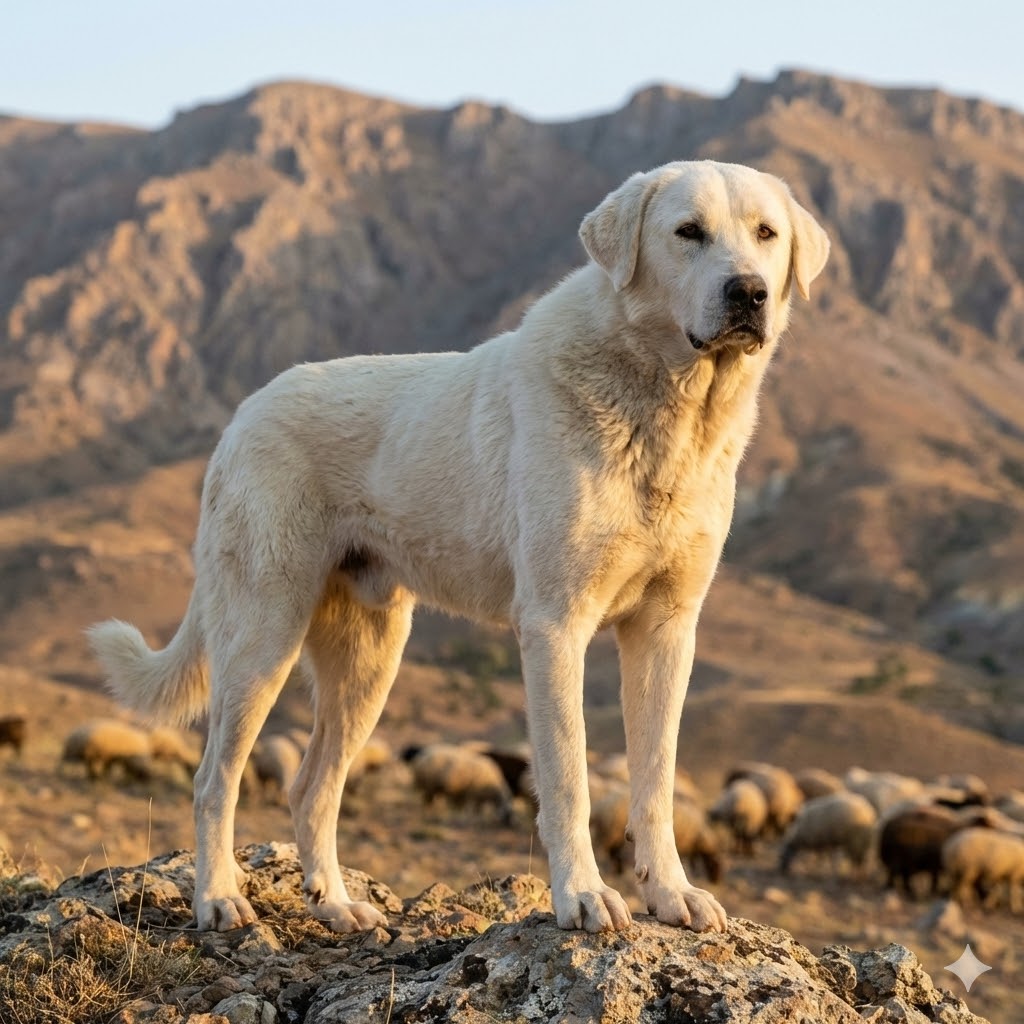
Saint Bernard
The Saint Bernard is a large, gentle dog breed known for its impressive size, friendly demeanor, and history as a rescue dog in the Swiss Alps. Renowned for their loyalty and affectionate nature, these dogs make excellent family companions and are easily recognizable by their distinctive, expressive faces and thick, warm coats.
Extra Large
Medium
8-10 yrs
N/A
Quick Comparison
| Trait | Great Pyrenees | Saint Bernard |
|---|---|---|
| Energy | ||
| Trainability | ||
| Grooming Needs | ||
| Family Friendly | ||
| Independence |
Key Characteristics
| Good with Kids | ||
| Good with Dogs | ||
| Good with Cats | ||
| Hypoallergenic | ||
| Apartment Friendly | ||
| First-Time Owner OK |
| Detail | Great Pyrenees | Saint Bernard |
|---|---|---|
| Size | Extra Large | Extra Large |
| Energy Level | Medium | Medium |
| Grooming | High | High |
| Trainability | challenging | challenging |
| Barking Level | High | High |
| Shedding Level | High | High |
| Chew strength | Moderate | Hard |
| Housing | Acreage | Yard |
Owner Fit & Decision Guide
Owner Match
| Trait | Great Pyrenees | Saint Bernard |
|---|---|---|
| Experience Level | Advanced | Experienced |
| First-Time Owner | ||
| Ideal Owner | Experienced owner with acreage or large securely fenced yard, tolerant of nocturnal barking, understanding of independent working breeds, possibly with livestock to guard. Patient with training and comfortable with a dog that thinks for itself. | Active individual or family who can provide adequate exercise and training for a Saint Bernard. |
Great Pyrenees Dealbreakers
- Live in an apartment or rental
- Have close neighbors sensitive to barking
- Want a dog that obeys commands instantly
- Don't have a secure physical fence
- Want a pristine, fur-free home
- Need a running or high-intensity exercise partner
Saint Bernard Dealbreakers
- Cannot meet 30-60 min daily exercise
- Cannot tolerate heavy shedding
Surrender Risk
| Factor | Great Pyrenees | Saint Bernard |
|---|---|---|
| Risk Level | High | Medium |
| Primary Reasons | Nocturnal barking - owners get a fluffy puppy that starts barking all night at 1 year old, Roaming/escape - jumping fences to expand territory, Resource guarding - growling over food scares families who expected Golden Retriever temperament, Size underestimated - 120lb dog that refuses to move and may growl when asked to get off couch | Underestimated exercise needs, Behavioral challenges, Cost of care |
Temperament & Personality
Behavior Comparison
| Trait | Great Pyrenees | Saint Bernard |
|---|---|---|
| Prey Drive | ||
| Watchdog Ability | ||
| Stranger Friendly | ||
| Drool Level | ||
| Wanderlust |
Vocalization
| Trait | Great Pyrenees | Saint Bernard |
|---|---|---|
| Barking Level | High | High |
| Howling Tendency | ||
| Whining Tendency | Low | Low |
| Separation Vocalization |
Safety & Reliability
| Trait | Great Pyrenees | Saint Bernard |
|---|---|---|
| Escape Artist | ||
| Dog Park Suitable | ||
| Off-Leash Reliable | ||
| Small Animal Safe | ||
| Leash Reactivity | ||
| Resource Guarding Risk | Moderate to High | Low |
Great Pyrenees Social Traits
High
Same-sex aggression common, especially females. Keep opposite-sex pairs for peace.
Saint Bernard Social Traits
Moderate
Generally friendly
Training
Great Pyrenees
- Must convince them your request is worth their effort
- Harsh corrections cause shutdown or defensive behavior
- Focus on management over strict obedience
- Accept that recall will never be 100% reliable
Saint Bernard
- ** Positive reinforcement is mandatory. They are sensitive souls; harsh corrections will cause them to shut down or become fearful.
Great Pyrenees Considerations
The #1 complaint from suburban owners. Pyrs are genetically hardwired to patrol and bark at night - they were bred to ward off wolves and bears. This instinct cannot be trained out, only managed. Expect deep, booming barks at 2 AM when a leaf blows across the driveway.
Great Pyrenees do not believe in property lines. Without a secure 5-6 foot physical fence, they will expand their territory to include the entire neighborhood. They are notorious escape artists and will take the shock from invisible fences to pursue threats.
Adult Pyrs often exhibit severe aggression toward dogs of the same sex, particularly females. This usually manifests around social maturity (18-24 months). Opposite-sex pairs are generally recommended.
Pyrs are not dumb - they are independent. When called, they evaluate whether coming is more important than what they are currently doing (usually guarding). If they decide it isn't, they will ignore you completely.
Saint Bernard Considerations
Despite their size, Saints are profoundly needy. They do not tolerate isolation well and can develop destructive separation anxiety. A 160lb dog with anxiety can destroy drywall, doors, and furniture in minutes.
While benevolent, they are not blindly obedient like a Golden Retriever. They possess a slow-burning stubbornness; if a Saint Bernard decides not to move, you cannot physically force them. This requires patience and psychological motivation rather than physical correction.
Between 8 and 24 months, they are essentially giant, clumsy puppies. They can unintentionally knock over children, grandparents, and furniture. Leash manners must be solidified before they reach full weight, or they will become dangerous to walk.
Multi-Species Compatibility
| Species | Great Pyrenees | Saint Bernard |
|---|---|---|
| With Cats | Excellent - bred to protect vulnerable animals, views cats as part of the flock to guard | Generally safe with proper introduction |
| Small Mammals | Good - low prey drive, protective instinct toward smaller animals in their family | Supervision required |
| Birds / Reptiles | Good with supervision - generally safe due to arrested predatory sequence | Caution advised |
Advanced Behavior
| Trait | Great Pyrenees | Saint Bernard |
|---|---|---|
| Predatory Sequence Risk | Arrested | Medium |
| Biddability | Low | Low |
| Noise Sensitivity | Low | Low |
| Territorial Barking | ||
| Same-Sex Aggression Onset | 18 months | 18 months |
Great Pyrenees: Predatory sequence arrested early - may chase predators to drive away but lack dissect/consume drive. Brilliant problem solvers but low 'working intelligence' (willingness to follow commands). Bred to work without humans so don't look to humans for answers.
First Year & Life Stages
First Year Challenges
| Challenge | Great Pyrenees | Saint Bernard |
|---|---|---|
| Puppy Difficulty | ||
| Destructive Phase | 6-18 | 6-18 |
| House Training | Medium | Challenging |
| Crate Training | Medium | Medium |
| Adolescent Regression |
Great Pyrenees: Pyr puppies are large, stubborn land sharks. A 6-month-old is the size of a German Shepherd but has the brain of a toddler. Critical socialization window 8-16 weeks - must expose to strangers, other dogs, and strange noises or natural guarding instinct can turn into fear-aggression.
Saint Bernard: Saint Bernard puppies require consistent training and patience.
Life Stages Timeline
| Stage | Great Pyrenees | Saint Bernard |
|---|---|---|
| Puppy Phase | 18 months | 12 months |
| Adolescence | 10-24 | 6-18 |
| Adult Years | 2-8 | 2-8 |
| Senior Onset | ~8 years | ~8 years |
| Peak Energy Age | 1-2 years | 1-3 years |
Size & Physical Characteristics
Physical Stats
| Measurement | Great Pyrenees | Saint Bernard |
|---|---|---|
| Height | 65-82 cm | N/A |
| Weight | Not enough data yet | Not enough data yet |
| Size Category | Extra Large | Extra Large |
| Lifespan | 10–12 years | 8–10 years |
| Litter Size | 6-10 | 4-8 |
Great Pyrenees Coat
Saint Bernard Coat
Lineage & Origin
| Detail | Great Pyrenees | Saint Bernard |
|---|---|---|
| Original Purpose | Autonomous livestock guardian - protecting sheep from wolves and bears in the Pyrenees Mountains without human guidance | The Saint Bernard was developed by monks at the Great St |
| Origin | Pyrenees Mountains (France/Spain), ancient breed | N/A |
Breeding Details
| Detail | Great Pyrenees | Saint Bernard |
|---|---|---|
| C-Section Rate | Low | Varies |
| Whelping Difficulty | Easy | Medium |
| Puppy Mortality Rate | Low | Low |
Physical Risks
| Risk | Great Pyrenees | Saint Bernard |
|---|---|---|
| Bloat / GDV Risk | High | Low |
| Slippery Floor Risk | Medium | Low |
| Min Fence Height | 1.5m | 1.5m |
| Dig / Escape Risk | High | Low |
Health & Common Conditions
Great Pyrenees Health Issues
Saint Bernard Health Issues
Great Pyrenees Suggested Tests
- Gastropexy (stomach tacking) - recommended during spay/neuter
- Neuronal Degeneration (NDG) DNA test
- Hip Evaluation (OFA)
- Elbow Evaluation
- Patella Evaluation
Saint Bernard Suggested Tests
- OFA/PennHIP certifications for hips and elbows
- Ophthalmologist clearances for eyes
- Cardiac exams for heart health
Health Risk Overview
| Risk Factor | Great Pyrenees | Saint Bernard |
|---|---|---|
| Cancer Risk | High (osteosarcoma) | Medium |
| Cardiac Risk | Low | Low |
| Neurological Risk | Medium (NDG) | Low |
| CCL/ACL Tear Risk | Medium | Low |
| Vet Burden Tier | High | Medium |
Sensitivities & Allergies
| Sensitivity | Great Pyrenees | Saint Bernard |
|---|---|---|
| Skin Allergies | ||
| Environmental Allergies | ||
| Stomach Sensitivity | Low | Low |
| Food Allergies | Generally robust |
Health Maintenance
| Care Item | Great Pyrenees | Saint Bernard |
|---|---|---|
| Nail Growth Rate | Normal | Normal |
| Eye Care Needs | Medium (entropion risk) | Low |
| Anal Gland Issues | Rare | Occasional |
Senior Care & Aging
Great Pyrenees Senior Care
Common Senior Issues
- Arthritis/mobility decline
- Osteosarcoma (bone cancer)
- Hip dysplasia progression
- Vision decline
Mobility slows around 8+ years. Arthritis management becomes primary focus. Ramps for cars and stairs become necessary.
Saint Bernard Senior Care
Common Senior Issues
- Arthritis
- Vision decline
- Cognitive changes
Senior care varies by individual health.
Grooming & Care
Great Pyrenees
high maintenanceSaint Bernard
high maintenanceLifestyle Compatibility
Great Pyrenees Daily Life
Saint Bernard Daily Life
Housing & Legal Restrictions
| Restriction | Great Pyrenees | Saint Bernard |
|---|---|---|
| BSL Restricted | ||
| Common Rental Ban | ||
| Insurance Blacklist | ||
| Weight Category | Over 50lbs | Under 50lbs |
Climate Tolerance
| Climate | Great Pyrenees | Saint Bernard |
|---|---|---|
| Heat Tolerance | ||
| Cold Tolerance | ||
| Water Affinity | Low | Medium |
Travel Compatibility
| Activity | Great Pyrenees | Saint Bernard |
|---|---|---|
| Car Travel | Good | Good |
| Camping | ||
| Beach Friendly | ||
| Hiking Rating | ||
| Cabin Flight Eligible | ||
| Hotel Friendly Size |
Niche Suitability
| Role | Great Pyrenees | Saint Bernard |
|---|---|---|
| Service Dog | Low | Low |
| Therapy Dog | Low | Low |
| Deep Pressure Therapy | ||
| Canicross / Bikejoring | ||
| Apartment Adaptable | ||
| Tactile / Sensory Friendly | ||
| Livestock Guardian | ||
| Medical Alert | None | Low |
Costs & Expenses
Upfront Costs
| Cost | Great Pyrenees | Saint Bernard |
|---|---|---|
| Purchase Price | $1,800-4,000 | N/A |
| Initial Cost Range | $1,800–$4,000 | $1,000–$2,500 |
| Cost Tier |
Ongoing Costs
| Cost | Great Pyrenees | Saint Bernard |
|---|---|---|
| Monthly Range | $180–$300 | $180–$330 |
| Yearly Range | $2,160–$3,600 | $2,160–$3,960 |
| Food / Month | $100-150 | $100-180 |
| Insurance / Month | $50-80 | $80-150 |
| Grooming / Session | $100-200 | N/A |
| Vet Routine / Year | $600-1,500 | $500-800 |
| Monthly Cost Tier |
Great Pyrenees Lifetime Cost
$25,000-45,000
Saint Bernard Lifetime Cost
N/A
Quirks & Fun Facts
Daily Quirks
| Quirk | Great Pyrenees | Saint Bernard |
|---|---|---|
| Snoring | ||
| Flatulence | Rare | Occasional |
| Slobber Level | Moderate | Low |
| Smell When Wet | Mild | Moderate |
| Zoomies Frequency | Rare | Occasional |
| Counter Surfing | ||
| Digging Tendency | High | Low |
Great Pyrenees Quirks
The Pyr Paw
Will forcefully paw at you to demand attention - can be painful given their size and claw strength
The Pyr Lean
Shows affection by leaning their entire 100lb+ weight against your legs
Mud Magnet
White coat is surprisingly self-cleaning (mud dries and falls off) - but the mud falls off onto your floor
Selective Deafness
Will evaluate your command, decide if it's worth their effort, and ignore you if it isn't
Snow Obsession
Will refuse to come inside during snowstorms - thrive in freezing temperatures
Frequently Asked Questions
Turn your dog into a brand deal.
Pet brands are looking for authentic creators — not celebrities. If you own a Great Pyrenees or Saint Bernard, you can get free products, gear, and exclusive perks just for sharing your dog's life on Instagram.
No followers minimum · Free to join
Compare with Other Breeds
Compare Great Pyrenees with:

Based on comprehensive breed research data.