For creators
What makes a dog Instagram post work in 2026 (and how to make your next one better)
Reach, likes, the algorithm — it changed. We pulled 23,338 dog-creator posts to show what actually moves a post in 2026, and the one habit that beats ten growth hacks.

Dogfluence Editorial
Jun 21, 2026 · 8 min read
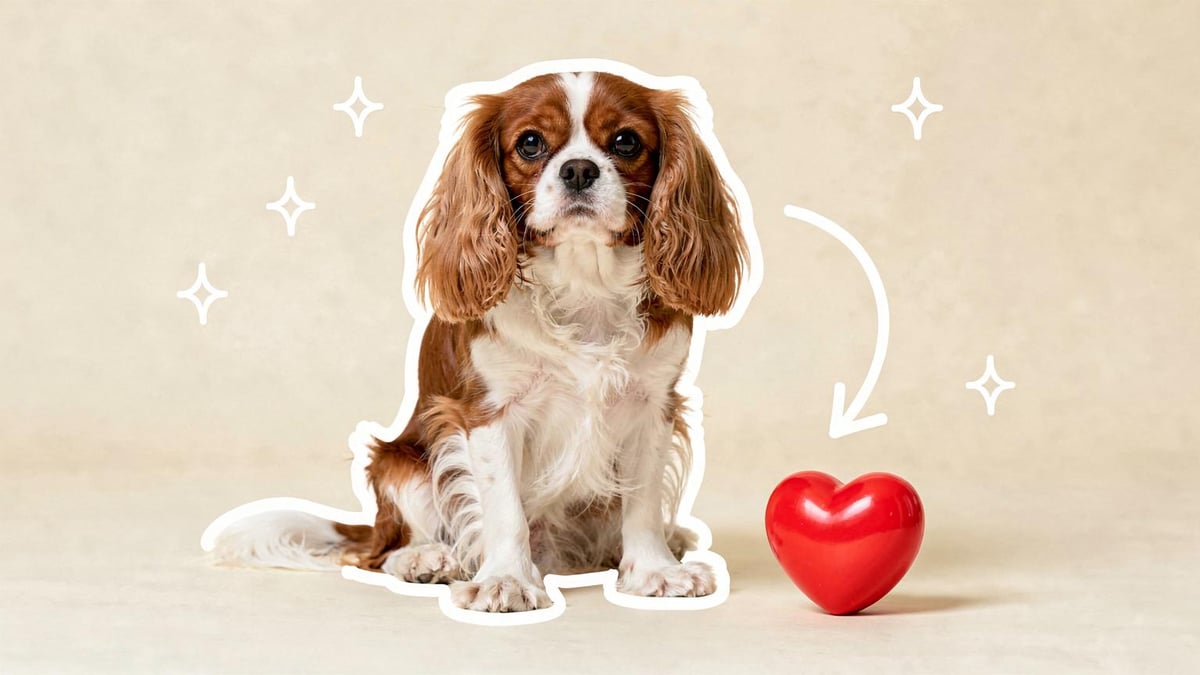
You posted something you loved. The dog looked perfect, the light was good, the moment was real — and then it just sat there. A handful of likes, a quiet feed, and that little voice asking what did I do wrong?
Usually, nothing. The post wasn't bad; it just didn't give the 2026 algorithm what it now looks for. Instagram has changed what it rewards, and most "dog Instagram tips" still describe a platform that stopped existing two years ago. Here's what actually moves a post today — grounded in 23,338 real dog-creator posts — and, more importantly, how to make your next one better.
What does the Instagram algorithm actually reward in 2026?
Watch time, sends, and saves — in roughly that order. In January 2025, Instagram head Adam Mosseri spelled it out: the signals that matter most are average watch time, likes per reach, and sends per reach, and he added that "sends are slightly more important" for reaching people who don't already follow you. Read that twice, because it rewrites the playbook: a post that gets shared into one group chat now travels further than one that gets fifty silent likes. Likes haven't disappeared, they've just been demoted to a vanity metric. The currency now is did someone send this to a friend, and did someone save it for later.
That single shift explains most "good post, no reach" mysteries. You were optimising for the applause. The algorithm is counting the forwards.
Why do your comments matter more than your likes?
Because comments are the one part of your data that tells you what to make next. A like is a shrug of approval; a comment is a person handing you a brief. And dog audiences are unusually generous with them — pet content reliably draws questions about breed, age, name, and "where did you get that harness?" When the same question keeps surfacing, that is your next post.
This isn't a hunch. In our data, conversation clusters on the slower formats: across 23,338 dog-creator posts, comments made up about 18% of all engagement on carousels and single photos, nearly double the ~10% on Reels — and the average photo drew roughly 48 comments to a Reel's 22. The takeaway isn't "stop making Reels." It's that your comment section is a recurring focus group you already own, and almost nobody mines it. If 60% of last week's comments asked your dog's breed, your next caption should open with the answer, and you should pin it. Curiosity you ignore scrolls away; curiosity you satisfy converts to a follow.
The mechanical half — actually replying, fast, to everyone — is its own quiet growth lever. We dug into that separately in how top dog creators reply to comments, and the habit that won wasn't clever wording, it was simply showing up. (If keeping up with the comments is the bottleneck, that's exactly what Dogfluence's reply tool is built to take off your plate.)
Should you post Reels, carousels, or photos?
Pick the format by the job, not by habit. Reels are the discovery engine: Instagram pushes them to people who don't follow you, so they reach the furthest — which is why two-thirds (66%) of the dog-creator posts we looked at were Reels. Carousels and photos do the opposite job. They stay closer to your existing audience and pull far more conversation and saves, because a carousel makes people stop, swipe, and read.
So the question to ask before you post is what am I trying to do here? New eyes on the account → Reel. Deepen the bond with the dog-lovers you've already got, or teach something worth saving → carousel. And if you ever catch yourself dumping a long, useful caption under a single photo and watching it flop, that's a format mismatch: the same words split across an 8-to-12-slide carousel will hold attention and get saved as a reference. None of this is new advice, exactly — it's the modern version of the growth playbook, updated for what the algorithm now counts.
How do you stop the scroll in the first three seconds?
Lead with the dog's face. On a Reel, the opening second decides almost everything; if a viewer bounces immediately, Instagram reads that as a thumbs-down and quietly caps your reach. The single most reliable pattern-interrupt in this niche is a tight shot of your dog's eyes, to camera, filling the frame — and there's real science under the cuteness. Big, forward-facing eyes and a round face hijack human attention involuntarily; that's the baby-schema effect, and your dog is built for it.
What kills it: the throat-clear. "Hey guys, so today I wanted to talk about…" is three wasted seconds you don't have. Open in the moment — the zoomies, the head tilt, the trick — and let the context come a beat later. Get down to the dog's eye level while you film; that one physical change, knees on the floor, does more for a hook than any caption ever will.
What should your caption actually do?
Earn the first line and answer the question. Instagram now reads captions the way a search engine reads a webpage, so a natural phrase — "puppy recall training," "senior dog mobility" — quietly does more for discovery than a wall of hashtags. Three to five relevant tags woven into real sentences is the 2026 norm; thirty stuffed at the bottom can trip spam filters and signals "marketer," not "creator." Only the first ~125 characters show before the more cut-off, so treat that opening line like a headline.
Two hard nos. Don't pad for length — caption length barely predicts performance, and filler reads as filler. And never beg: "tag 3 friends," "comment YES to win" is engagement bait, it's explicitly penalised, and it ages your account by five years. Want a reply? Ask something real about their dog. Want a share? Hand them the line: "send this to someone whose dog also hears the cheese drawer from three rooms away."
What gets a dog post saved or shared?
Two different triggers, and both outrank a like. Shares come from relatability and delight — the "this is so my dog" jolt, or a trick so good you have to show someone. Saves come from usefulness — a training sequence, a packing list for a road trip, a "five plants that are toxic to dogs" carousel people want filed away. The reason to care is mechanical: sends and saves are the exact signals the 2026 algorithm leans on hardest, so a post engineered for either will travel further than one engineered to be merely pretty.
The practical move is to decide, before you film, which one you're going for. Chasing shares? Build in the line that makes sending it effortless — a relatable on-screen caption like "POV: your dog hears the fridge open from another postcode." Chasing saves? Make something genuinely worth returning to, and say so ("save this for your next vet visit"). What you should not do is hope a beautiful clip earns either by accident. The creators who grow fastest aren't making prettier posts than you — they're making more forwardable ones.
The one move that beats ten growth hacks
Here's the part nobody sells you, because it doesn't fit on a tip list: change one thing on your next post, not ten. A creator who nails a single high-leverage fix — opening on the dog's face, or answering the breed question they keep getting — will outgrow one who half-applies a checklist of twenty. The research is unanimous and a little boring: relevance beats volume, and one real, grounded move beats a pile of generic ones.
That's exactly the thinking behind Dogfluence's Post Review — after each post, you get one honest, data-backed read on the single thing that would have made it better, instead of a dashboard you have to decode. But you don't need a tool to start. Look at your last post, find the one signal it was missing — a weak first frame, a question you left unanswered, a useful caption trapped under a single photo — and fix that one thing next time. Then do it again. That's how dog accounts actually compound: not in a viral leap, but one better post at a time.
Reply to every comment in your voice — in seconds
The Dogfluence reply tool drafts warm, on-name replies so you keep the personal touch the numbers reward. Free to try, made for dog creators.
Written by
Dogfluence Editorial
Editorial team
Guides and stories from the Dogfluence editorial team.